Truck Tracking System
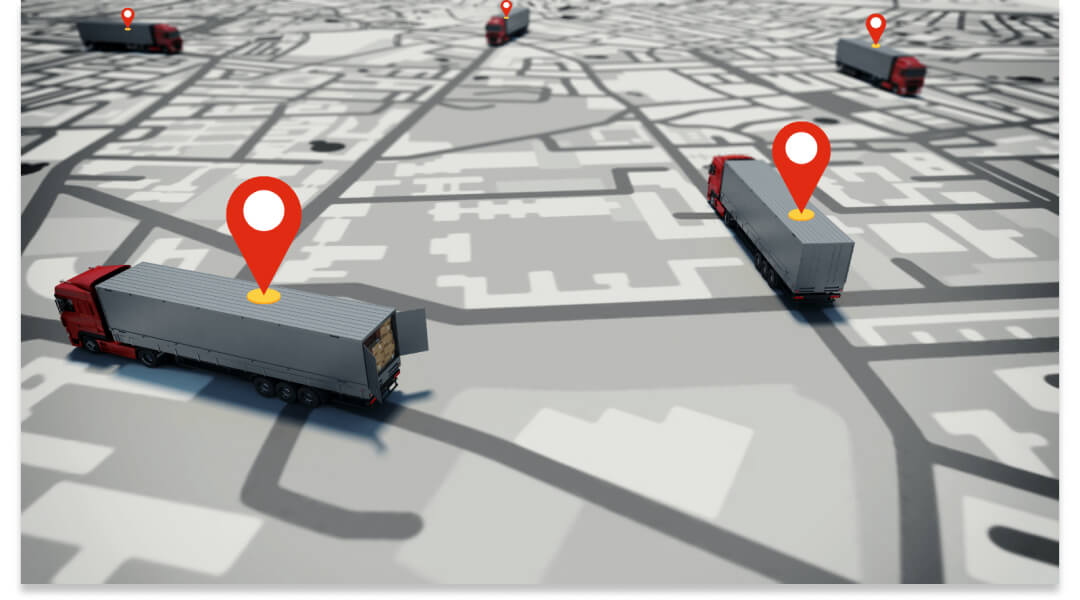
A truck tracking system is a technology framework that allows fleet managers to monitor truck location, vehicle activity, and operational data in real time. In fleet operations, tracking systems help improve dispatch visibility, safety monitoring, route planning, and overall operational control.
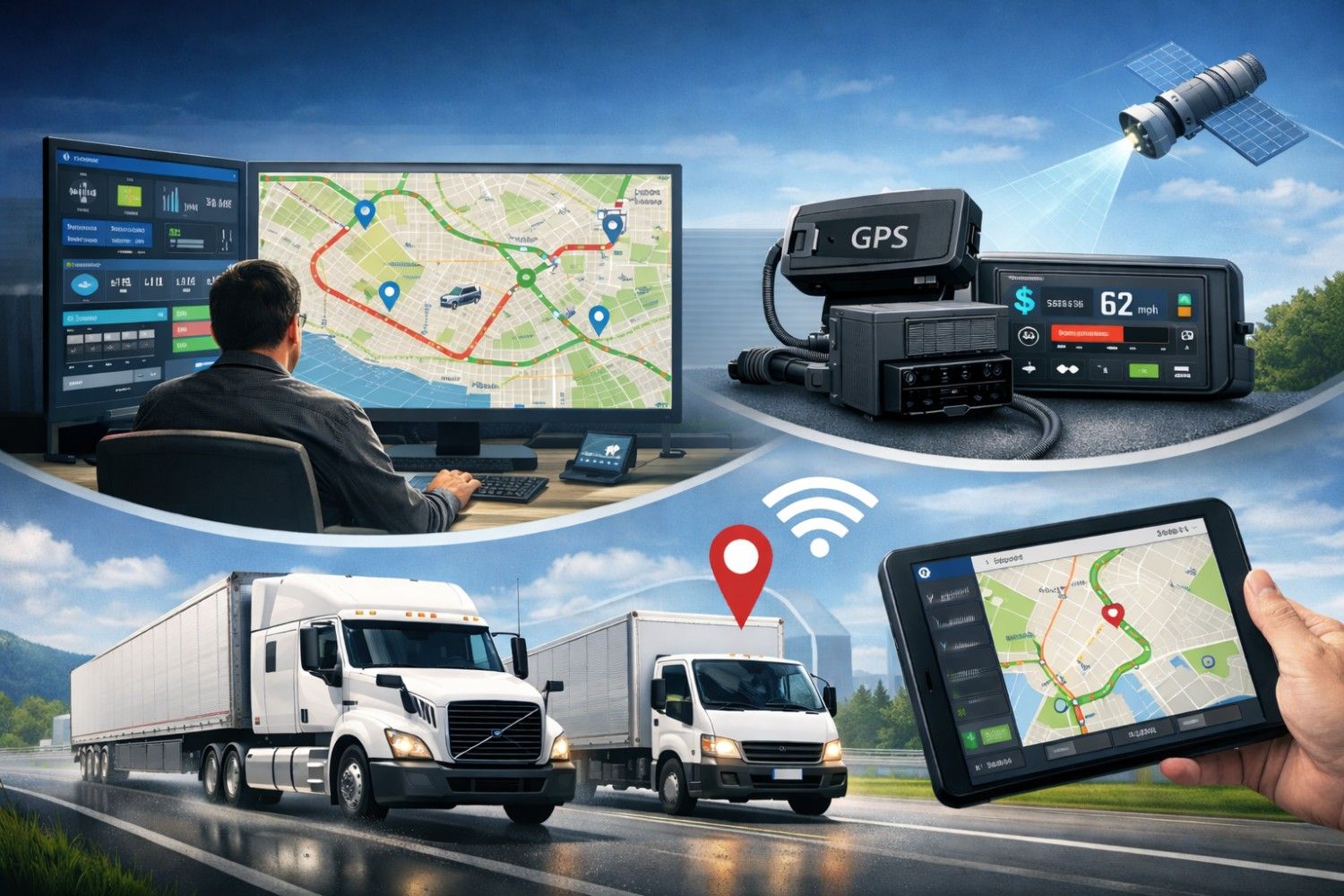
Truck Tracking System Components
| Component | Primary Function | Data Collected | Operational Use |
|---|---|---|---|
| GPS Tracking Device | Captures vehicle location | Latitude/Longitude | Real-time vehicle visibility |
| Telematics Gateway | Transmits vehicle data | Speed, engine status | Fleet monitoring |
| Fleet Management Platform | Aggregates fleet data | Location, routes, alerts | Operational oversight |
| Driver Mobile App | Connects drivers to system | Trip logs, inspections | Field reporting |
| Analytics Dashboard | Visualizes fleet activity | Performance metrics | Decision support |
Basic GPS Truck Tracking vs Integrated Fleet Tracking Platforms

Basic GPS Truck Tracking
- Provides vehicle location data
- Limited operational insights
- Minimal reporting capability
- Usually hardware-only solutions

Integrated Fleet Tracking Platforms
- Combine GPS, telematics, and fleet data
- Provide operational dashboards
- Support maintenance and compliance workflows
- Integrate with fleet management software
What a Truck Tracking System Is in Fleet Operations
A truck tracking system enables fleet managers to monitor truck movement, route progress, and vehicle status through GPS and telematics technologies. These systems form a foundational part of modern fleet operations because they provide continuous operational visibility.
Key operational capabilities typically include:
- Real-time truck location monitoring across the fleet
- Route visibility for dispatch and logistics planning
- Automated trip history and route logs
- Driver activity monitoring and safety insights
- Operational alerts for unusual activity or deviations
Additional operational outcomes often include:
- Faster dispatch decision-making
- Improved response to delays or route changes
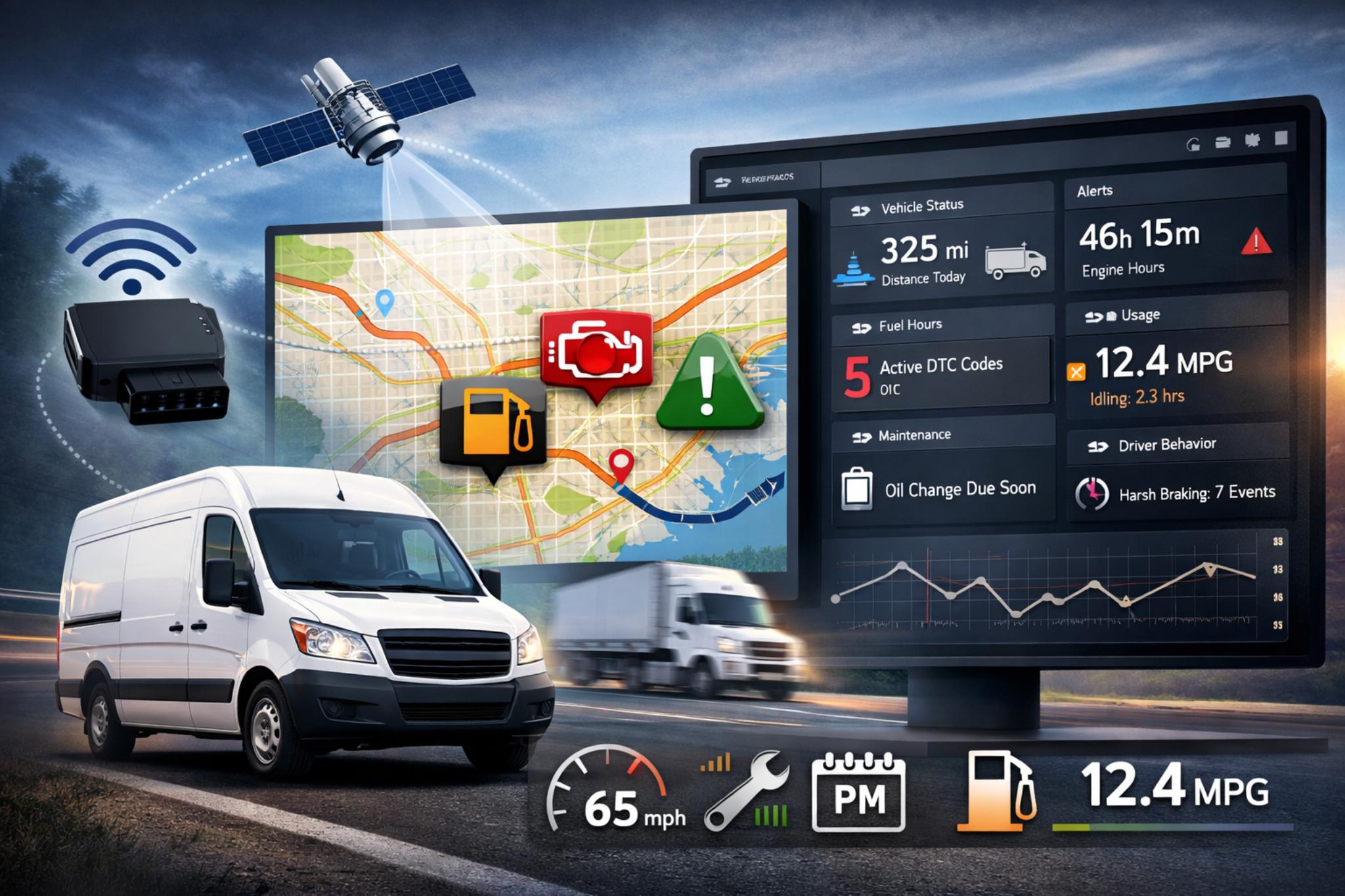
For a broader understanding of how tracking technologies integrate into fleet operations, fleets often reference the fleet telematics integration guide.
Core Components of a Truck Tracking System
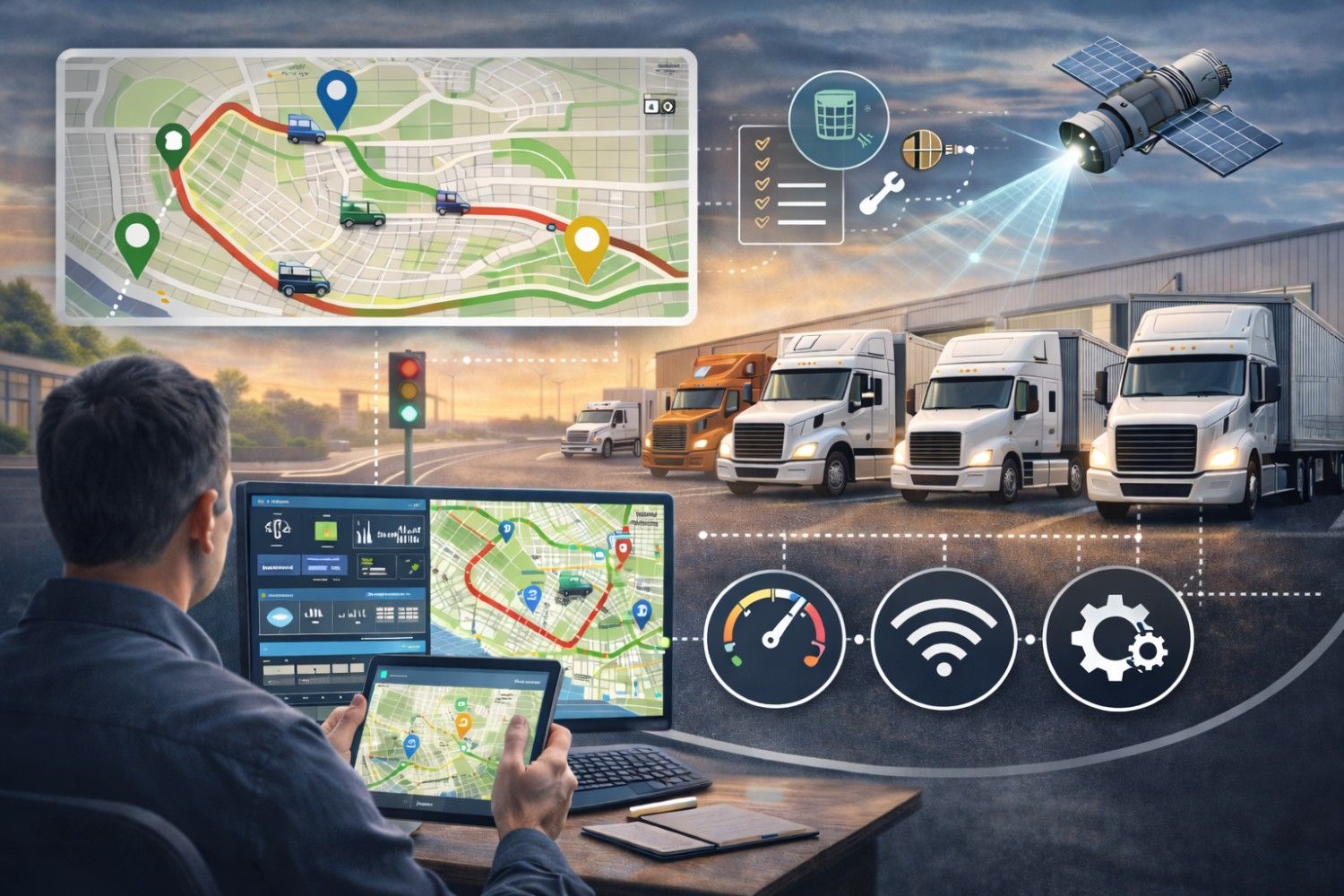
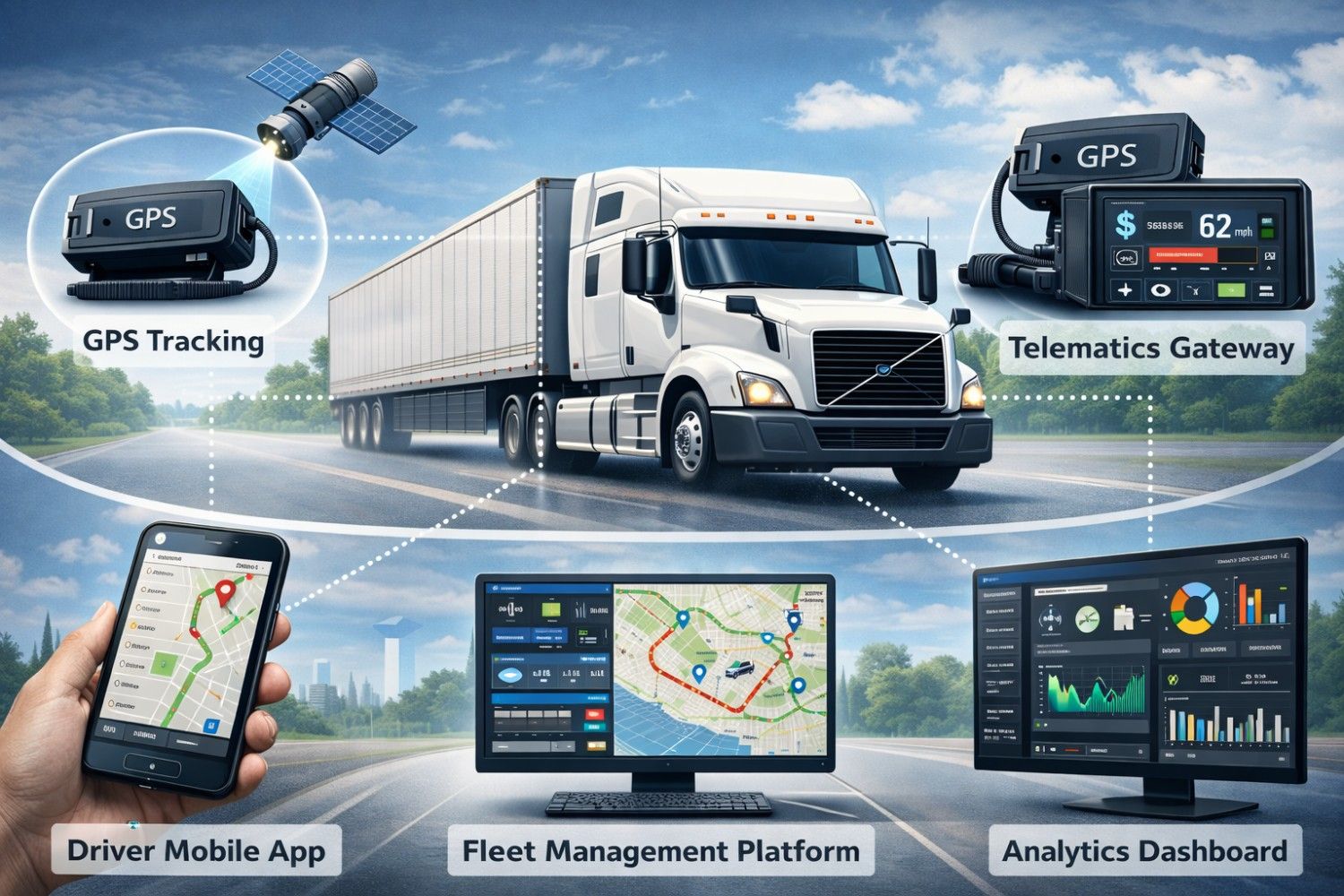
Truck tracking systems rely on several hardware and software elements that work together to capture and transmit vehicle data across the fleet.
Key components typically include:
- GPS tracking hardware installed in each truck
- Telematics modules that collect vehicle data
- Wireless communication networks for transmitting data
- Fleet management platforms that centralize fleet data
- Driver mobile applications for field reporting and workflows
When these systems operate together, fleet teams gain:
- Continuous visibility into fleet activity
- Centralized operational monitoring
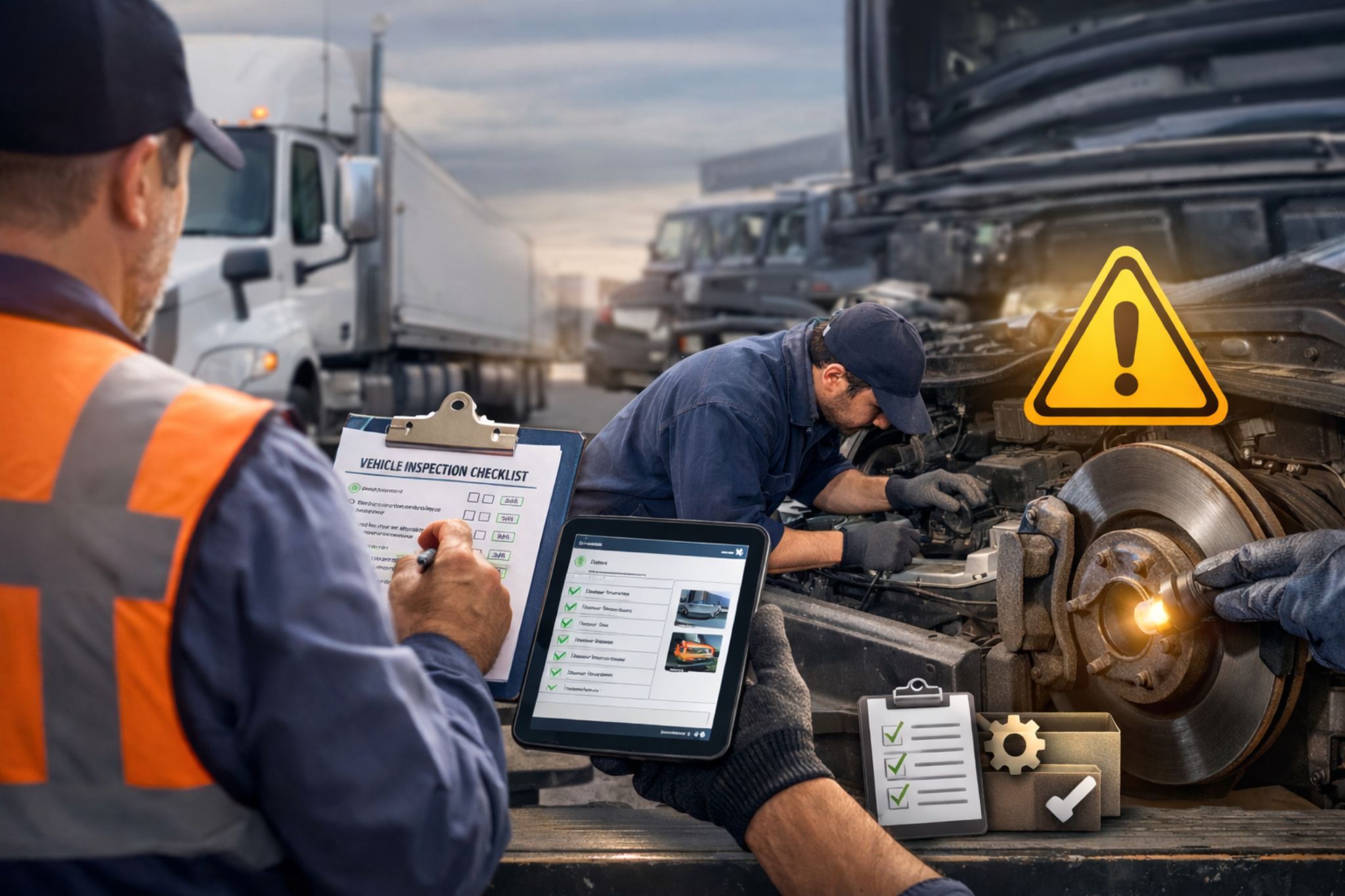
Modern tracking platforms often integrate with other systems such as maintenance tracking and inspection reporting. Many fleets also combine tracking with a vehicle inspection checklist to ensure vehicles remain compliant and safe during daily operations.
Operational Benefits of Truck Tracking for Fleet Management
Truck tracking systems support operational oversight across multiple areas of fleet management, from dispatch efficiency to safety monitoring.
Operational advantages typically include:
- Improved dispatch visibility and route coordination
- Faster response to unexpected route disruptions
- Enhanced driver safety monitoring through telematics data
- More accurate trip history and vehicle usage records
- Better fleet utilization insights across vehicles
Tracking data also supports broader fleet analysis:
- Identification of inefficient routes
- Monitoring of idle time and fuel usage
- Better operational forecasting using historical fleet data
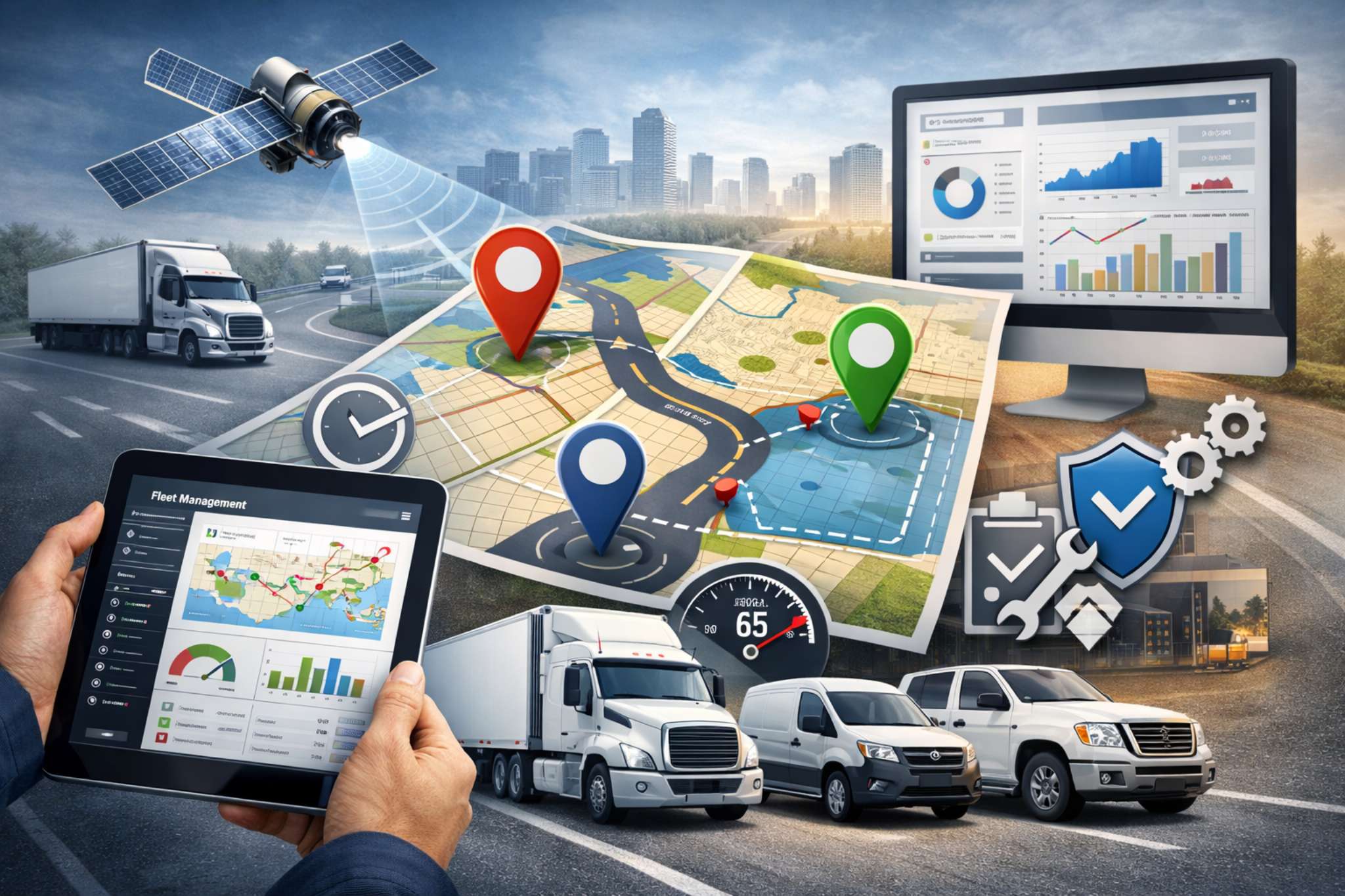
For organizations building more advanced fleet operations, truck tracking systems often function alongside broader GPS tracking for fleet management strategies.

Implementing a Truck Tracking System Across a Fleet
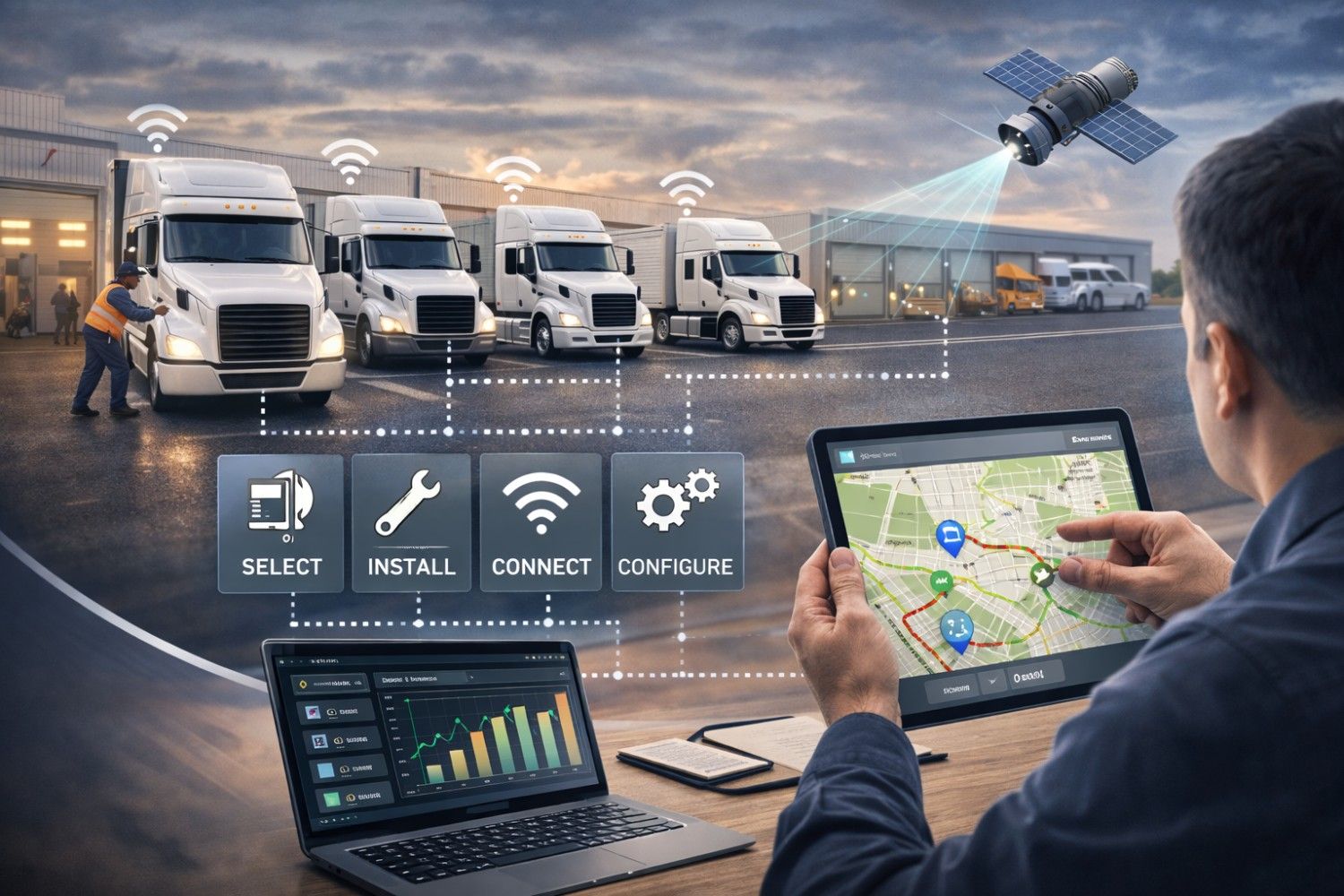
Implementing truck tracking requires planning across hardware installation, software configuration, and operational workflows.
Typical implementation steps include:
- Selecting GPS hardware compatible with fleet vehicles
- Installing tracking devices across trucks and assets
- Connecting devices to a centralized fleet platform
- Configuring alerts, reporting, and dashboards
- Training dispatchers and operations staff on system use
Once deployed across the fleet, tracking systems allow operations teams to:
- Monitor vehicle location continuously
- Maintain accurate route and trip data
- Improve dispatch coordination across regions
Proper system setup ensures the tracking platform supports both day-to-day operations and long-term fleet analytics.
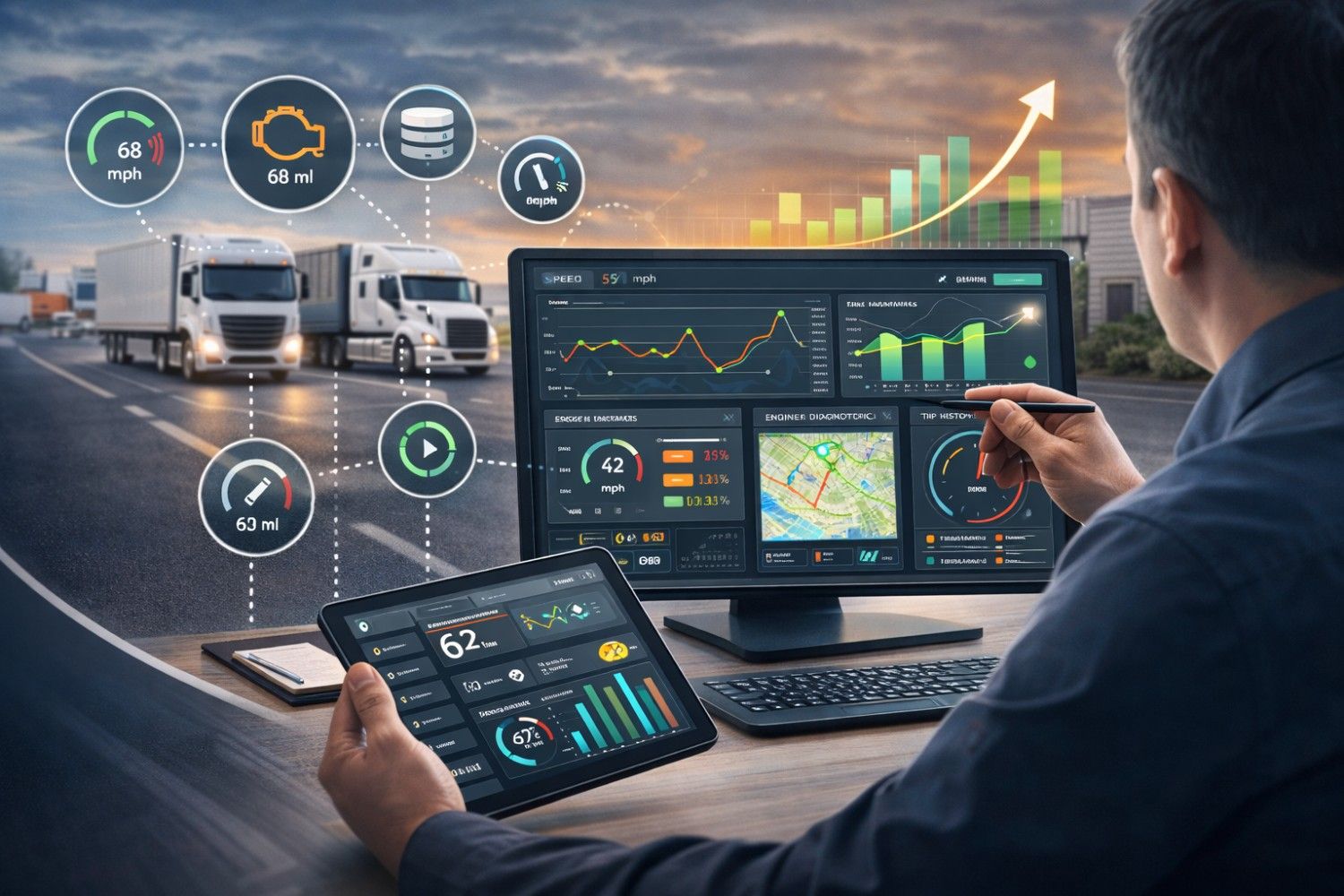
Using Truck Tracking Data for Operational Decision-Making
Truck tracking systems generate large amounts of operational data that fleet teams can analyze to improve efficiency, safety, and cost control.
Key operational data points typically include:
- Real-time vehicle location and route progress
- Historical trip and route performance
- Driver behavior indicators such as speed or idling
- Engine diagnostics and operational alerts
- Fleet utilization and vehicle activity trends
When analyzed properly, tracking data allows fleets to:
- Identify operational inefficiencies
- Improve route planning strategies
- Monitor safety and driver behavior trends
Fleet teams often combine tracking data with fleet dashboards and reporting tools to transform raw data into actionable insights.
Final Takeaways
Truck tracking systems provide real-time operational visibility that helps fleets manage vehicles, drivers, and routes more effectively.
Key operational points include:
- Truck tracking systems provide continuous fleet location visibility.
- Tracking data supports dispatch, safety monitoring, and route optimization.
- Hardware, telematics, and software platforms work together to deliver fleet data.
- Fleet managers can use tracking insights to improve operational efficiency.
- Tracking systems often integrate with broader fleet management tools.
AUTOsist Fleet Management Resources
Fleet Telematics Integration Guide
GPS Tracking for Fleet Management
Vehicle Inspection Checklist
Truck Tracking System