Small Business Fleet Tracking: Operational Guidance for Monitoring Vehicles, Drivers, and Assets
Small business fleet tracking refers to the use of GPS and fleet management technology to monitor vehicle location, driver activity, and operational performance. For small fleets, tracking systems provide visibility into daily vehicle usage, enabling better routing decisions, improved accountability, and more structured maintenance oversight.
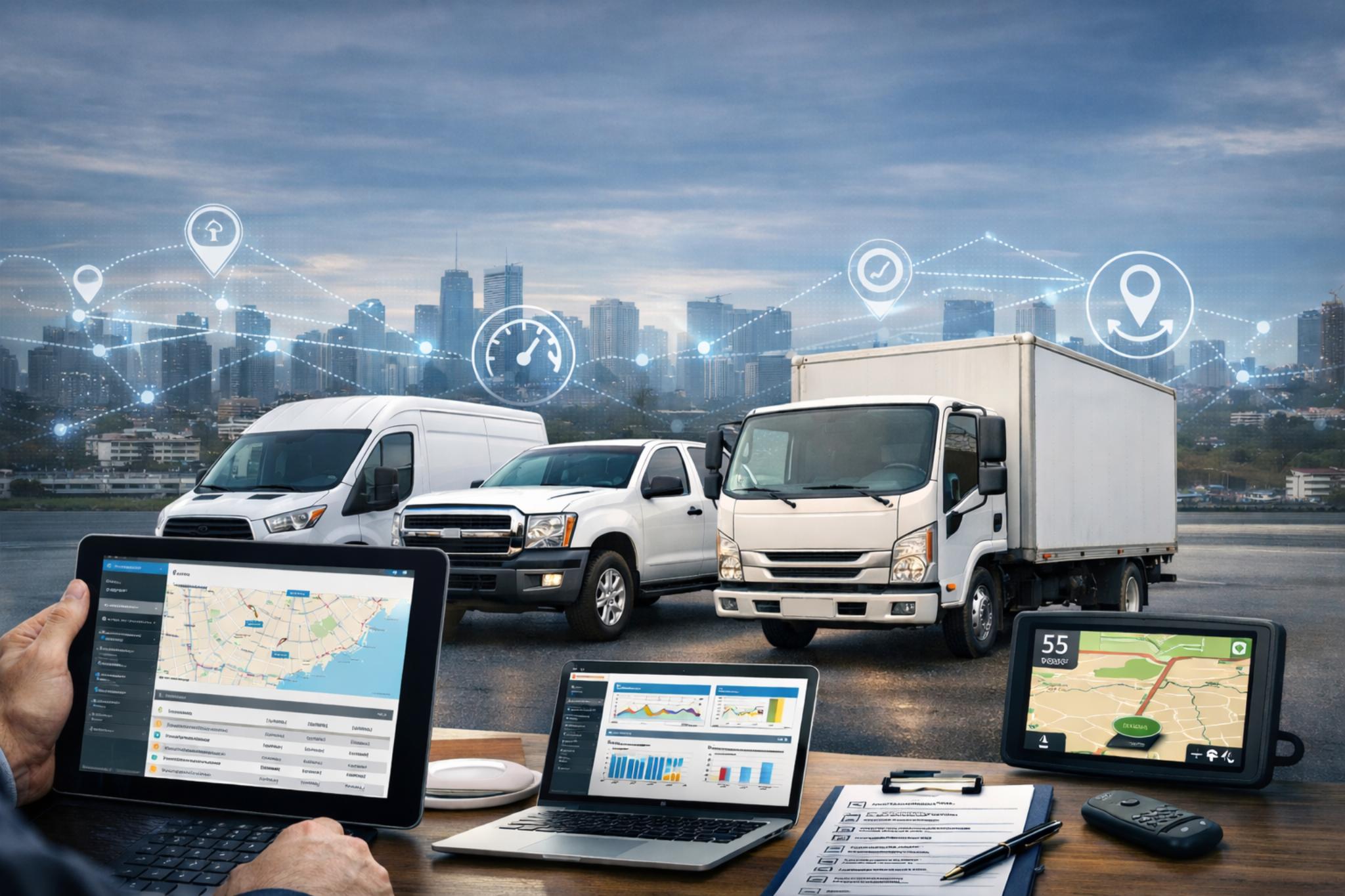
Operational Problems Solved by Fleet Tracking
| Fleet Challenge | Tracking Capability | Operational Impact | Example Outcome |
|---|---|---|---|
| Limited vehicle visibility | Real-time GPS location | Better dispatch control | Faster job assignment |
| Inefficient route planning | Route and trip tracking | Reduced fuel consumption | Shorter travel times |
| Unclear driver activity | Driver behavior monitoring | Higher accountability | Reduced idling events |
| Maintenance delays | Mileage-based tracking | Preventive maintenance planning | Fewer unexpected repairs |
| Poor asset utilization | Vehicle usage reports | Improved fleet allocation | Higher vehicle productivity |
Basic GPS Tracking vs Integrated Fleet Management Platforms
Basic GPS Tracking Tools
Data Scope
- Primarily location tracking
- Limited vehicle usage history
- Minimal operational analytics
Maintenance Integration
- No maintenance management features
- Service schedules tracked outside the system
- No inspection documentation
Reporting Capabilities
- Basic trip history
- Simple location logs
- Limited operational insight
Operational Oversight
- Suitable for basic location awareness
- Limited support for fleet management workflows
- Requires additional tools for full operations management
Integrated Fleet Management Platforms
Data Scope
- Combines vehicle tracking with operational fleet data
- Tracks mileage, inspections, maintenance, and usage
- Supports centralized fleet visibility
Maintenance Integration
- Preventive maintenance scheduling
- Vehicle service history tracking
- Work order management capabilities
Reporting Capabilities
- Operational performance reports
- Maintenance and inspection reporting
- Vehicle utilization analytics
Operational Oversight
- Supports daily fleet management decisions
- Enables structured fleet maintenance programs
- Centralizes operational data in a single platform
What Small Business Fleet Tracking Means in Operational Terms
Fleet tracking allows small businesses to monitor vehicle movement, operational status, and usage patterns in real time. Instead of relying on manual updates or driver communication, fleet managers gain automated visibility into how vehicles are being used across daily operations.
Common operational capabilities include:
- Real-time vehicle location monitoring
- Trip history and route tracking
- Driver behavior data such as idling and harsh driving
- Mileage tracking for maintenance planning
- Vehicle utilization monitoring
In practice, tracking systems provide the operational foundation needed to improve scheduling, dispatch coordination, and resource allocation across small fleets.


Core Components of a Small Business Fleet Tracking System
A typical small business fleet tracking setup combines hardware, software, and data management tools that work together to monitor vehicles and assets.
Key components generally include:
- GPS tracking devices installed in vehicles
- Cloud-based fleet tracking platforms
- Driver mobile applications
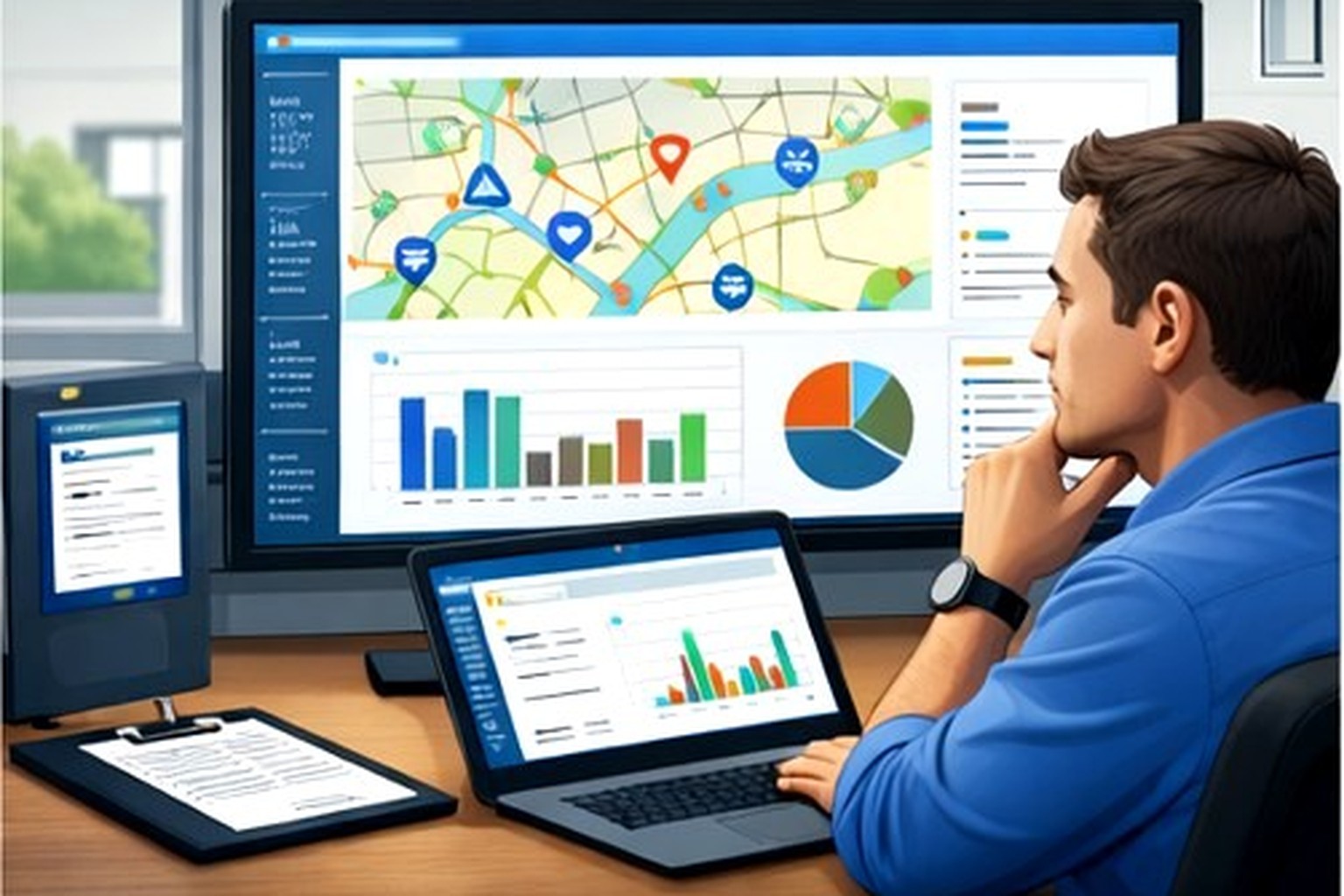
- Fleet data reporting dashboards
- Maintenance and inspection management tools
These components enable fleet managers to collect operational data and translate it into actionable insights that improve efficiency and oversight.
Operational Benefits of Fleet Tracking for Small Business Fleets
For small fleets operating with limited resources, tracking systems help reduce operational uncertainty and improve day-to-day fleet coordination.
Common benefits include:
- Improved vehicle dispatch and route planning
- Reduced unauthorized vehicle usage
- Better monitoring of driver behavior
- Faster response to operational changes
- More consistent fleet performance tracking
Additional operational improvements may include:
- Lower fuel consumption through optimized routing
- Reduced vehicle downtime
- Increased driver accountability
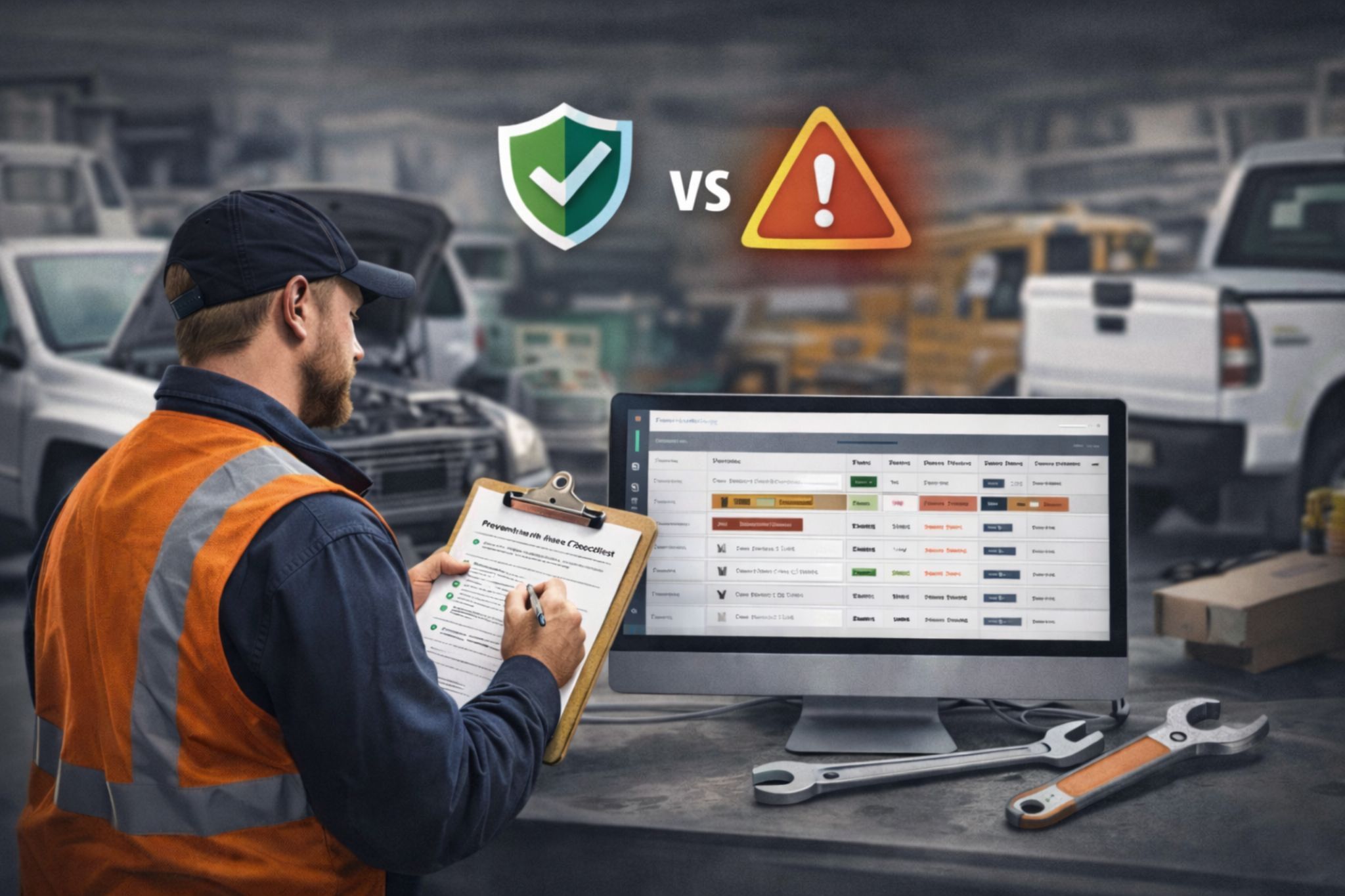
Fleet managers often pair tracking systems with structured maintenance processes described in the fleet preventive maintenance guide, ensuring vehicle data supports long-term fleet reliability.

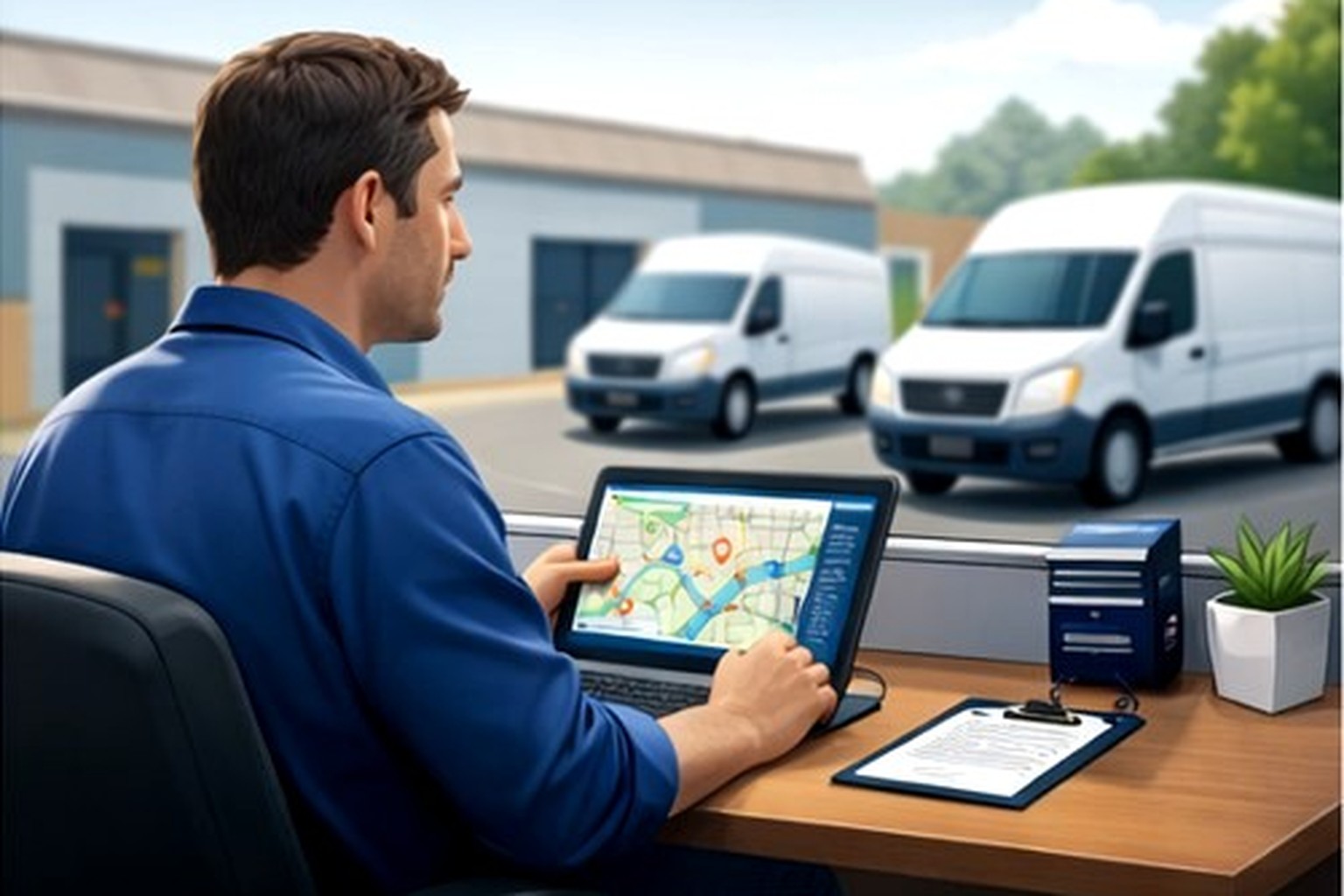
Implementing Fleet Tracking in a Small Business Environment
Implementing fleet tracking does not require large-scale infrastructure. Small businesses typically begin by deploying tracking devices on key vehicles and gradually expanding coverage across the fleet.
Typical implementation steps include:
- Identify vehicles and assets that require tracking
- Install GPS tracking devices
- Configure tracking software and reporting dashboards
- Define operational monitoring policies
- Train staff on system usage
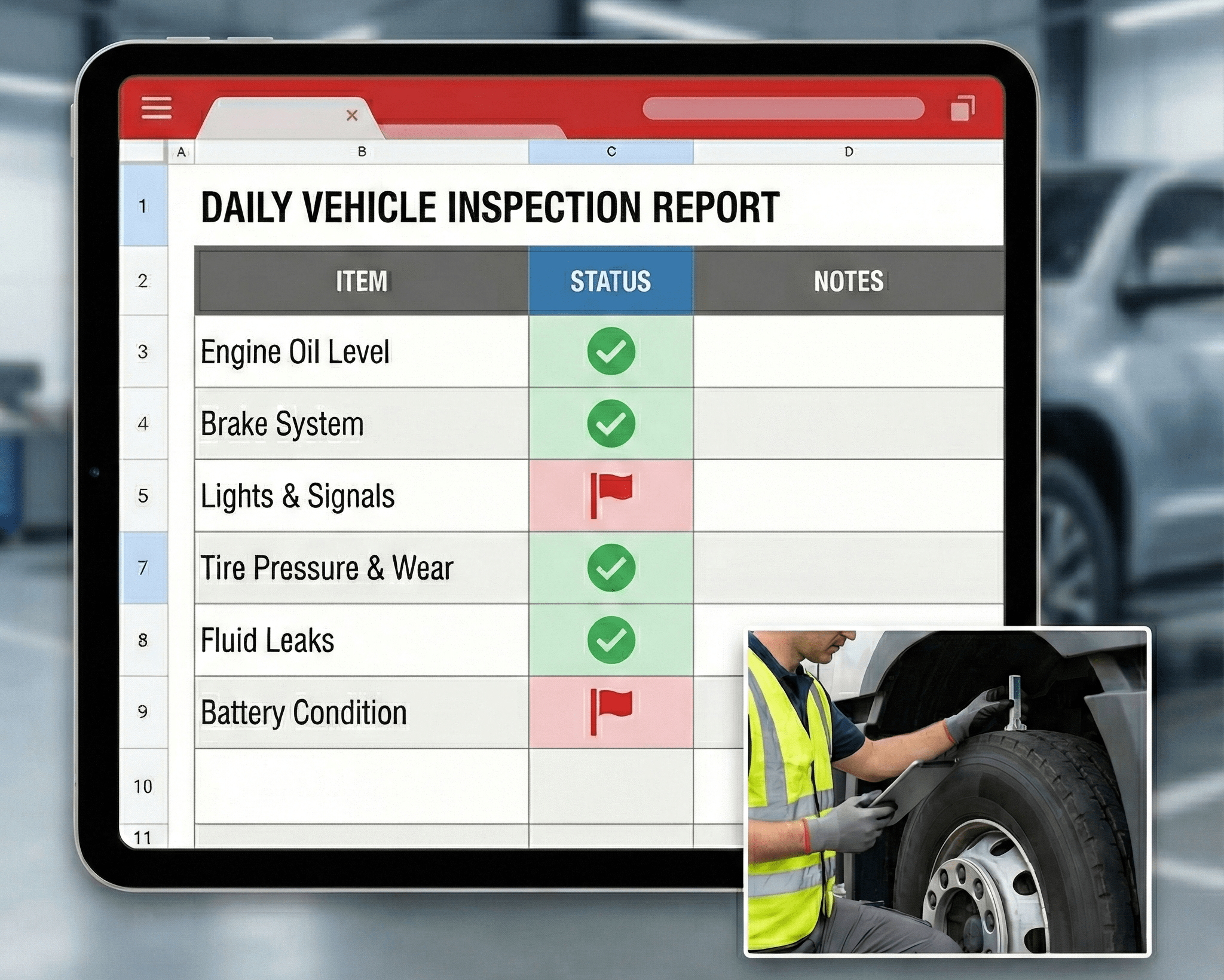
During implementation, many organizations also standardize vehicle inspection workflows using tools such as a vehicle inspection checklist template, ensuring operational data and compliance documentation are properly recorded.
Data and Reporting Capabilities That Improve Fleet Visibility
Fleet tracking systems generate large volumes of operational data. When structured properly, this information allows small fleet operators to make informed decisions about vehicle usage, maintenance planning, and operational performance.
Common reporting capabilities include:
- Vehicle trip and route history
- Mileage accumulation reports
- Driver behavior metrics
- Vehicle utilization summaries
- Maintenance trigger alerts based on mileage
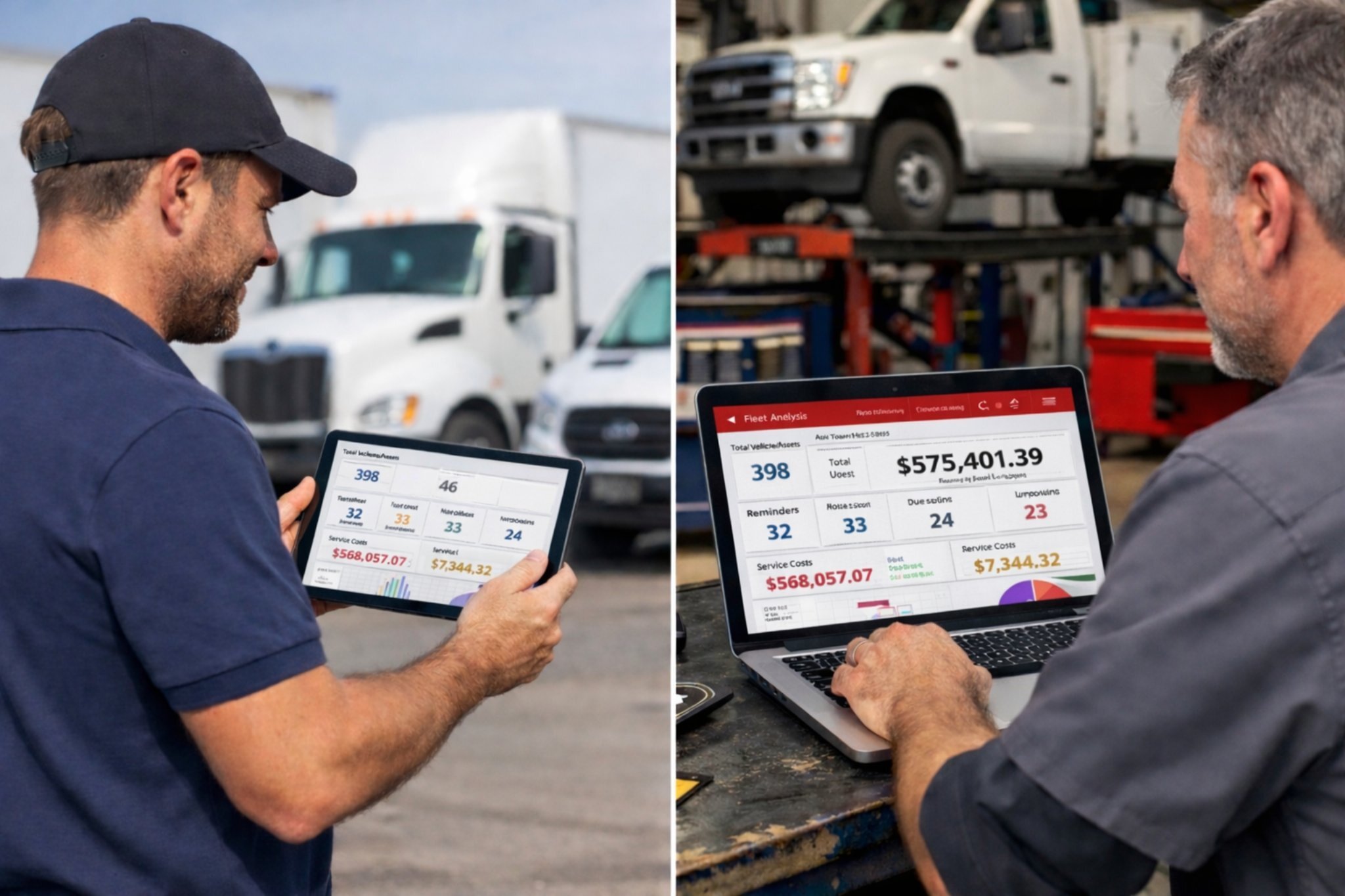
Combining tracking data with resources such as the fleet maintenance tracking guide allows organizations to build more structured fleet maintenance programs and reduce operational downtime.
Tracking data also becomes more valuable when integrated with fleet management systems such as fleet maintenance management software, which centralizes vehicle records, inspections, service history, and operational analytics.
Final Takeaways
Small business fleet tracking provides operational visibility that helps fleet managers coordinate vehicles, drivers, and maintenance activities more effectively.
Key points to remember:
- Fleet tracking improves visibility into vehicle location and usage.
- Tracking data supports better routing, dispatch, and accountability.
- Maintenance planning improves when mileage and vehicle usage are monitored.
- Operational reporting helps identify inefficiencies across the fleet.
- Tracking systems are most effective when integrated with broader fleet management tools.
AUTOsist Fleet Management Resources
Fleet Preventive Maintenance Guide
Fleet Maintenance Tracking Guide
Vehicle Inspection Checklist Template

Fleet Maintenance Software