Real-Time Fleet Tracking and Monitoring System
A real-time fleet tracking and monitoring system provides continuous visibility into vehicle location, status, and activity, enabling fleet managers to make operational decisions based on live data rather than delayed reports.
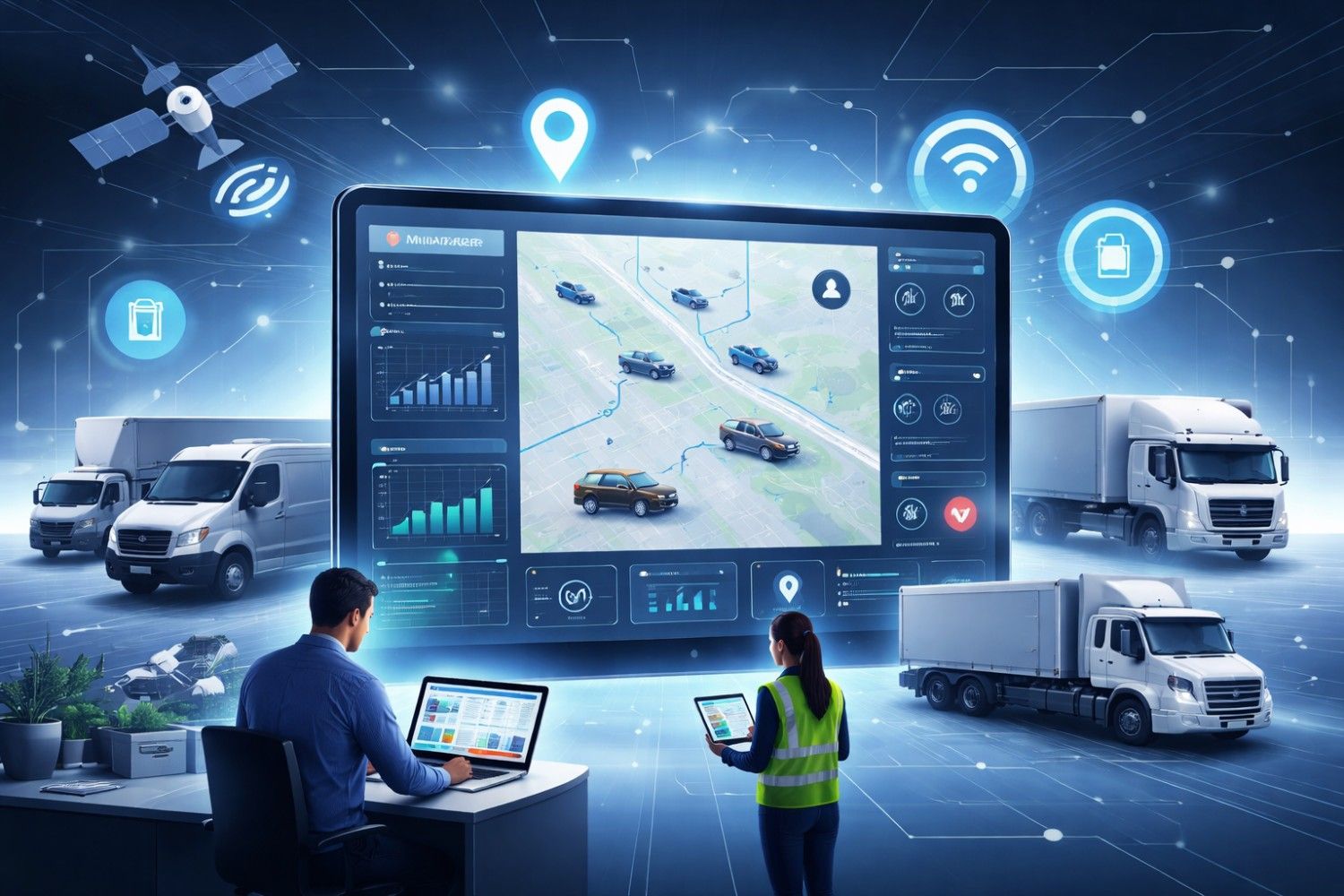
Common Fleet Tracking Features and Their Use
| Feature | Description | Trigger Type | Operational Use |
|---|---|---|---|
| Geofencing | Virtual boundaries for locations | Entry/exit trigger | Monitor site visits |
| Live Tracking | Continuous vehicle location updates | Time-based | Dispatch visibility |
| Alerts | Notifications for events or issues | Event-based | Exception management |
| Trip History | Record of routes and stops | Post-trip | Performance analysis |
| Idle Monitoring | Tracks engine idle duration | Time threshold | Fuel cost control |
Real-Time Tracking vs Periodic Tracking
Real-Time Tracking
Data Availability
- Continuous updates on vehicle location
- Immediate visibility into driver activity
- Live alerts for events and deviations
Operational Impact
- Enables proactive decision-making
- Supports real-time dispatch adjustments
- Reduces delays and response times

Periodic Tracking
Data Availability
- Updates at fixed intervals
- Limited visibility between updates
- Delayed awareness of issues
Operational Impact
- Reactive decision-making
- Less effective for dynamic routing
- Slower response to incidents
What a Real-Time Fleet Tracking and Monitoring System Includes
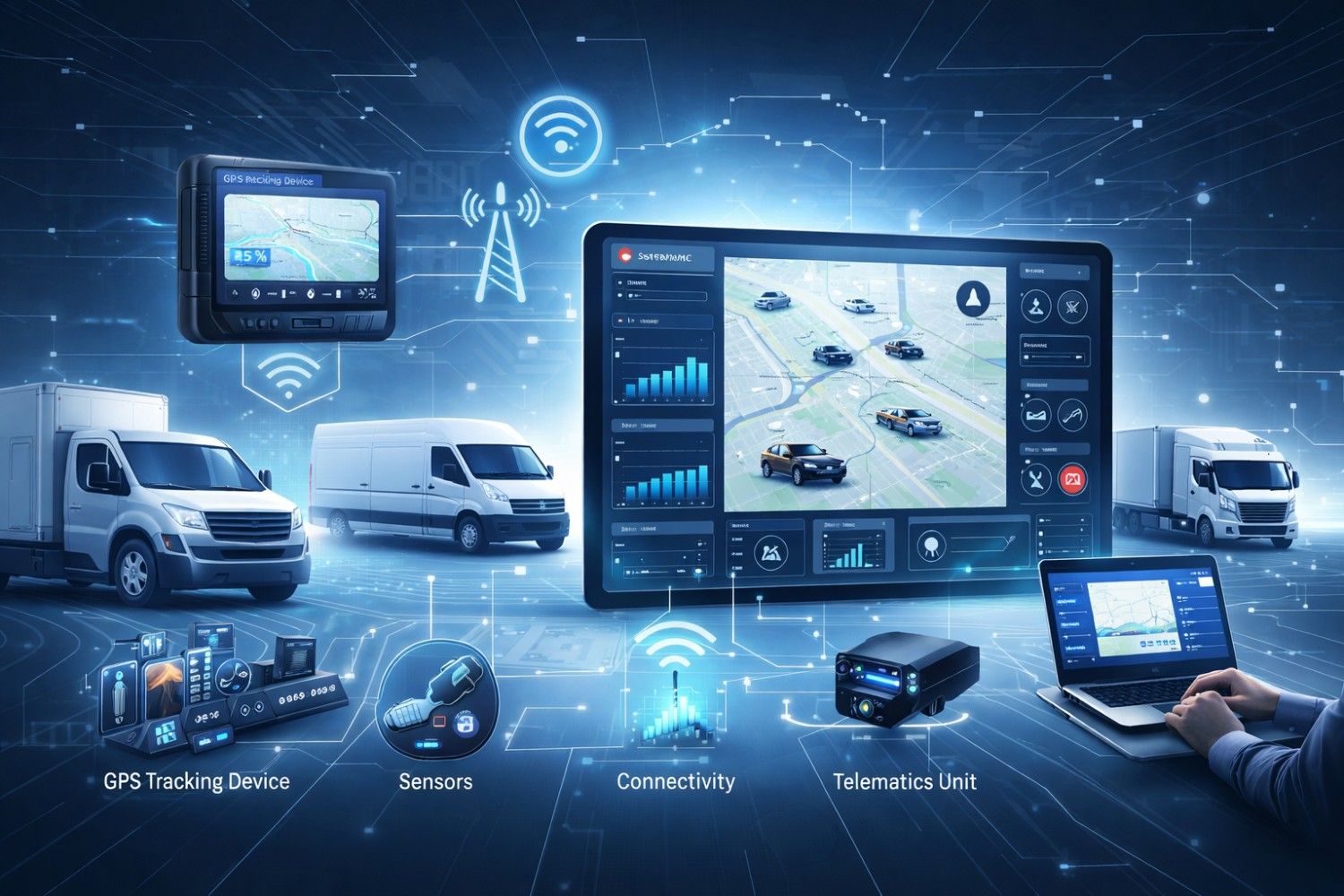
A real-time tracking system combines hardware, connectivity, and software to capture and transmit vehicle and driver data into a centralized platform.
- GPS tracking devices installed in vehicles
- Telematics units capturing engine and diagnostic data
- Sensors monitoring fuel, temperature, or usage
- Wireless connectivity for continuous data transmission
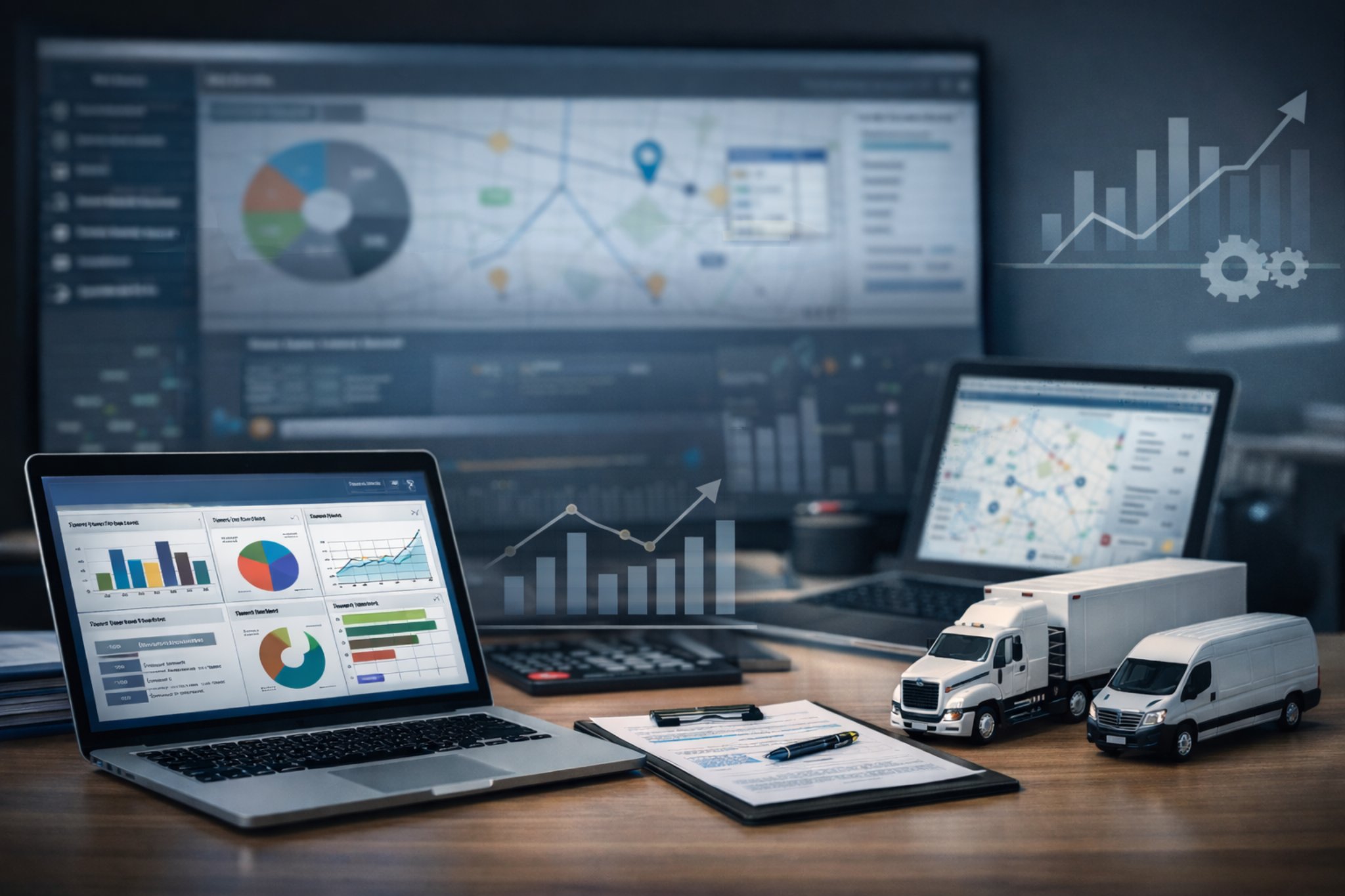
- Centralized software dashboard for data visualization
Outcome
- Unified visibility across all fleet assets
- Standardized data collection across operations
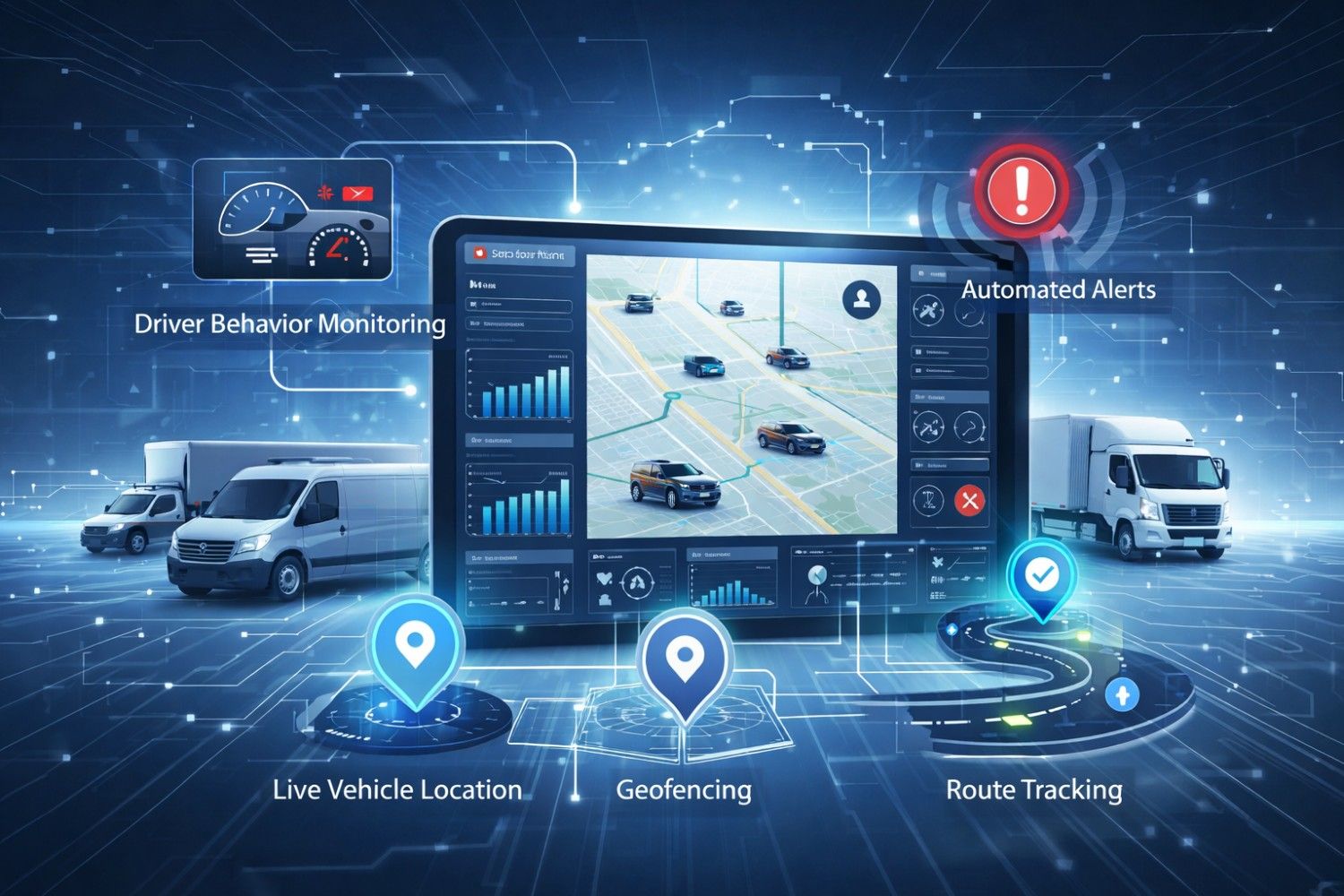
Key Operational Capabilities of Real-Time Fleet Monitoring
Real-time monitoring enables fleets to track operations continuously and respond to issues as they occur rather than after the fact.
- Live vehicle location tracking for dispatch and coordination
- Driver behaviour monitoring (speeding, harsh braking, idling)
- Automated alerts for exceptions and rule violations
- Geofencing for site entry, exit, and dwell time tracking
- Route tracking to identify inefficiencies or deviations
Outcome
- Improved control over daily operations
- Faster identification of risks and inefficiencies
Data Flow and System Architecture in Fleet Tracking
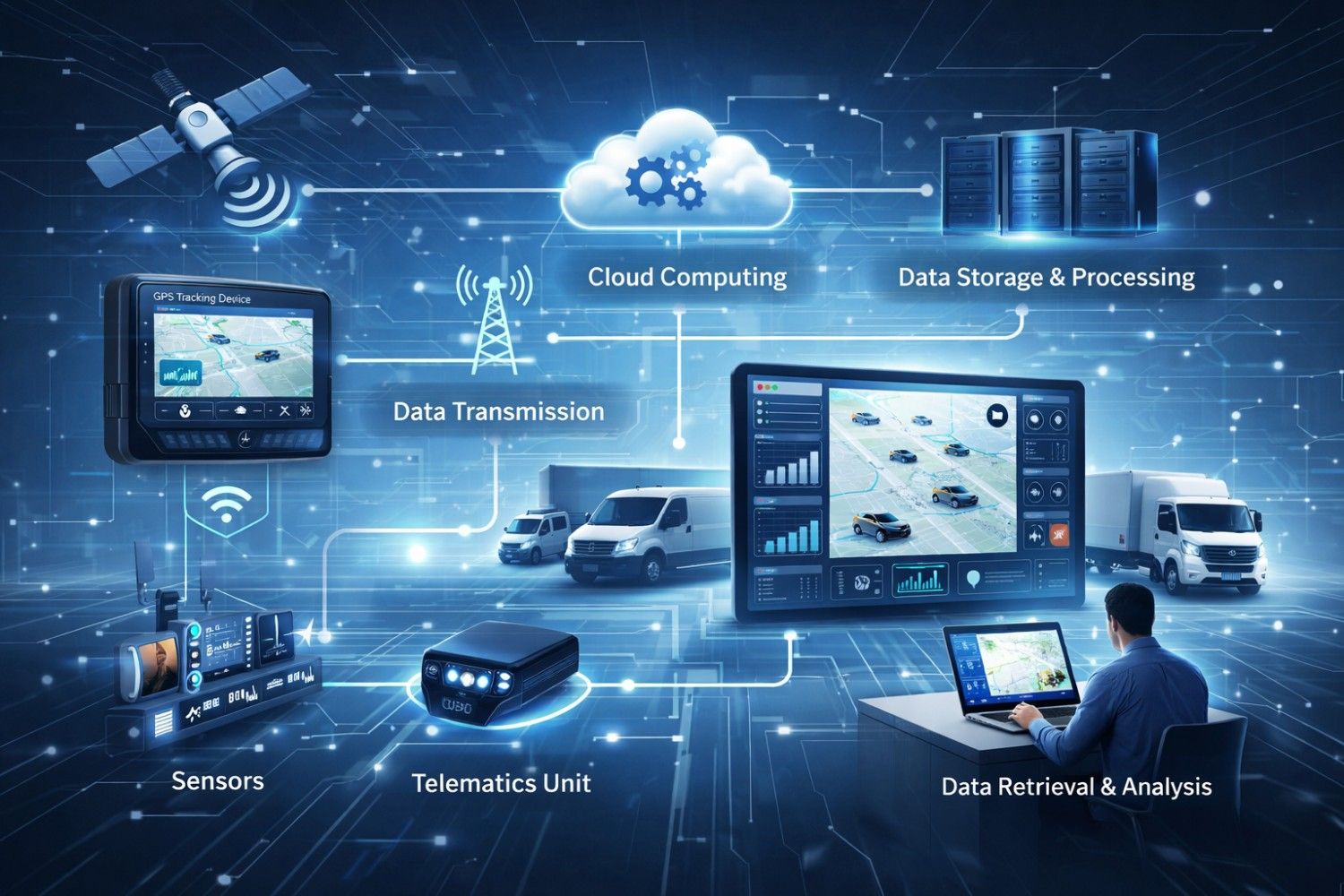
Fleet tracking systems rely on structured data flow from vehicles to centralized platforms where it is processed and displayed.
- Data collected from GPS and onboard sensors
- Transmission via cellular or satellite networks
- Cloud-based processing and storage systems
- Integration with fleet management platforms
- Visualization through dashboards and reports
Outcome
- Consistent, real-time data availability
- Scalable system architecture for growing fleets
Operational Benefits of Real-Time Fleet Monitoring
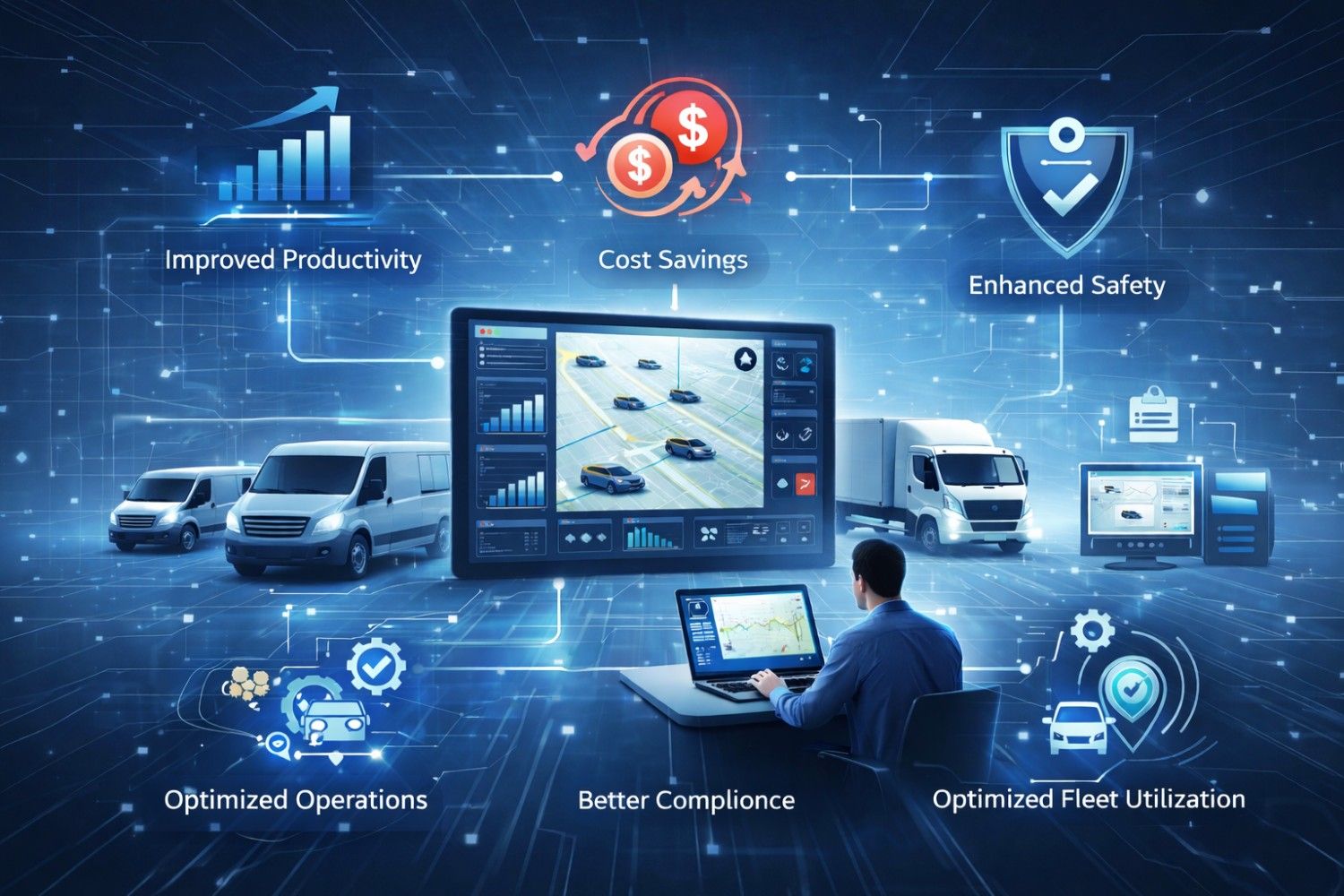
Real-time tracking provides measurable operational improvements by reducing inefficiencies and improving oversight.
- Reduced idle time and fuel consumption
- Improved route planning and dispatch efficiency
- Enhanced safety through driver behaviour visibility
- Faster response to breakdowns or delays
- Increased asset utilization and productivity
Outcome
- Lower operating costs
- Higher fleet reliability and uptime
Implementation Considerations for Fleet Tracking Systems
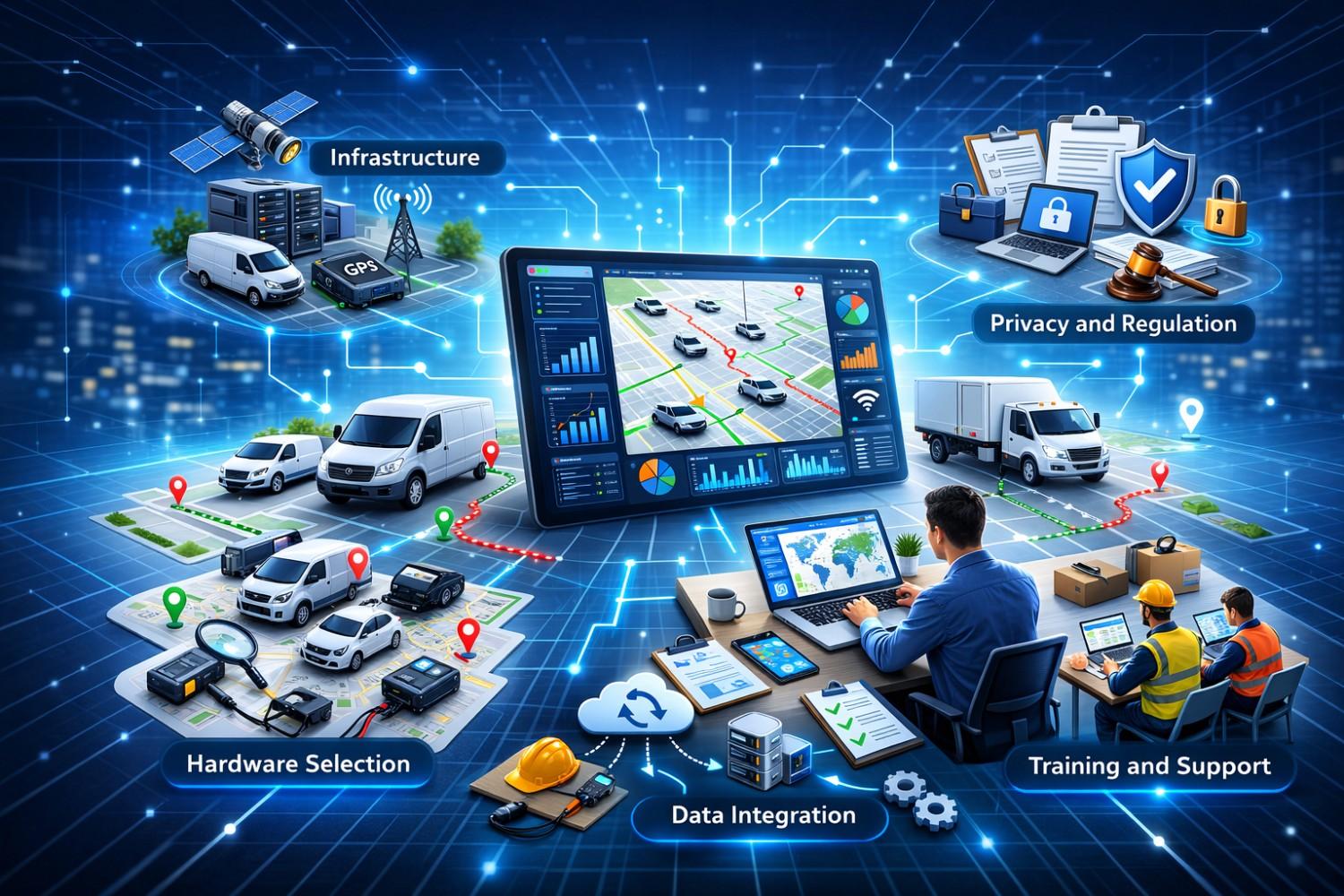
Successful deployment requires alignment between hardware, software, and operational processes.
- Selection of compatible GPS and telematics hardware
- Ensuring reliable network connectivity across regions
- Data accuracy validation and calibration
- Training drivers and operations teams on system use
- Establishing policies for monitoring and alerts
Outcome
- Smooth system adoption across teams
- Reliable and actionable tracking data
Final Takeaways
Real-time fleet tracking systems provide the operational visibility required to manage modern fleets efficiently and respond to issues as they occur.
- Real-time tracking enables proactive, data-driven decision-making.
- Continuous monitoring improves safety, efficiency, and cost control.
- System effectiveness depends on data accuracy and integration.
- Implementation requires both technical setup and operational alignment.
- Scalable systems support long-term fleet growth and optimization.
AUTOsist Fleet Management Resources
Real-Time Fleet Tracking
Dashboards and Reports
Inspections

GPS Fleet Tracking and Telematics