Predictive Maintenance Software for Fleets
Predictive maintenance software for fleets uses operational data, vehicle signals, and maintenance history to anticipate failures before they occur. It helps fleet managers reduce unplanned downtime, extend asset life, and make maintenance decisions based on measurable conditions rather than fixed intervals alone.

Predictive Maintenance Maturity Levels
| Level | Maintenance Model | Trigger Type | Operational Characteristic |
|---|---|---|---|
| Level 1 | Reactive | Failure event | Repairs occur after breakdown |
| Level 2 | Time/Mileage-Based PM | Calendar or miles | Scheduled service at fixed intervals |
| Level 3 | Condition-Based | Threshold alerts | Service triggered by asset condition |
| Level 4 | Predictive | Data pattern analysis | Failure risk identified before threshold breach |
Predictive Maintenance vs Preventive Maintenance

Preventive Maintenance
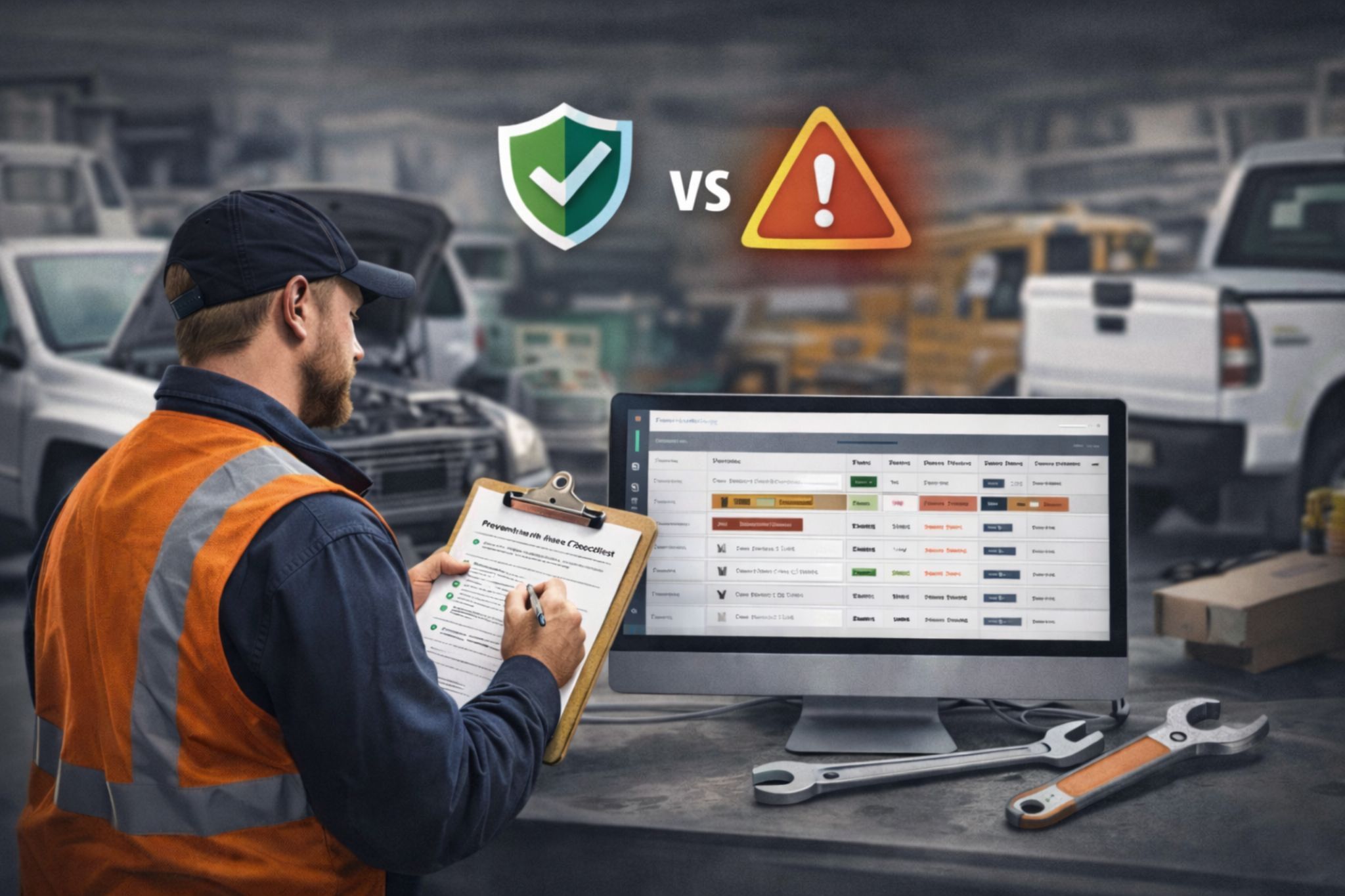
- Triggered by fixed time or mileage intervals
- Based on OEM guidance and historical averages
- Lower data dependency
- May over-service or under-service assets

Predictive Maintenance
- Triggered by real-time or trend-based signals
- Requires telematics, inspections, and service history data
- Adjusts based on asset condition and duty cycle
- Reduces unexpected failure risk when data quality is strong
What Predictive Maintenance Software Does in Fleet Operations
Predictive maintenance software translates asset data into actionable maintenance decisions. Instead of relying solely on static schedules, it evaluates patterns and threshold deviations to prioritize work.
- Aggregates telematics, inspection, and service data into one operational view
- Identifies abnormal trends in engine hours, fault codes, fuel usage, or performance
- Generates alerts before critical failures occur
- Prioritizes work orders based on severity and asset risk
- Supports condition-based adjustments to existing preventive maintenance schedules
Outcome:
- Fewer emergency repairs
- Better shop capacity planning
- Reduced downtime variance

Data Inputs and Signals That Drive Predictive Maintenance
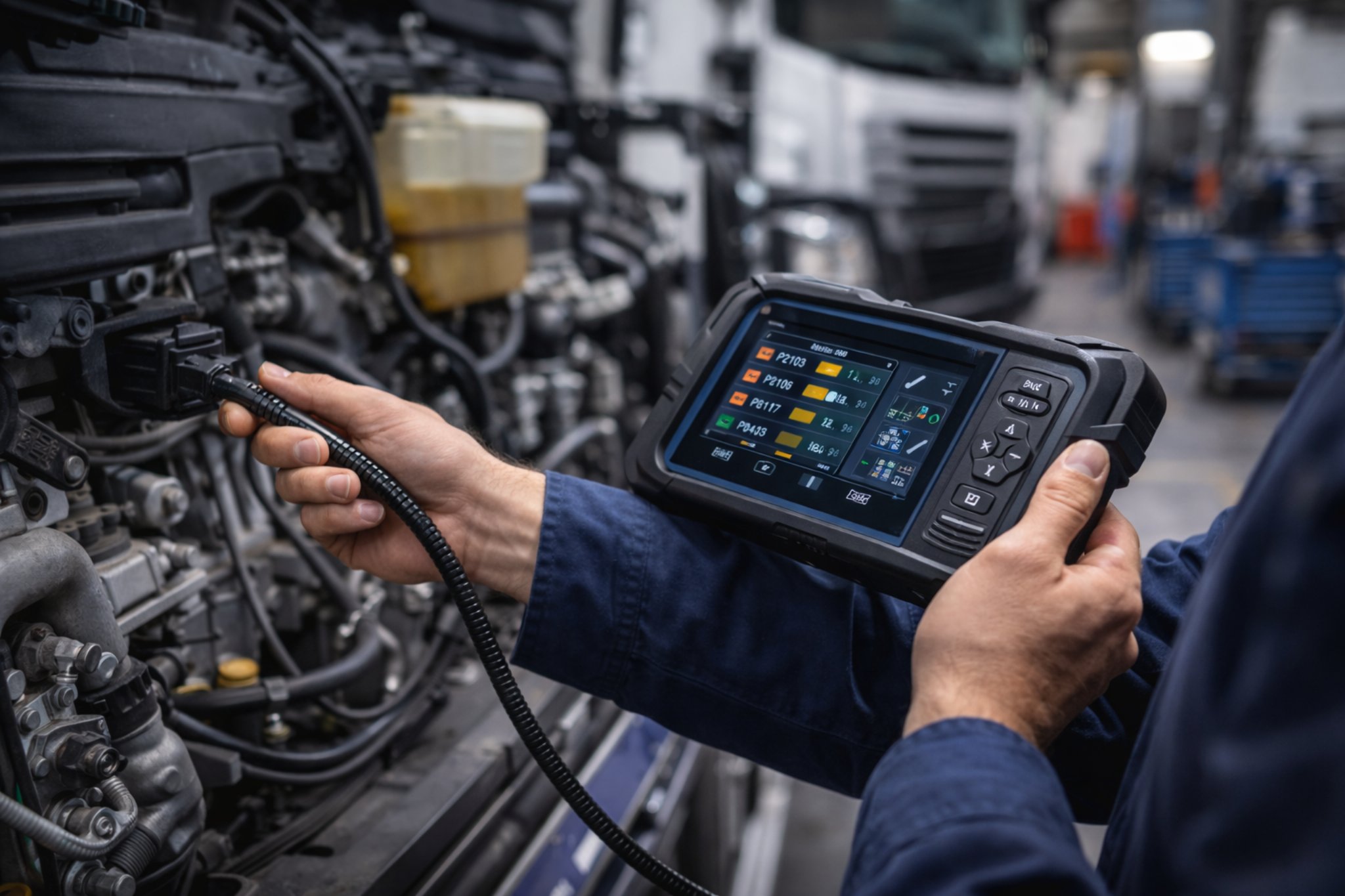
Predictive systems rely on multiple data streams. Fleets without reliable inputs will struggle to produce accurate predictive signals.
- OBD and telematics fault codes and engine performance data
- Mileage, engine hours, and utilization metrics
- Digital inspections and DVIR findings
- Historical service records and recurring repair patterns
- Parts consumption trends and warranty data
Accurate inspection workflows and structured service records are foundational. Guidance in the fleet telematics integration guide supports aligning data feeds with maintenance logic, while a structured preventive maintenance guide for fleet operations helps define baseline service intervals before predictive adjustments are layered in.
Outcome:
- Stronger signal reliability
- Fewer false alerts
- More confident maintenance forecasting
Building Predictive Maintenance Workflows and Thresholds
Predictive maintenance is not just analytics; it requires operational workflow design. Alerts must route to the correct role and convert into controlled action.
- Define measurable thresholds for DTC frequency, temperature variance, or usage spikes
- Assign severity levels to different alert categories
- Automate work order creation for high-risk events
- Establish escalation rules for safety-critical systems
- Document response timelines for audit and compliance purposes
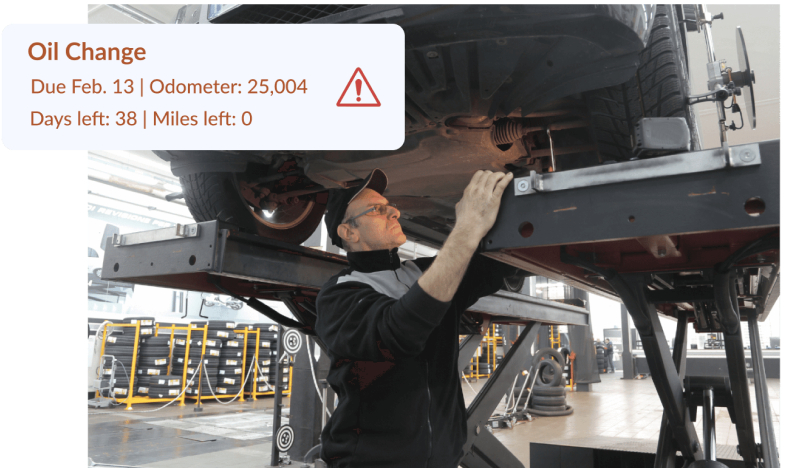
Fleets often begin with structured scheduling logic using preventive maintenance scheduling software for fleets, then layer predictive triggers over defined intervals.
Outcome:
- Standardized response processes
- Clear accountability
- Reduced delay between alert and action


Governance, Auditability, and ROI Measurement
Predictive programs require oversight to maintain accuracy and financial discipline. Without governance, alerts can create noise rather than operational clarity.
- Monitor predictive alert accuracy versus actual failure events
- Track downtime reduction trends over time
- Evaluate maintenance cost per mile before and after implementation
- Audit data completeness and inspection compliance rates
- Review service history retention policies for compliance alignment
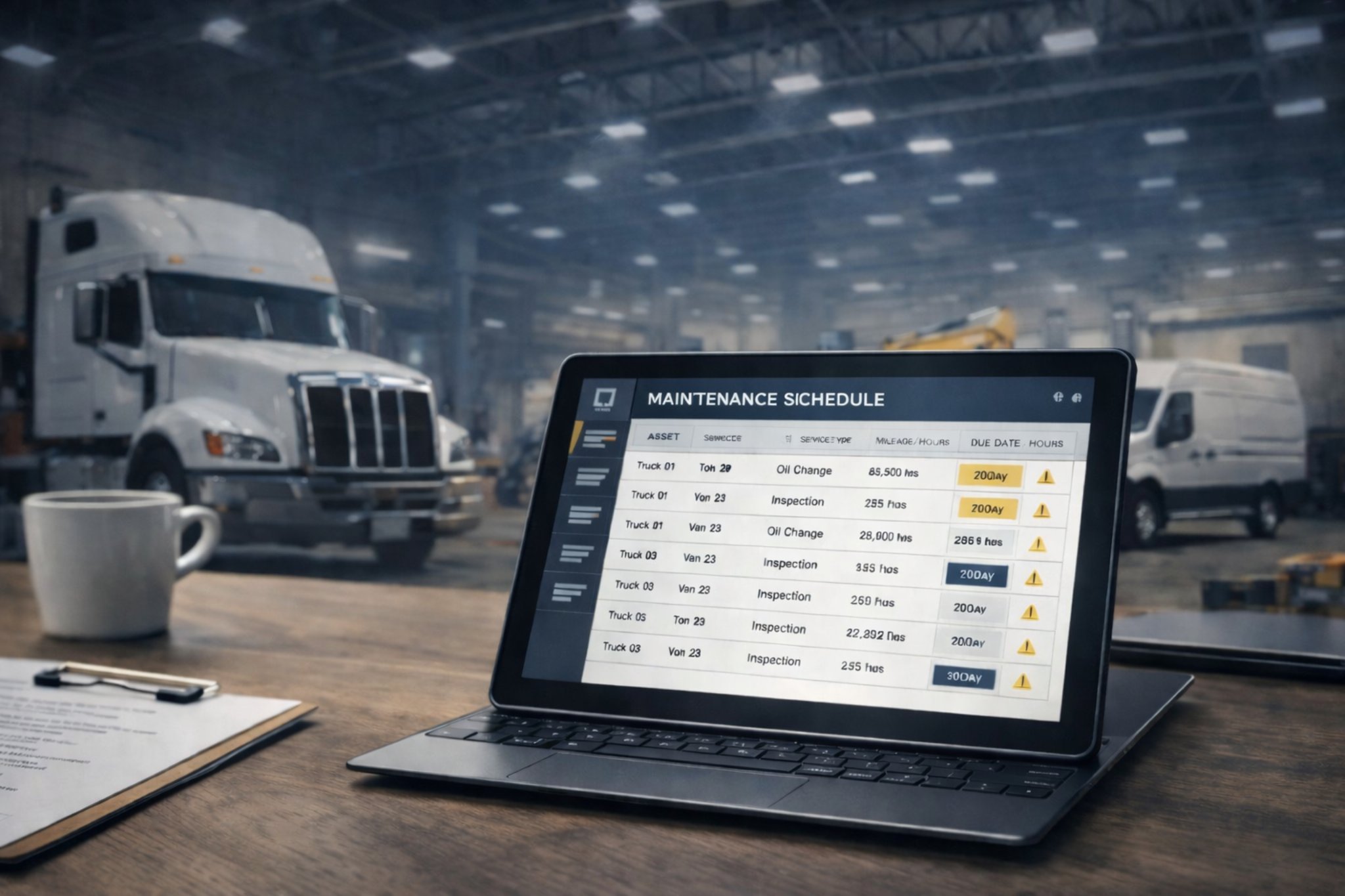
Using a standardized preventive maintenance schedule template helps fleets compare scheduled versus predictive interventions and measure deviation patterns.
Outcome:
- Evidence-based ROI measurement
- Reduced unplanned repair frequency
- Improved long-term asset lifecycle planning
Final Takeaways
Predictive maintenance software strengthens fleet maintenance by introducing condition-based logic into scheduling decisions. It does not replace preventive maintenance; it refines it.
- Start with reliable preventive baselines.
- Ensure telematics and inspection data quality.
- Build structured alert workflows.
- Monitor performance metrics continuously.
- Treat predictive logic as an operational discipline, not just a feature.
AUTOsist Fleet Management Resources

Fleet Telematics Explained: Complete Integration Guide
Preventive Maintenance Guide for Fleet Operations
Preventive Maintenance Schedule Template
Fleet Preventive Maintenance Schedules