How Fleet Management Software Reduces Costs
Fleet costs are driven by maintenance, fuel consumption, vehicle downtime, administrative overhead, and compliance risks. Fleet management software helps organizations monitor these operational areas systematically, allowing managers to control spending, improve vehicle uptime, and standardize fleet processes.

Cost Levers vs Software Controls
| Fleet Cost Area | Operational Problem | Software Control | Expected Outcome |
|---|---|---|---|
| Vehicle maintenance | Reactive repairs and missed service intervals | Preventive maintenance scheduling | Lower repair costs |
| Vehicle downtime | Unplanned breakdowns and delayed repairs | Work order tracking and service history | Higher fleet uptime |
| Fuel consumption | Idling, route inefficiency, and fuel misuse | Fuel tracking and GPS-based monitoring | Reduced fuel spend |
| Administrative workload | Manual spreadsheets and fragmented records | Centralized fleet data and reporting | Lower administrative time |
| Compliance risk | Missing inspections or incomplete documentation | Digital inspection workflows | Reduced regulatory exposure |
Reactive Maintenance vs Preventive Maintenance Operations
Reactive Maintenance Operations
Reactive maintenance focuses on repairing vehicles after a failure occurs, which often leads to higher operational costs and unpredictable downtime.
- Repairs occur after breakdowns rather than before failures
- Parts and labor costs increase due to emergency repairs
- Vehicle downtime interrupts operations and delivery schedules
- Maintenance planning becomes inconsistent across locations

Preventive Maintenance Operations
Preventive maintenance introduces structured service intervals and inspections designed to prevent failures before they occur.
- Maintenance is scheduled based on mileage, hours, or time intervals
- Vehicles remain operational longer due to early issue detection
- Maintenance records improve operational visibility
- Repair costs stabilize through predictable service cycles
Identify Where Fleet Costs Are Coming From
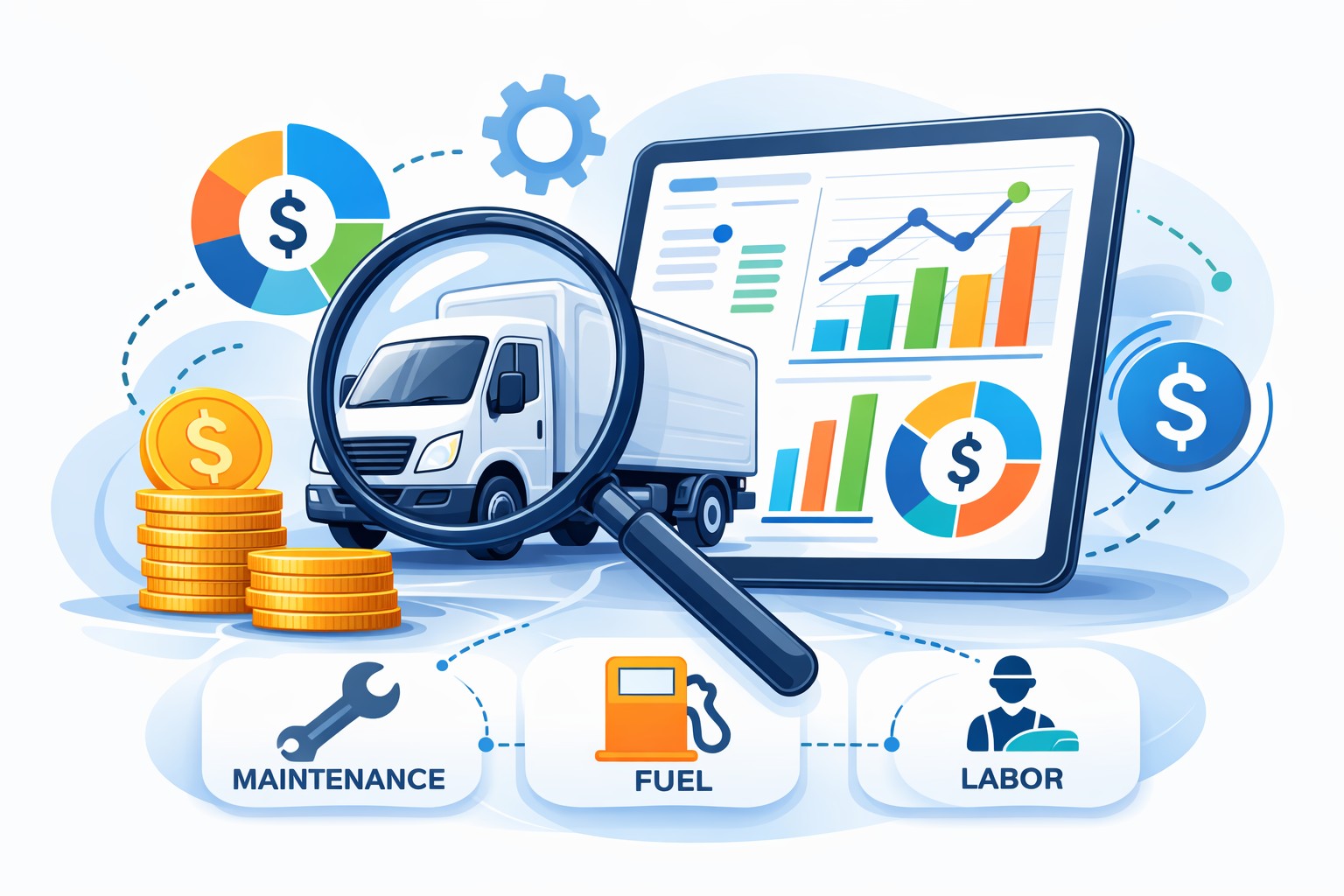
Many fleets struggle with cost control because operational data is scattered across spreadsheets, maintenance invoices, and driver reports. Fleet management software centralizes operational information so managers can identify cost drivers at the vehicle, driver, or location level.
Key cost sources fleets typically analyze include:
- Maintenance costs by vehicle, asset, or service category
- Fuel consumption trends across routes and drivers
- Vehicle downtime caused by unscheduled repairs
- Labor hours spent on maintenance tasks and inspections
- Administrative time spent managing fleet documentation
When fleet data is consolidated and standardized, managers gain a clearer understanding of where operational expenses originate.
Reduce Maintenance Spend and Downtime with Preventive Workflows
Maintenance represents one of the largest controllable expenses in fleet operations. Software platforms help fleets shift from reactive repairs to preventive maintenance programs that reduce both repair costs and vehicle downtime.
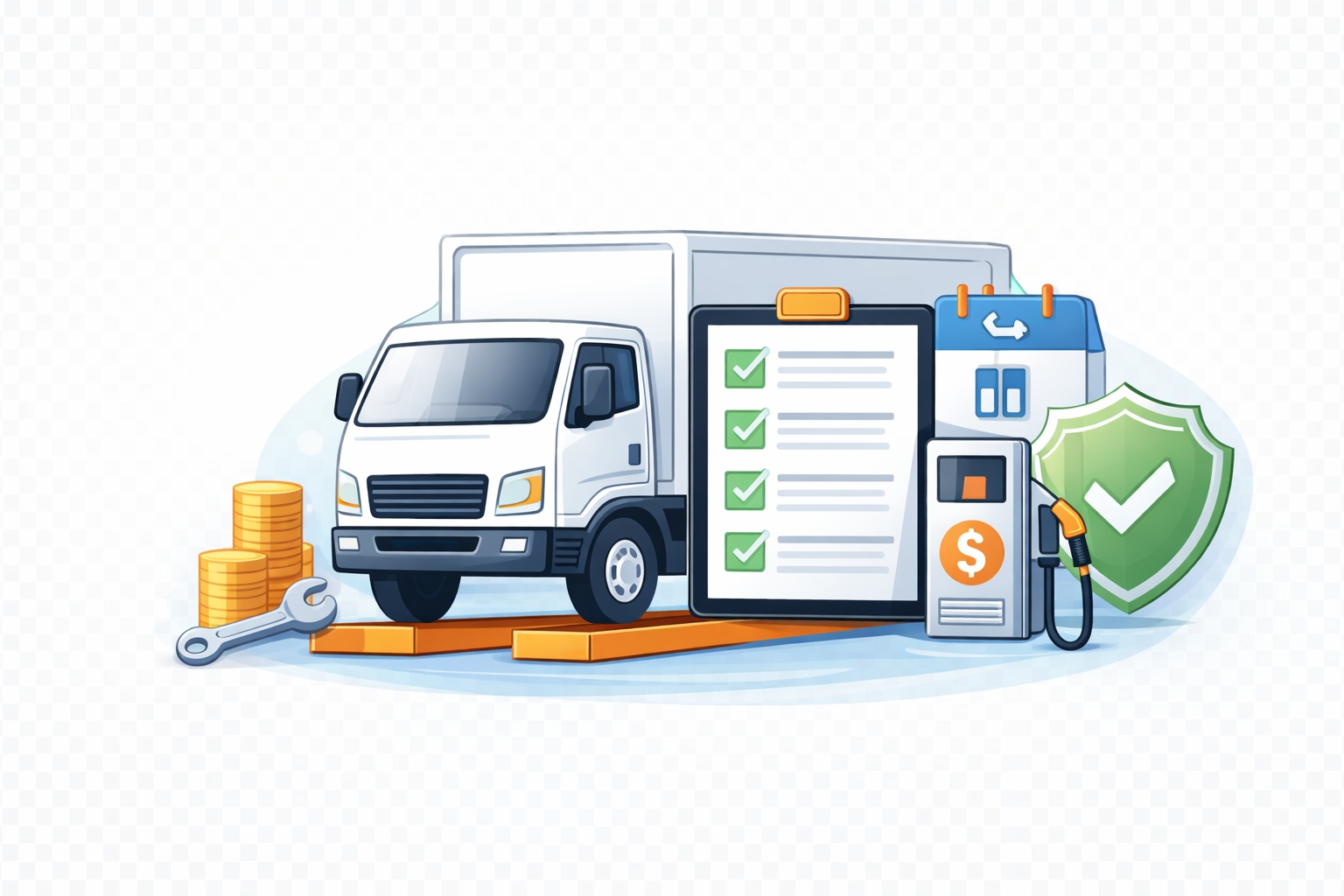
A preventive maintenance workflow typically includes:
- Scheduled service intervals based on mileage, hours, or calendar cycles
- Digital inspection processes that identify issues early
- Work order tracking to manage maintenance activities and technician tasks
- Vehicle service history records that support long-term asset decisions
- Inventory visibility for parts used during repairs
These operational controls help fleets prevent breakdowns and extend the useful life of vehicles. Structured preventive maintenance programs are widely recommended in operational guides such as the preventive maintenance guide for fleet operations.
Cut Fuel and Idling-Related Costs with Tracking and Accountability
Fuel is often the largest variable operating cost in fleet operations. Without clear visibility into fuel usage and driving behavior, fleets struggle to identify where unnecessary fuel consumption occurs.
Fleet management software helps organizations monitor fuel-related cost drivers through operational tracking and reporting.
Common fuel-management practices supported by software include:
- Tracking fuel usage and consumption trends by vehicle
- Monitoring idling behavior and driver operating patterns
- Identifying route inefficiencies that increase fuel use
- Detecting unusual fuel activity or inconsistent fill-ups
- Connecting fuel data with vehicle utilization metrics
These insights allow fleet managers to improve operational efficiency and make better routing, scheduling, and driver management decisions.

Lower Administrative Overhead with Standardized Fleet Processes
Administrative overhead can increase significantly as fleets grow. Manual processes such as spreadsheets, paper inspection forms, and disconnected systems often require significant time to maintain.
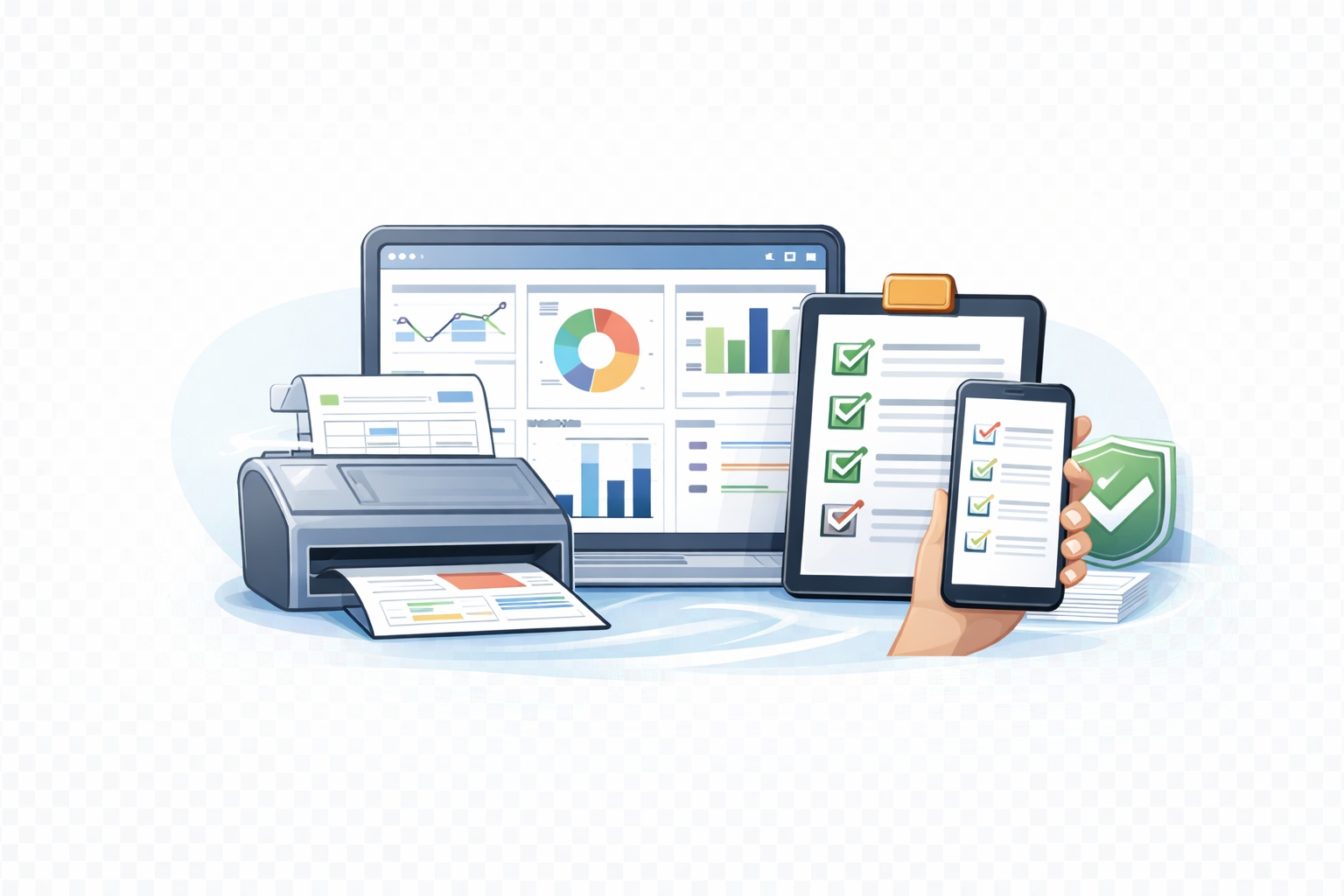
Fleet management software reduces administrative workload by standardizing operational processes across vehicles, drivers, and locations.
Operational improvements typically include:
- Centralized vehicle maintenance records and documentation
- Automated reporting for fleet performance and operational metrics
- Standardized inspection workflows for drivers and technicians
- Simplified compliance documentation and audit preparation
- Consistent maintenance procedures across multiple locations
Operational standards like those described in a fleet maintenance SOP guide help fleets maintain consistency while minimizing manual administrative effort.
Final Takeaways
Fleet costs are influenced by operational visibility, maintenance discipline, fuel management, and administrative efficiency. Fleet management software helps organizations manage these areas through standardized workflows and centralized operational data.
Key operational takeaways include:
- Fleet cost control begins with accurate operational data and reporting.
- Preventive maintenance programs significantly reduce repair and downtime costs.
- Fuel tracking and driver accountability help control one of the largest variable expenses.
- Standardized workflows reduce administrative overhead and operational complexity.
- Centralized fleet systems improve decision-making across vehicles, drivers, and locations.
AUTOsist Fleet Management Resources
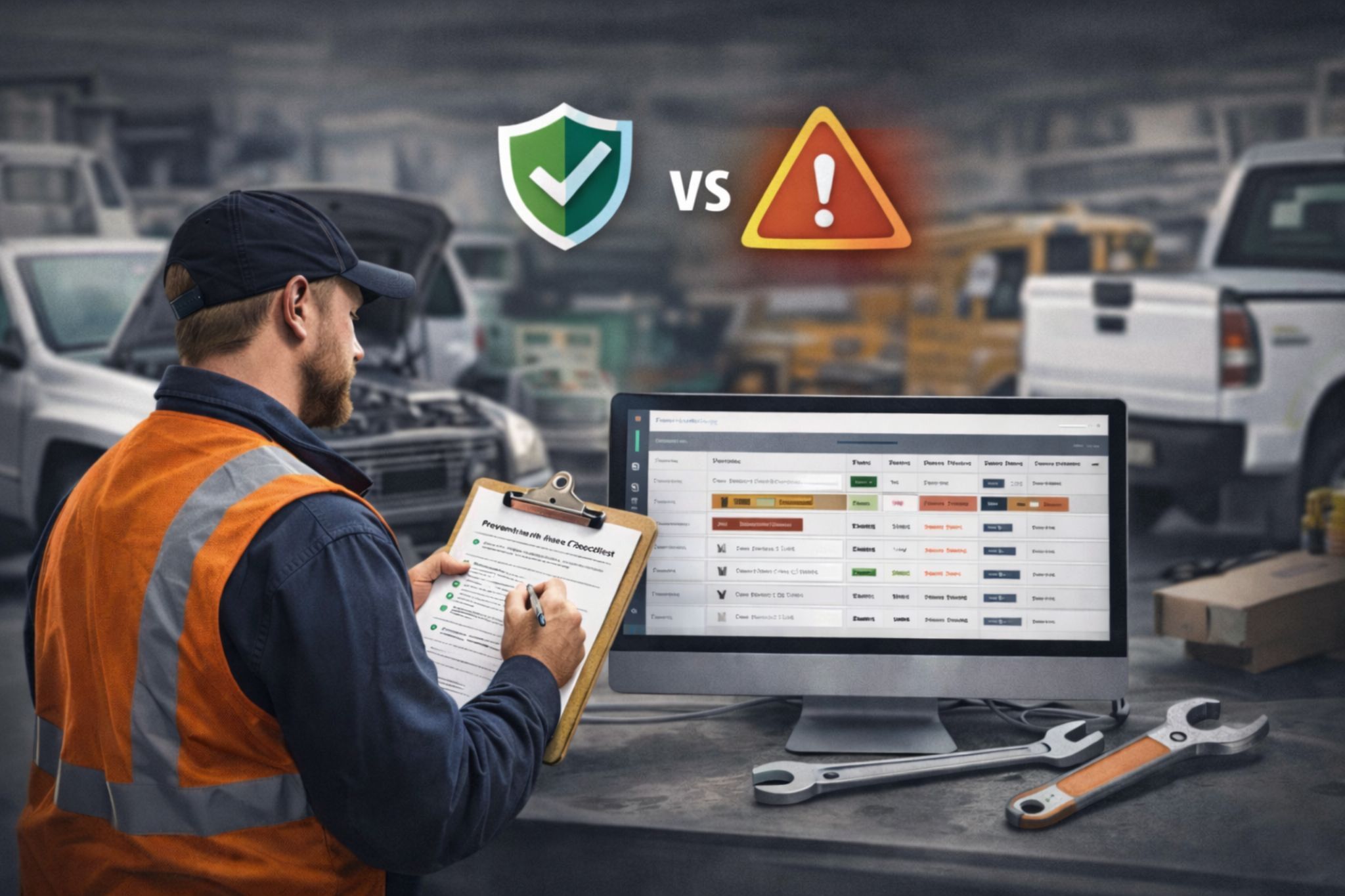
Preventive Maintenance Guide for Fleet Operations
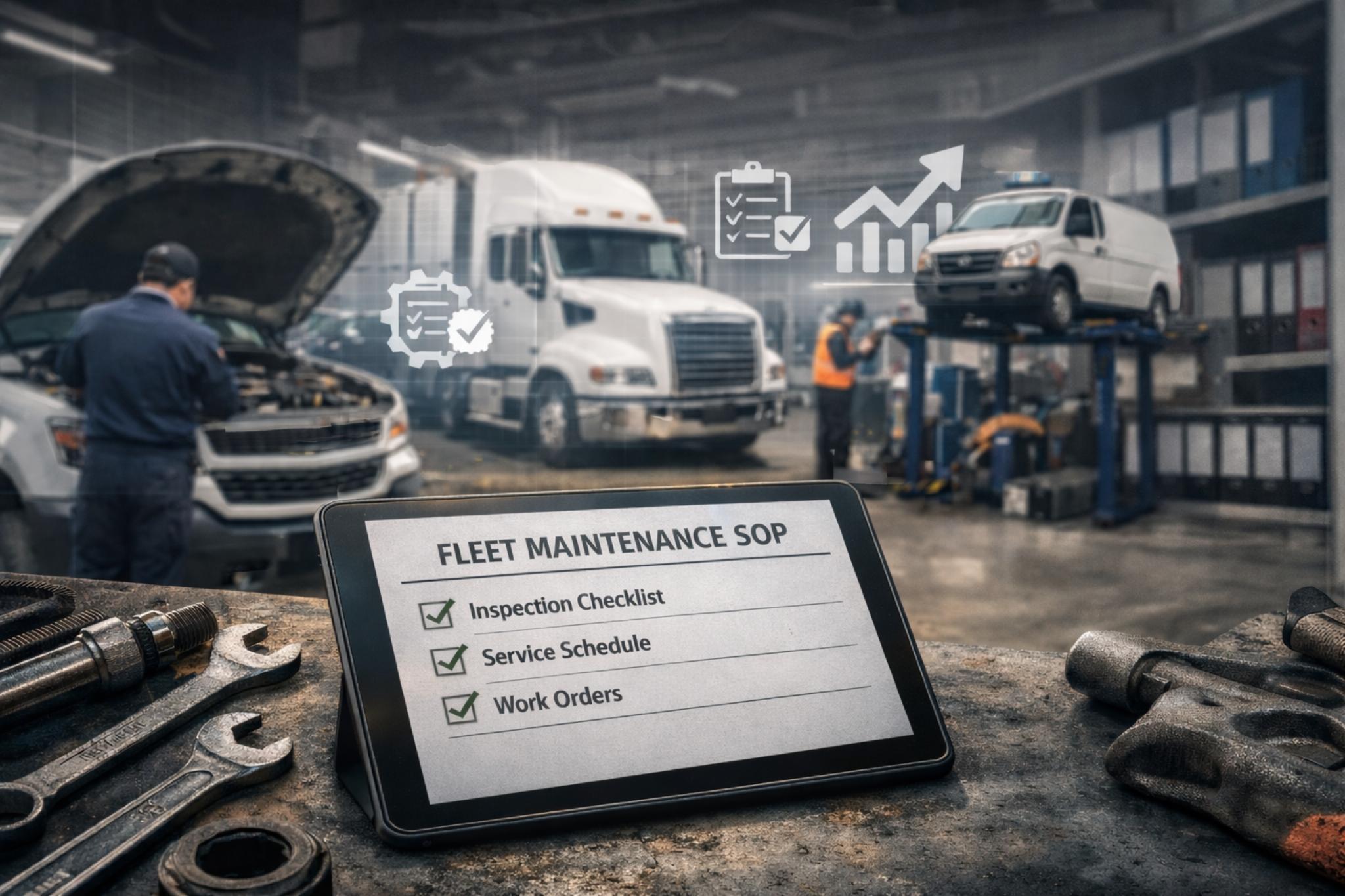
Fleet Maintenance SOP Guide
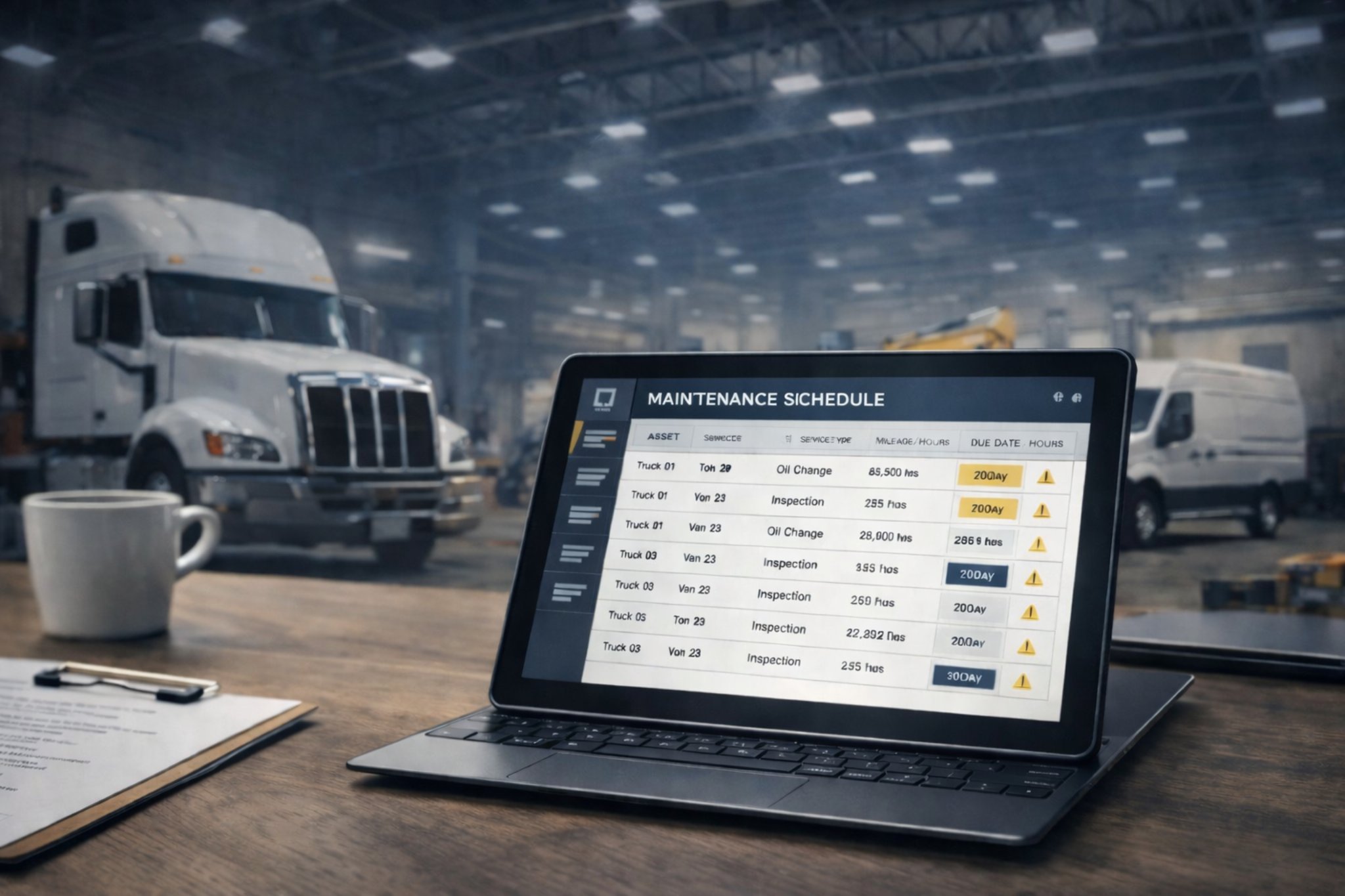
Preventive Maintenance Schedule Template
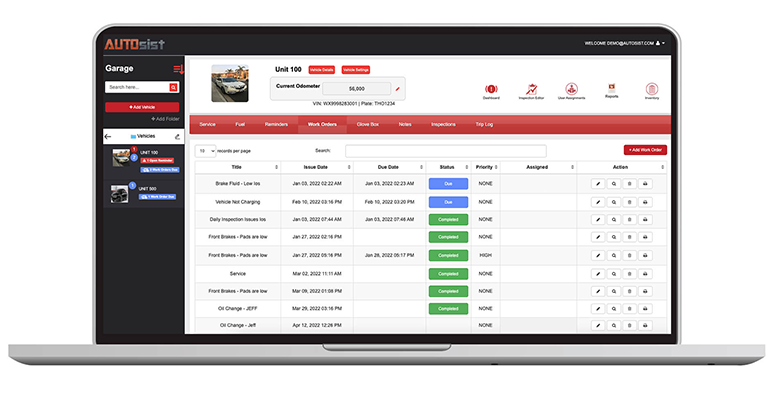
Fleet Maintenance Work Order Software