How Fleet Management Software Improves Business Efficiency
Fleet management software centralizes operational data across vehicles, drivers, and maintenance processes, enabling organizations to monitor performance, coordinate maintenance, and make faster operational decisions. For fleets managing multiple assets and drivers, digital systems improve efficiency by reducing manual processes, improving visibility, and standardizing operational workflows.
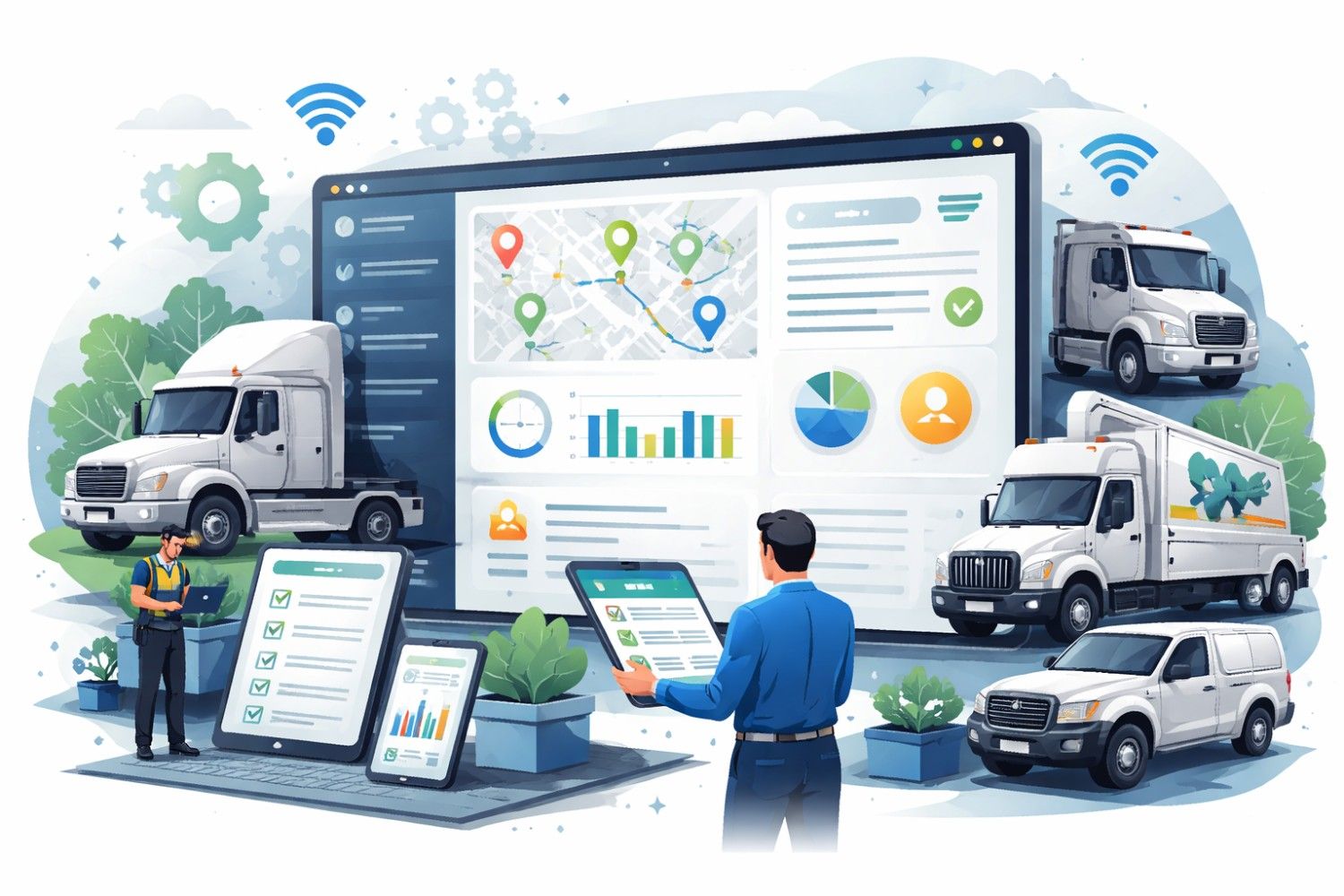
Manual Fleet Management vs Software-Based Fleet Management
| Operational Activity | Manual Process | Software-Based Process | Efficiency Impact |
|---|---|---|---|
| Maintenance tracking | Paper logs or spreadsheets | Centralized maintenance database | Faster service coordination |
| Inspection records | Paper forms and manual filing | Digital inspection reporting | Faster issue identification |
| Fuel usage monitoring | Fuel receipts and manual entry | Automated fuel tracking systems | Better fuel cost visibility |
| Driver oversight | Limited monitoring tools | Driver activity tracking systems | Improved driver accountability |
| Fleet reporting | Manual report compilation | Automated fleet dashboards | Faster operational insights |
Fragmented Fleet Systems vs Centralized Fleet Management Platform

Fragmented Fleet Systems
- Separate tools for inspections, maintenance, and reporting
- Inconsistent data collection across teams
- Manual coordination between departments
- Limited operational visibility

Centralized Fleet Management Platform
- Unified system for inspections, maintenance, and reporting
- Standardized fleet data collection
- Improved coordination across operations teams
- Clear operational visibility across assets and drivers
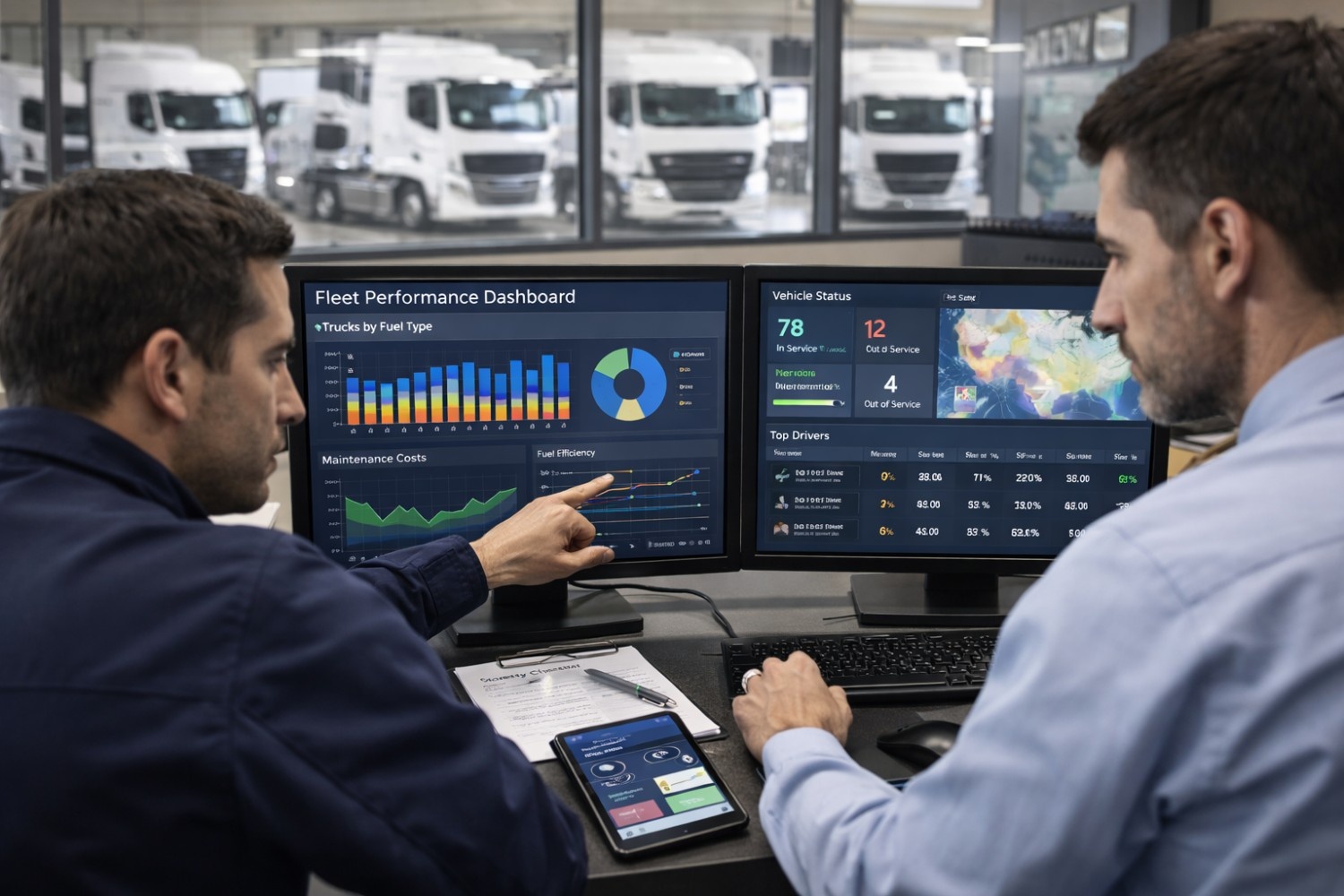
Operational Visibility Across the Fleet
Fleet managers often struggle to maintain clear visibility of vehicle status, maintenance schedules, and operational performance when data is scattered across spreadsheets, paper logs, or disconnected tools.
Fleet management software consolidates these data streams into a centralized system, allowing teams to monitor fleet activity and operational status more efficiently.
Key operational visibility improvements typically include:
- Centralized dashboards showing fleet status across vehicles and equipment
- Real-time access to vehicle service history and maintenance records
- Mileage, trip, and utilization tracking across fleet assets
- Consolidated documentation for inspections, maintenance, and compliance
- Unified reporting across multiple fleet locations or teams
When visibility improves, operations teams can quickly identify operational bottlenecks, vehicle downtime risks, and inefficiencies in fleet usage.
Maintenance Coordination and Downtime Reduction
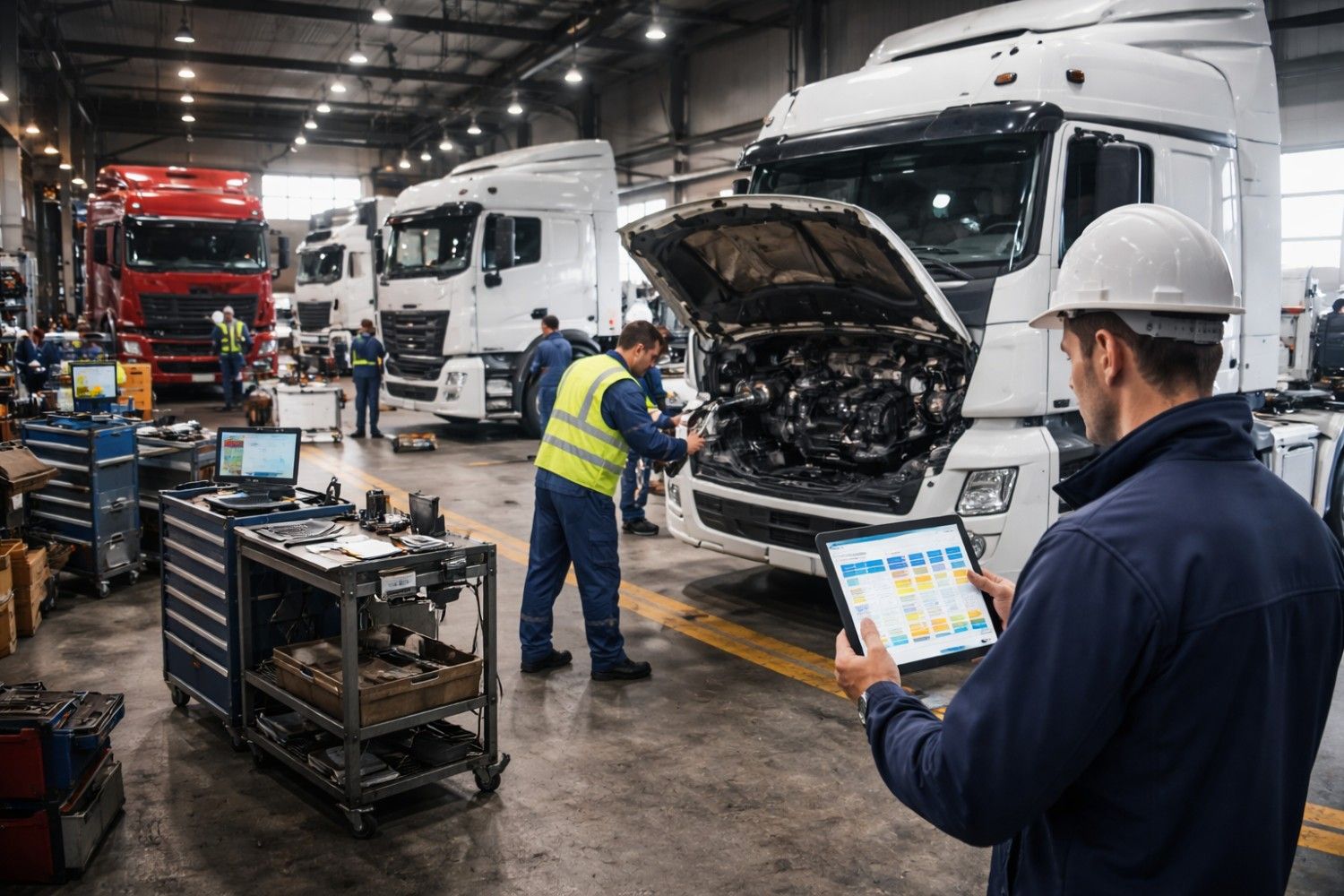
Vehicle downtime is one of the most significant efficiency losses in fleet operations. Poor coordination of service schedules, delayed repairs, and incomplete maintenance records often result in unplanned breakdowns and operational disruption.
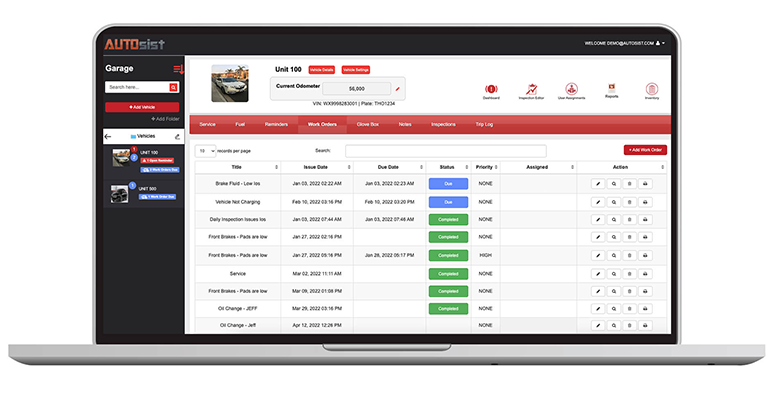
Fleet management software improves maintenance coordination by organizing service schedules, maintenance history, and work orders within a single system.
Common maintenance coordination improvements include:
- Preventive maintenance schedules based on mileage, hours, or time intervals
- Centralized tracking of completed repairs and maintenance history
- Automated reminders for upcoming service requirements
- Work order management for repair tasks and technician coordination
- Historical data analysis for identifying recurring mechanical issues
Organizations implementing preventive maintenance programs often reference resources such as the Preventative Maintenance Guide for Fleet Operations to structure consistent service schedules and reduce unexpected downtime.
When maintenance data is organized and accessible, fleets can reduce repair delays and extend vehicle service life.
Driver Activity and Safety Oversight
Driver performance has a direct impact on fleet efficiency. Unsafe driving behavior, excessive idling, and inefficient routes increase operational costs and vehicle wear.
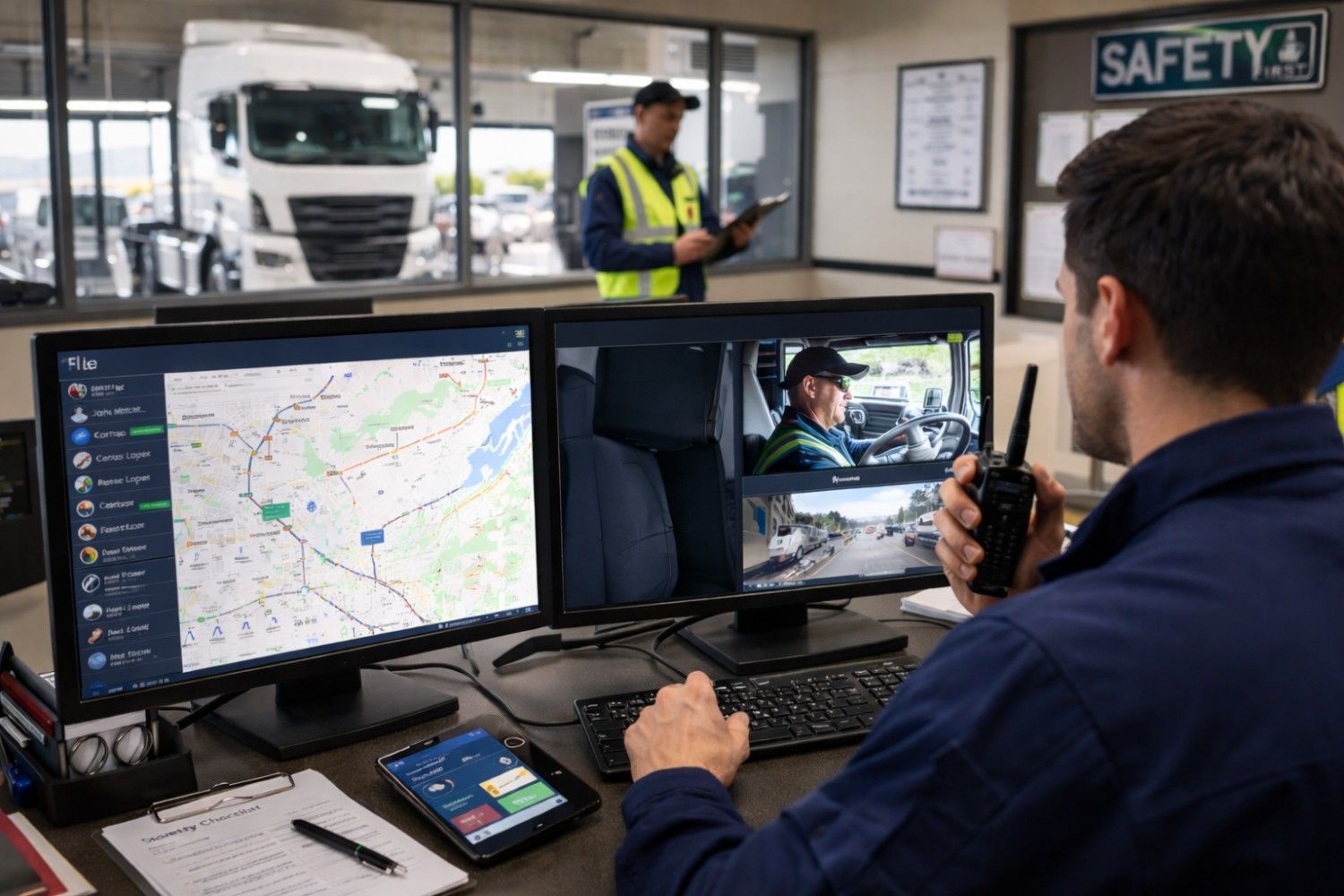
Fleet management software enables organizations to monitor driver activity and operational safety metrics more effectively.
Key capabilities supporting driver oversight include:
- Driver assignment tracking and vehicle usage monitoring
- Integration with GPS tracking systems for route visibility
- Driver safety monitoring using telematics or dash cameras
- Incident and inspection reporting from mobile devices
- Operational alerts for unsafe driving patterns or irregular activity
Fleet safety programs frequently incorporate standardized inspection procedures and safety monitoring practices similar to those outlined in the Fleet Safety Guide for Fleet Operations.
When driver data becomes visible and measurable, fleets can implement targeted safety programs and reduce operational risks.
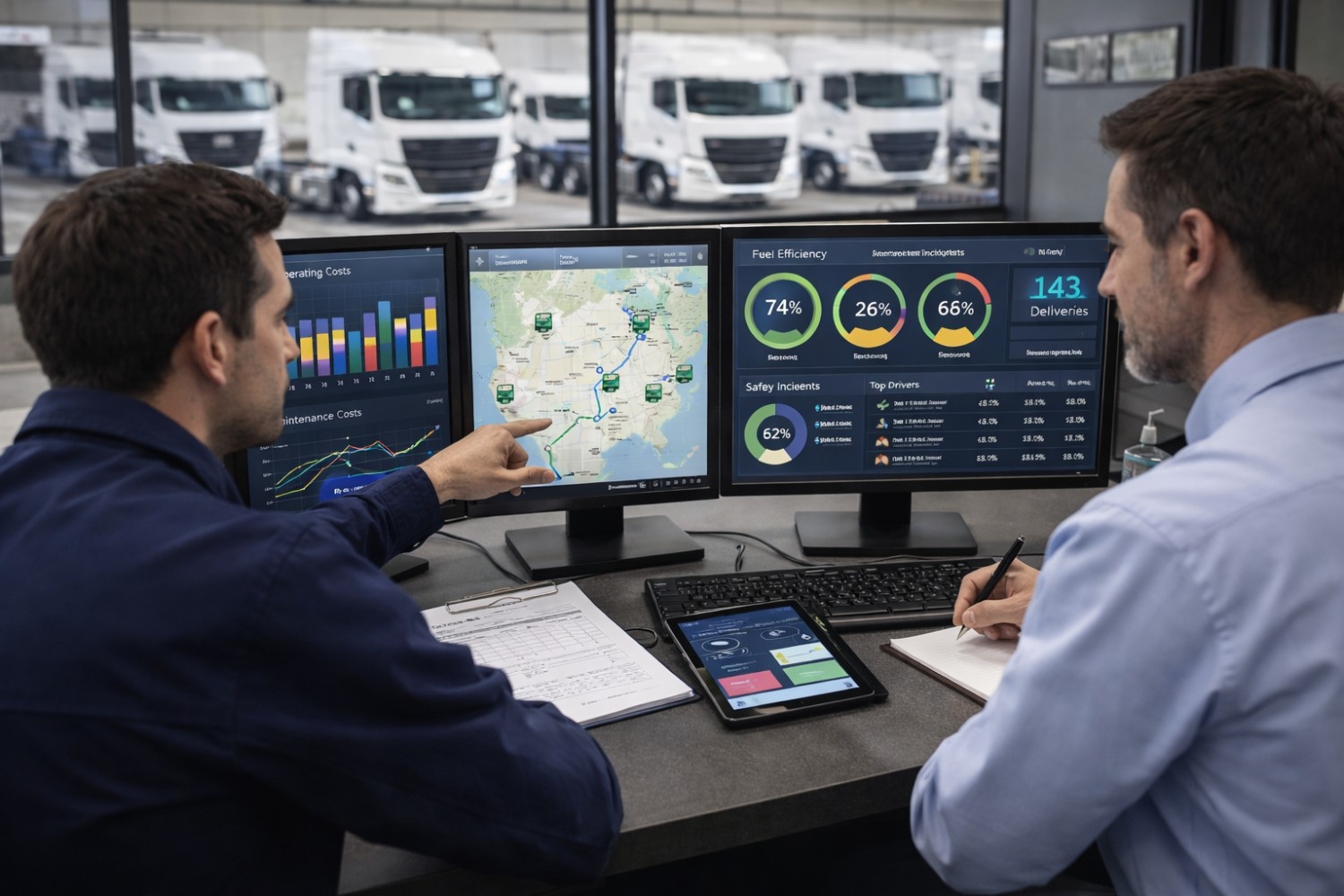
Data-Driven Fleet Decision Making
Modern fleet operations generate significant operational data, including maintenance costs, vehicle utilization, inspection outcomes, and driver performance metrics.
Fleet management software aggregates this data into dashboards and reports that support operational decision making.
Operational analytics typically enable fleets to:
- Identify vehicles with high maintenance costs or downtime frequency
- Monitor fleet utilization across vehicles and departments
- Track cost trends related to fuel, repairs, and maintenance
- Evaluate driver performance and safety trends
- Forecast replacement cycles using service history data
Centralized fleet reporting systems make it possible to analyze trends across the entire operation rather than relying on fragmented records.
Better data visibility enables operations leaders to plan budgets, adjust maintenance strategies, and improve overall fleet efficiency.
Standardizing Fleet Processes and Documentation
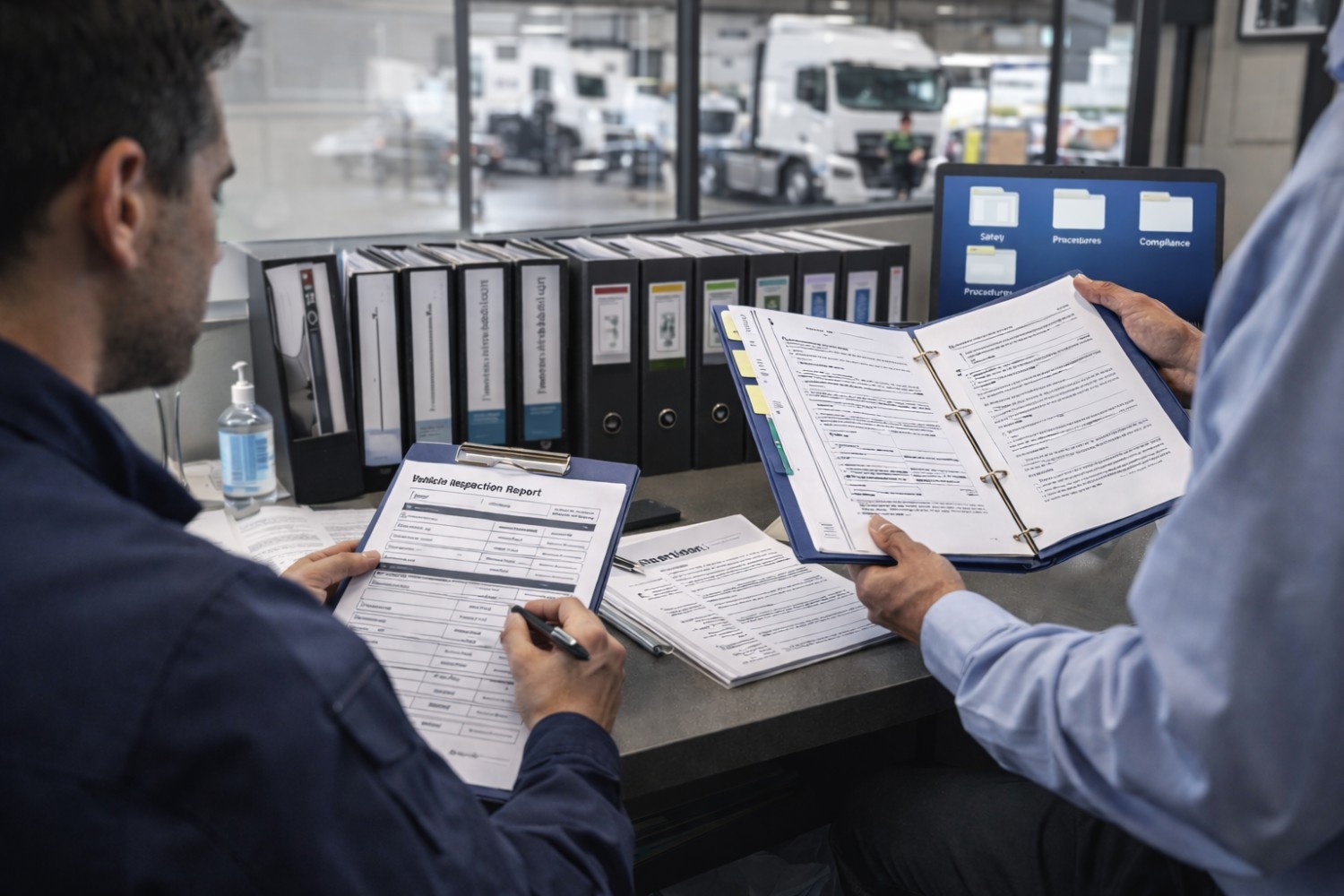
Fleet operations typically involve multiple processes including vehicle inspections, maintenance reporting, work order management, and regulatory compliance.
When these processes are handled manually, documentation becomes inconsistent and difficult to manage across teams.
Fleet management software improves operational consistency by standardizing these workflows.
Common process improvements include:
- Digital vehicle inspection reports submitted by drivers
- Standardized maintenance records stored in a centralized system
- Work order documentation for repairs and parts usage
- Digital document storage for fleet compliance records
- Shared operational procedures across maintenance teams
Fleets often use standardized documentation such as the fleet maintenance log template to ensure maintenance records remain consistent and accessible across vehicles and departments.
Standardizing fleet documentation reduces administrative workload while improving audit readiness and operational accountability.
Final Takeaways
Fleet management software improves operational efficiency by organizing fleet data, automating maintenance processes, and improving visibility across vehicles, drivers, and operational activities.
Organizations implementing centralized fleet management systems typically experience improvements in operational coordination, data visibility, and maintenance planning.
Key efficiency improvements include:
- Centralized fleet data improves operational visibility.
- Preventive maintenance reduces unexpected vehicle downtime.
- Driver monitoring improves safety and operational accountability.
- Automated reporting supports data-driven decision making.
- Standardized documentation improves compliance and record accuracy.
AUTOsist Fleet Management Resources
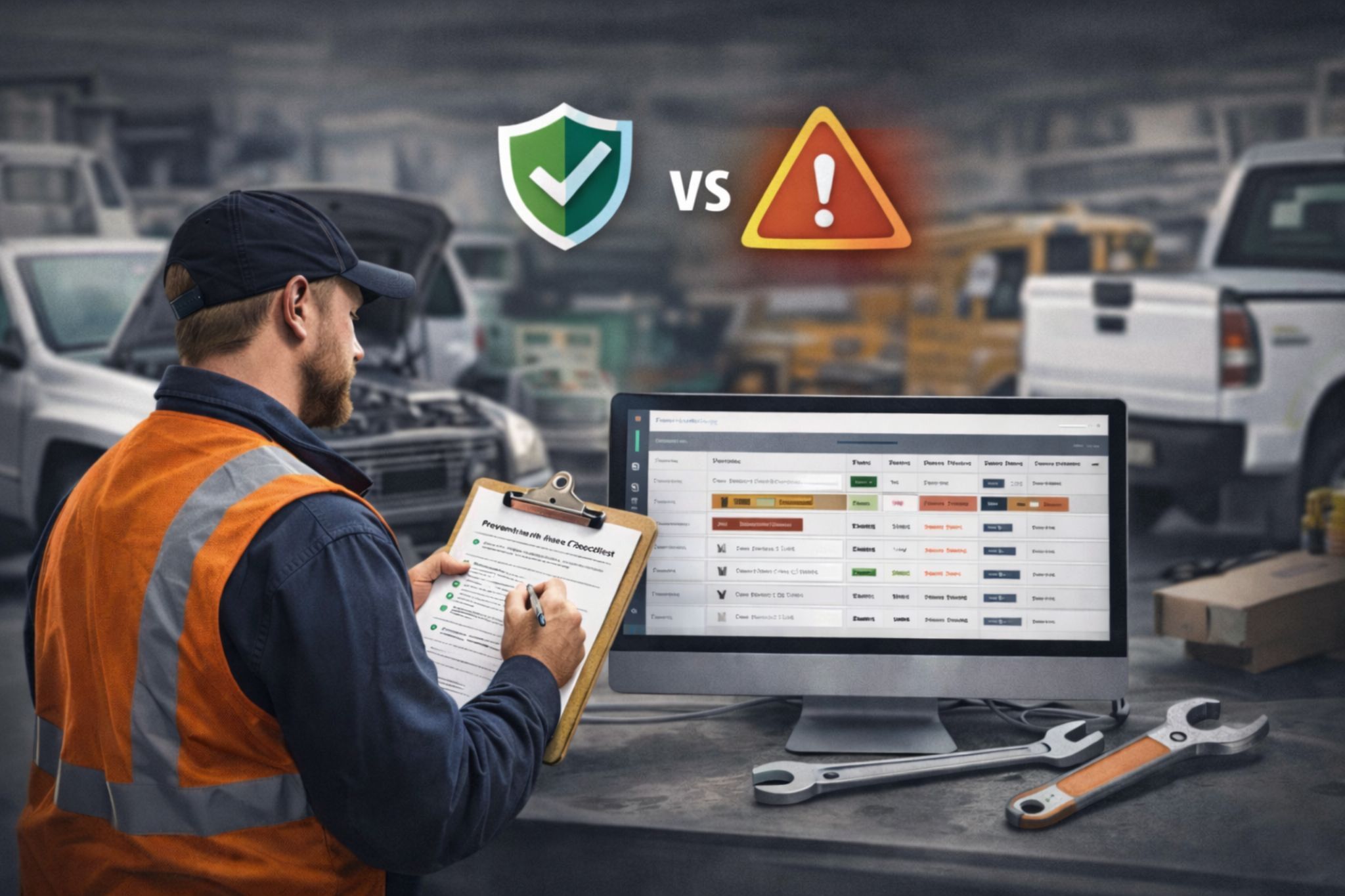
Preventative Maintenance Guide for Fleet Operations

Fleet Safety Guide for Fleet Operations
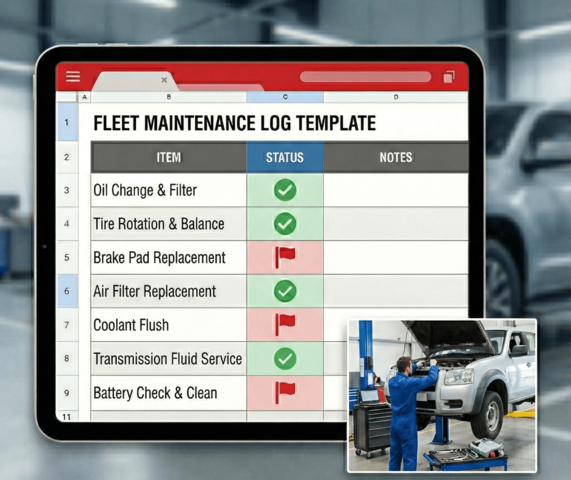
Fleet Maintenance Log Excel Template
Fleet Maintenance Work Order Software