Hidden Costs of Managing a Fleet Without Software
Managing a fleet without dedicated software often creates operational blind spots that gradually increase costs. Many of these expenses are not immediately visible but accumulate through downtime, compliance risks, administrative inefficiencies, and limited visibility into fleet performance.

Hidden Fleet Cost Categories and Their Operational Drivers
| Hidden Cost Category | Operational Cause | Typical Impact | Preventable With Better Visibility |
|---|---|---|---|
| Vehicle downtime | Missed service intervals | Lost productivity | Yes |
| Compliance penalties | Missing documentation | Fines and audits | Yes |
| Fuel inefficiencies | Poor route and idle tracking | Higher fuel spend | Yes |
| Administrative overhead | Manual record keeping | Increased labor hours | Yes |
| Poor maintenance timing | Reactive repair cycles | Higher repair costs | Yes |
Manual Fleet Management vs Software-Based Fleet Management

Manual Fleet Management
Operational Visibility
- Maintenance records are often stored across spreadsheets, paper logs, or disconnected systems
- Managers rely on manual updates from technicians and drivers
- Reporting requires manual compilation of data
Maintenance Control
- Service schedules are tracked manually
- Missed maintenance intervals are common
- Work orders and repair histories may be incomplete

Software-Based Fleet Management
Operational Visibility
- Maintenance records are centralized in one system
- Real-time updates from inspections, drivers, and technicians
- Reporting and dashboards provide operational insights
Maintenance Control
- Preventive maintenance schedules are automated
- Service alerts help reduce missed maintenance intervals
- Work orders and service history remain documented and searchable
Operational Blind Spots and Data Fragmentation
When fleets rely on spreadsheets, paper logs, or disconnected tools, operational data becomes fragmented across multiple systems. This makes it difficult for managers to identify issues early or maintain a complete view of fleet activity.
Common operational blind spots include:
- Maintenance records stored in separate documents or spreadsheets
- Vehicle inspections completed without centralized reporting
- Inconsistent data entry across technicians and drivers
- Difficulty tracking historical service records
- Delays in identifying recurring vehicle issues
Operational outcomes often include:
- Reduced ability to diagnose long-term fleet performance issues
- Limited data available for planning maintenance strategies
Fleet managers who adopt structured tracking systems often begin with processes outlined in the fleet maintenance tracking guide.


Reactive Maintenance and Unplanned Vehicle Downtime
Without structured maintenance tracking, fleets often fall into reactive maintenance cycles where vehicles are serviced only after problems occur. This approach increases downtime and raises repair costs.
Operational risks typically include:
- Missed preventive maintenance intervals
- Unexpected mechanical failures
- Longer repair times due to delayed diagnosis
- Increased vehicle downtime affecting operations
- Higher repair costs from severe component failures
Proactive programs built around preventive maintenance planning for fleet operations can reduce these operational risks and stabilize fleet availability.
Compliance Risks and Documentation Gaps
Commercial fleets must maintain accurate maintenance, inspection, and compliance records. When documentation is managed manually, it becomes more difficult to maintain audit-ready records.
Operational challenges may include:
- Missing or incomplete inspection records
- Difficulty locating historical maintenance documentation
- Increased preparation time before regulatory audits
- Greater risk of compliance penalties
- Inconsistent documentation standards across locations
Many fleets rely on standardized processes and tools such as a fleet maintenance log template to maintain more consistent records.


Inefficient Resource Allocation and Labor Overhead
Manual fleet management requires significant administrative effort to track maintenance activities, inspections, and fleet performance. These administrative tasks increase labor costs and reduce operational efficiency.
Typical administrative burdens include:
- Manual entry of maintenance records
- Tracking service intervals across spreadsheets
- Coordinating work orders between technicians and managers
- Generating reports manually for leadership review
- Managing vehicle documentation across multiple systems
Operational impacts may include:
- Increased administrative workload
- Delayed decision-making due to limited reporting visibility
Limited Visibility Into Fleet Performance and Costs
Fleet managers must understand performance metrics such as downtime, maintenance costs, utilization, and inspection results. Without centralized reporting, these insights are difficult to obtain.
Operational visibility challenges often include:
- Lack of real-time reporting on fleet performance
- Difficulty identifying high-cost vehicles
- Limited insight into maintenance trends
- Inability to track fleet efficiency metrics consistently
- Poor visibility into service history across the fleet
Centralized reporting systems that track inspections, repairs, and work orders can significantly improve decision-making. Platforms that include tools such as fleet maintenance work order software help organize service requests and maintenance workflows.

Final Takeaways
Hidden costs in fleet operations rarely appear as a single large expense. Instead, they accumulate gradually through inefficiencies, missed maintenance, downtime, and administrative overhead.
Key operational insights include:
- Manual fleet management often creates data fragmentation and operational blind spots.
- Reactive maintenance cycles increase downtime and long-term repair costs.
- Compliance documentation gaps can increase audit risk and regulatory penalties.
- Administrative workload grows significantly without centralized fleet systems.
- Limited reporting visibility makes it harder to control operational costs.
AUTOsist Fleet Management Resources
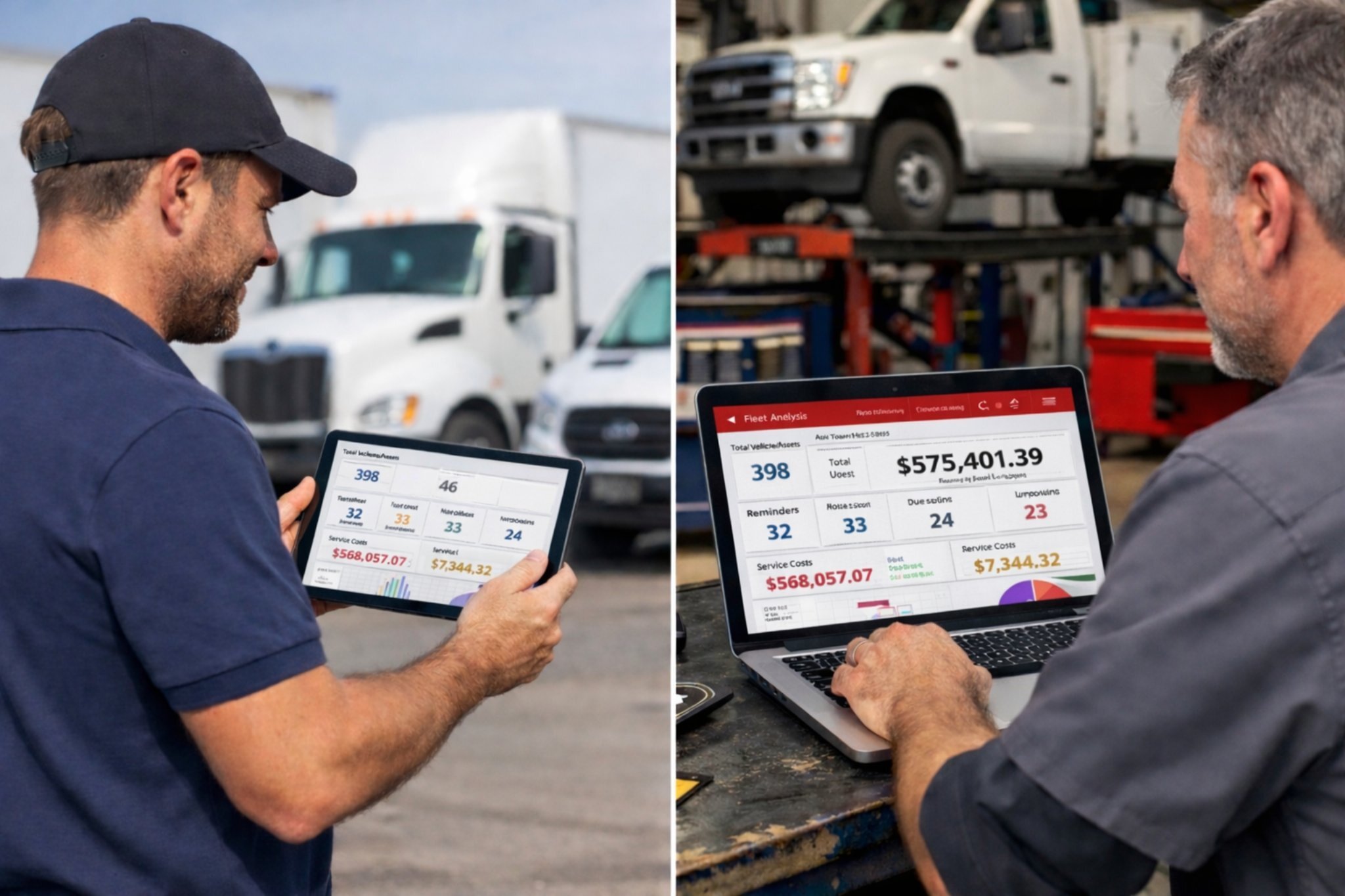
Fleet Maintenance Tracking Guide
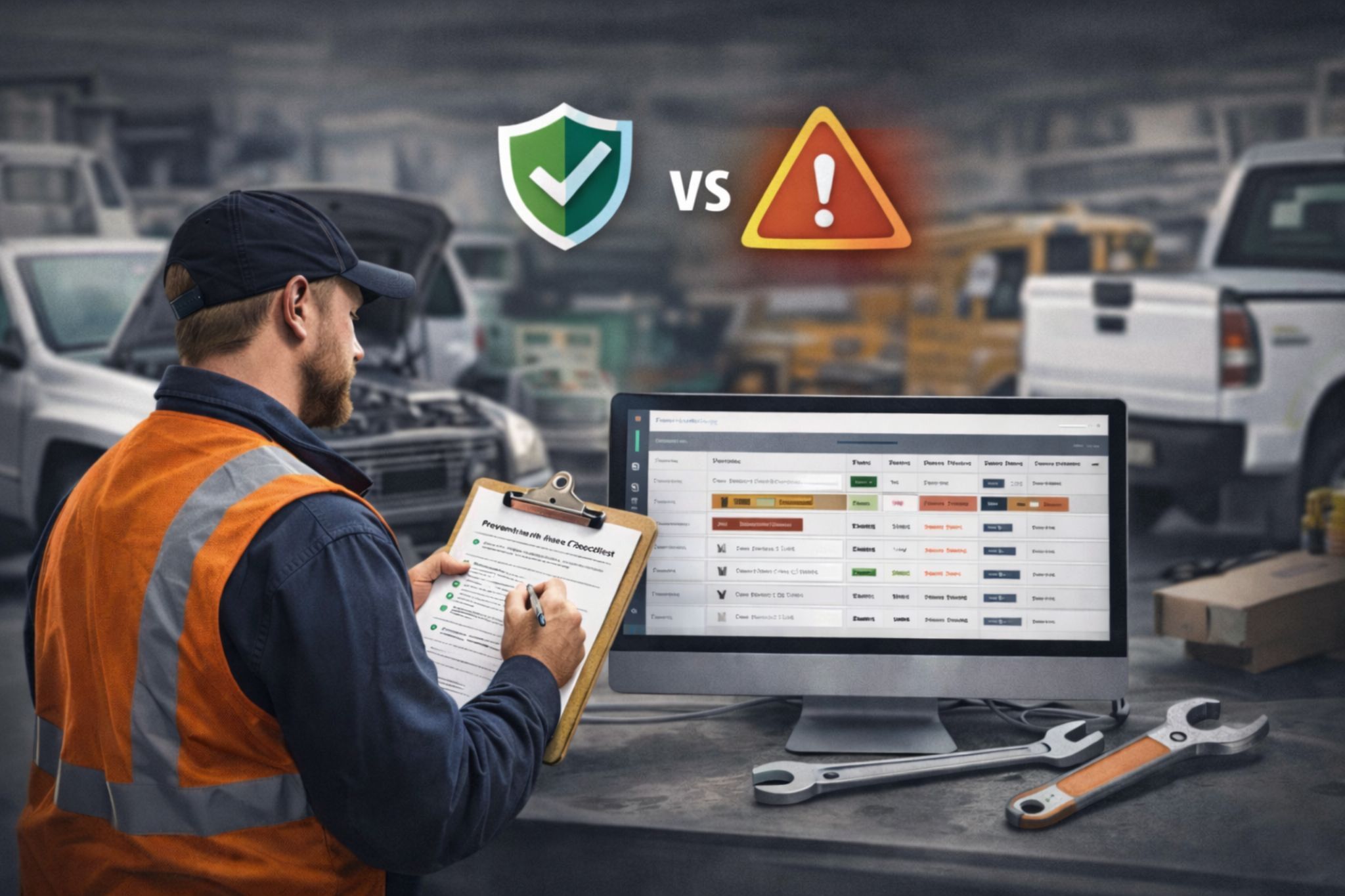
Preventive Maintenance Planning for Fleet Operations
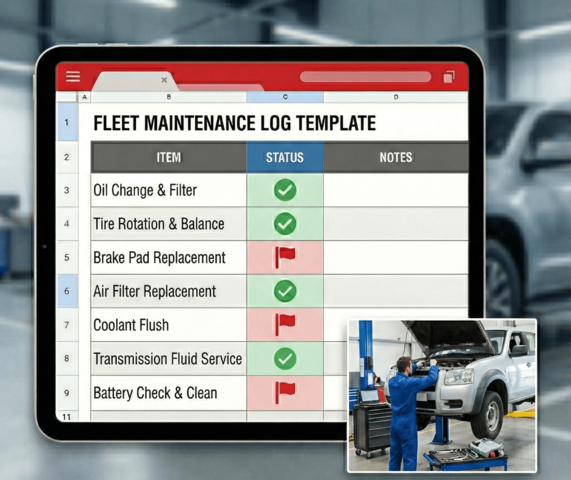
Fleet Maintenance Log Excel Template
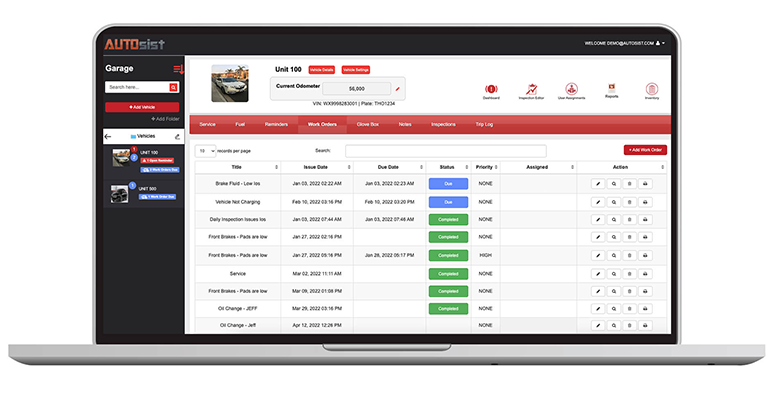
Fleet Maintenance Work Order Software