GPS Vehicle Tracking Use Cases for Fleet Operations
GPS vehicle tracking allows fleet operators to monitor vehicle locations, movement patterns, and operational activity in real time. In fleet operations, this data supports dispatch coordination, driver oversight, route efficiency, maintenance planning, and overall operational visibility.
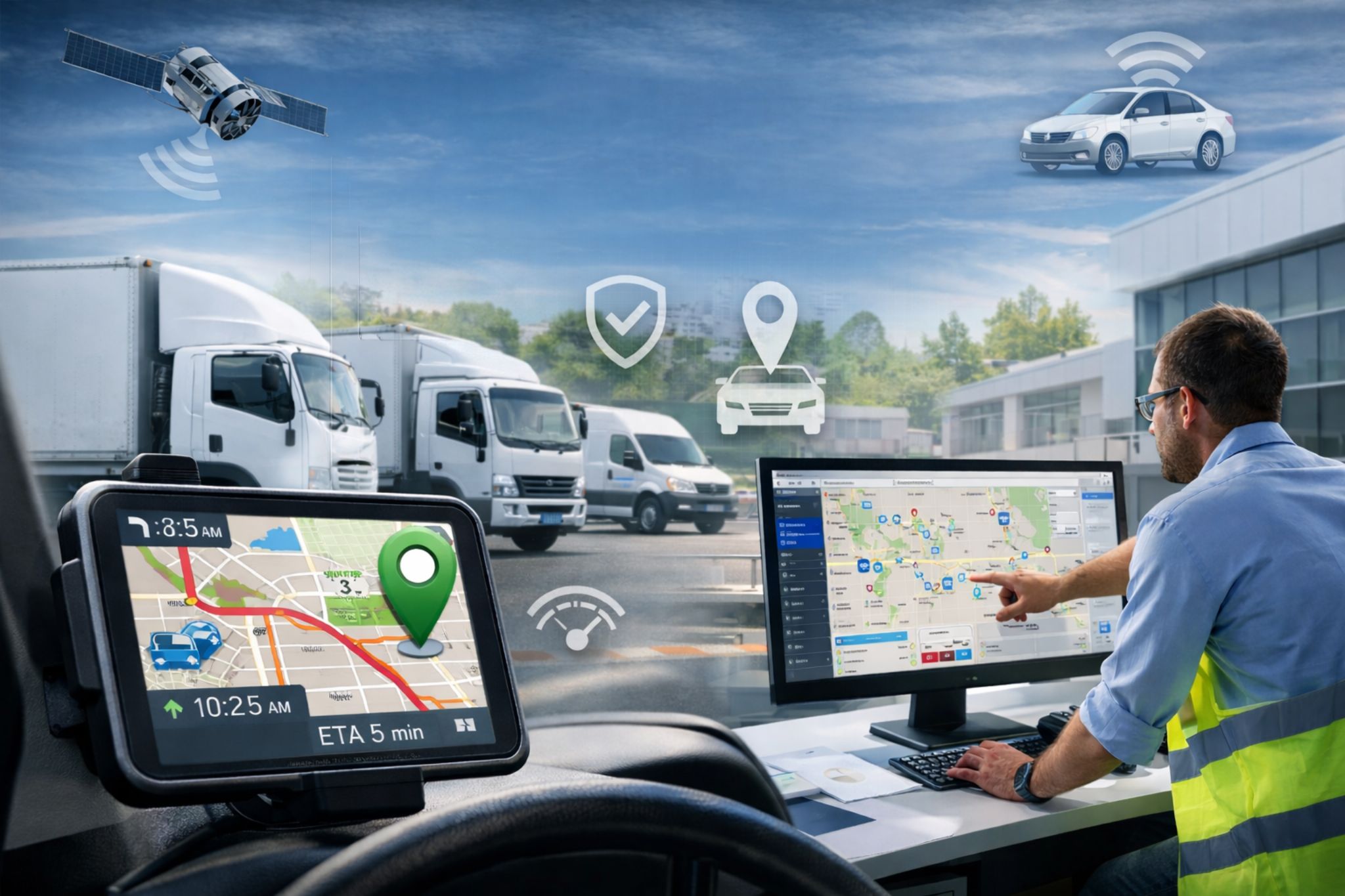
Common GPS Vehicle Tracking Use Cases in Fleet Operations
| Use Case | Operational Purpose | Fleet Data Used | Typical Outcome |
|---|---|---|---|
| Real-time vehicle location | Monitor active fleet movements | GPS coordinates | Faster dispatch decisions |
| Route performance monitoring | Evaluate route efficiency | Travel time and route history | Reduced travel delays |
| Driver behavior oversight | Identify unsafe driving | Speed, braking, idling | Improved driver safety |
| Asset security monitoring | Track vehicle movement | Location alerts | Faster theft recovery |
| Fleet utilization tracking | Measure asset usage | Trip and mileage data | Better asset allocation |
Basic GPS Tracking vs Integrated Fleet Telematics Platforms

Basic GPS Tracking
Visibility and oversight
- Provides real-time vehicle location
- Tracks basic trip history
- Offers limited reporting capabilities
- Focuses primarily on location monitoring
Operational integration
- Minimal connection with maintenance systems
- Limited driver performance insights
- Separate tools often required for reporting
- Data rarely integrated into operational workflows
Integrated Fleet Telematics Platforms
Visibility and oversight
- Combines GPS tracking with operational fleet data
- Provides detailed vehicle usage analytics
- Supports fleet-wide reporting dashboards
- Enables data-driven operational monitoring
Operational integration
- Integrates with maintenance and inspection workflows
- Supports driver safety monitoring
- Connects operational data across fleet systems
- Enables centralized fleet management decisions
Real-Time Vehicle Visibility and Dispatch Coordination
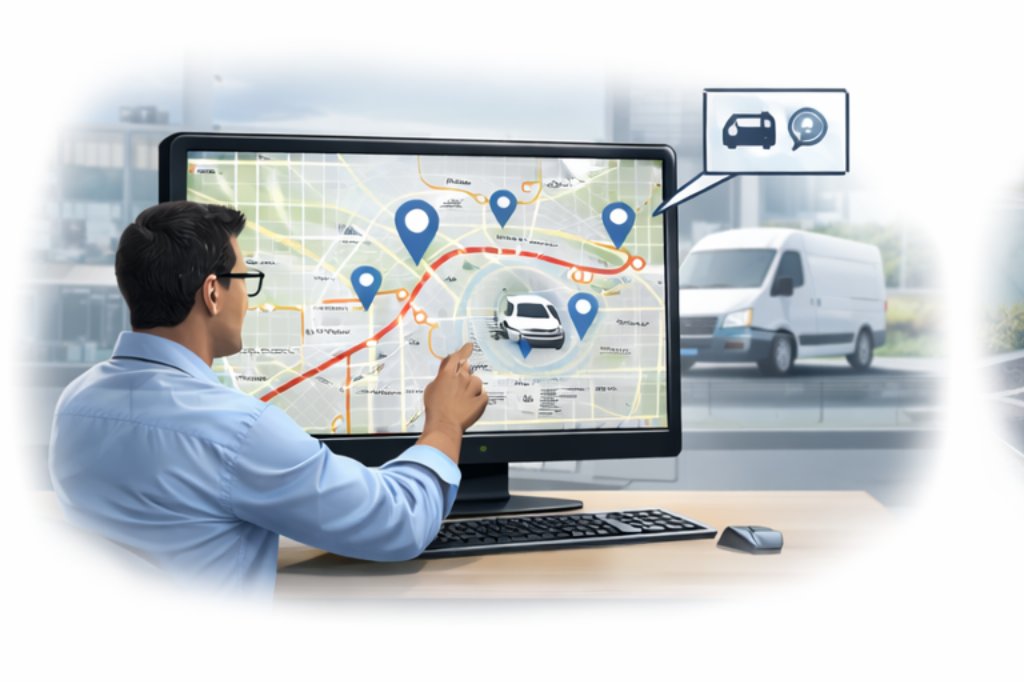
Real-time GPS visibility allows fleet managers and dispatch teams to monitor vehicle locations continuously. This capability improves response times, coordination, and operational awareness across the fleet.
Operational use cases include:
- Identifying the closest available vehicle for a service call
- Monitoring vehicle progress during active jobs or deliveries
- Verifying estimated arrival times for customer commitments
- Responding quickly to delays or unexpected route changes
- Coordinating vehicles across multiple service areas
Operational outcomes often include:
- Faster dispatch decisions
- Reduced idle time between jobs
- Improved service response times
Route Optimization and Fleet Utilization
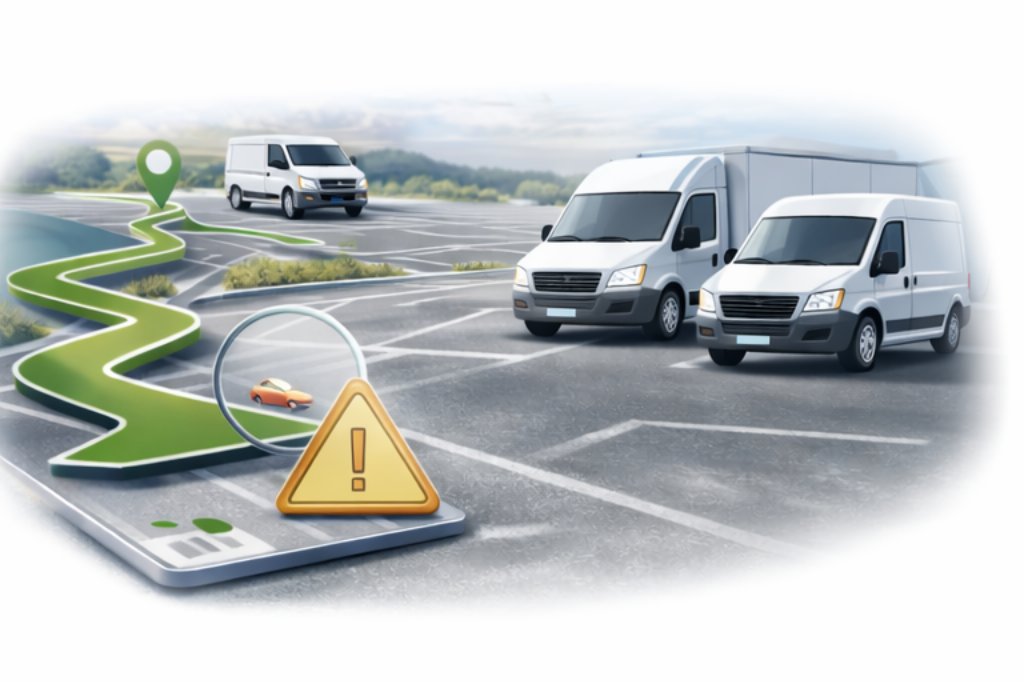
GPS tracking data helps fleets analyze route efficiency and vehicle usage patterns. Over time, this information supports route improvements and more balanced fleet utilization.
Common operational practices include:
- Reviewing historical route performance data
- Identifying recurring congestion or delays
- Adjusting routes to reduce travel time
- Monitoring vehicle utilization across the fleet
- Balancing workload across available vehicles
Operational outcomes include:
- Reduced fuel consumption
- Lower travel time variability
- Improved vehicle utilization rates
Driver Behavior Monitoring and Safety Oversight
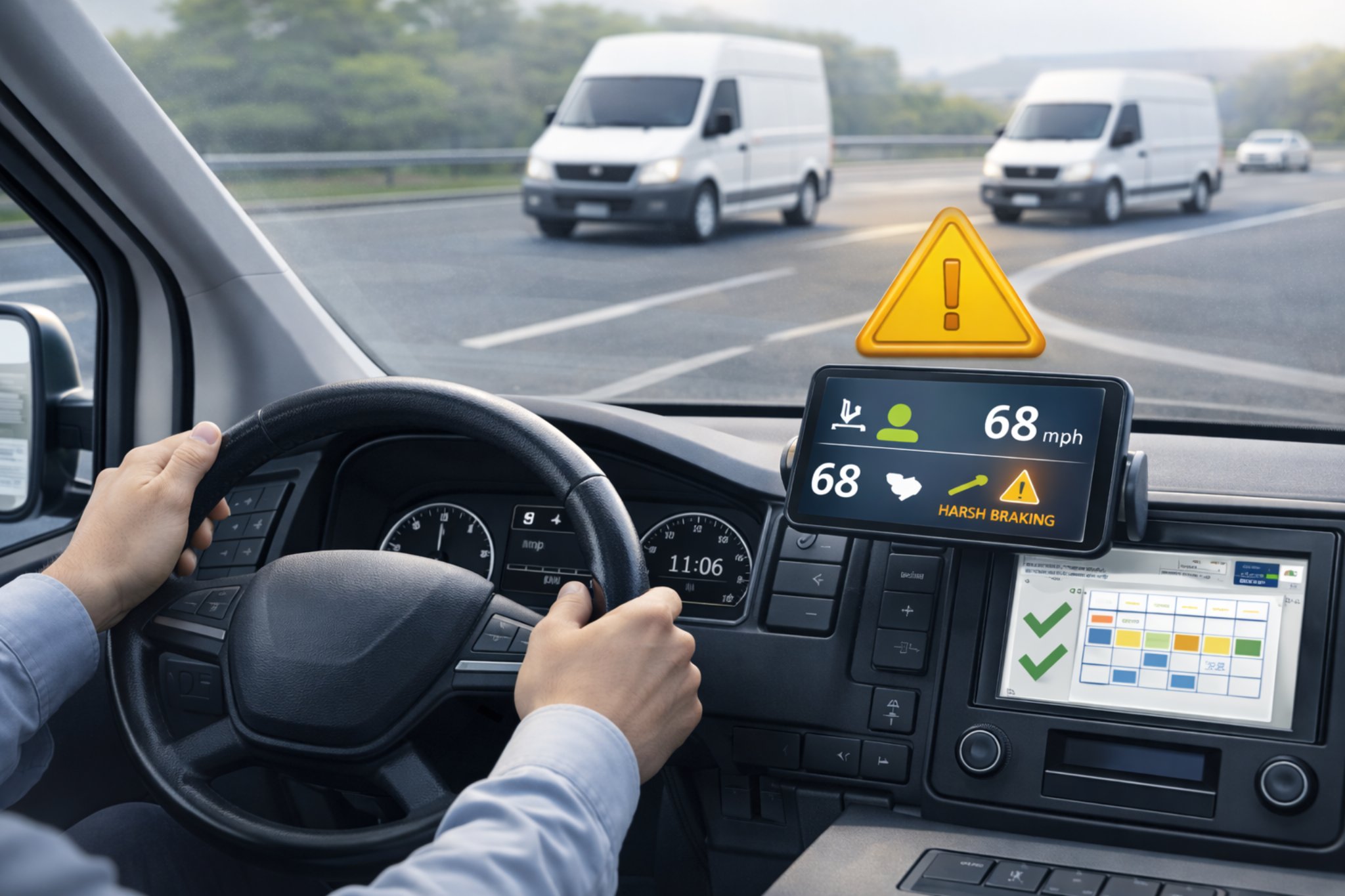
Many GPS tracking systems collect driver behavior data such as speeding events, harsh braking, and excessive idling. Fleet managers use this information to identify risk patterns and improve driver safety practices.
Operational safety uses include:
- Monitoring speeding or aggressive driving behavior
- Identifying excessive idling that increases fuel costs
- Reviewing driving patterns following incidents
- Supporting driver coaching programs
- Improving accountability through objective data
Operational outcomes may include:
- Fewer safety incidents
- Reduced vehicle wear and tear
- Improved driver accountability
Maintenance Planning and Asset Health Monitoring
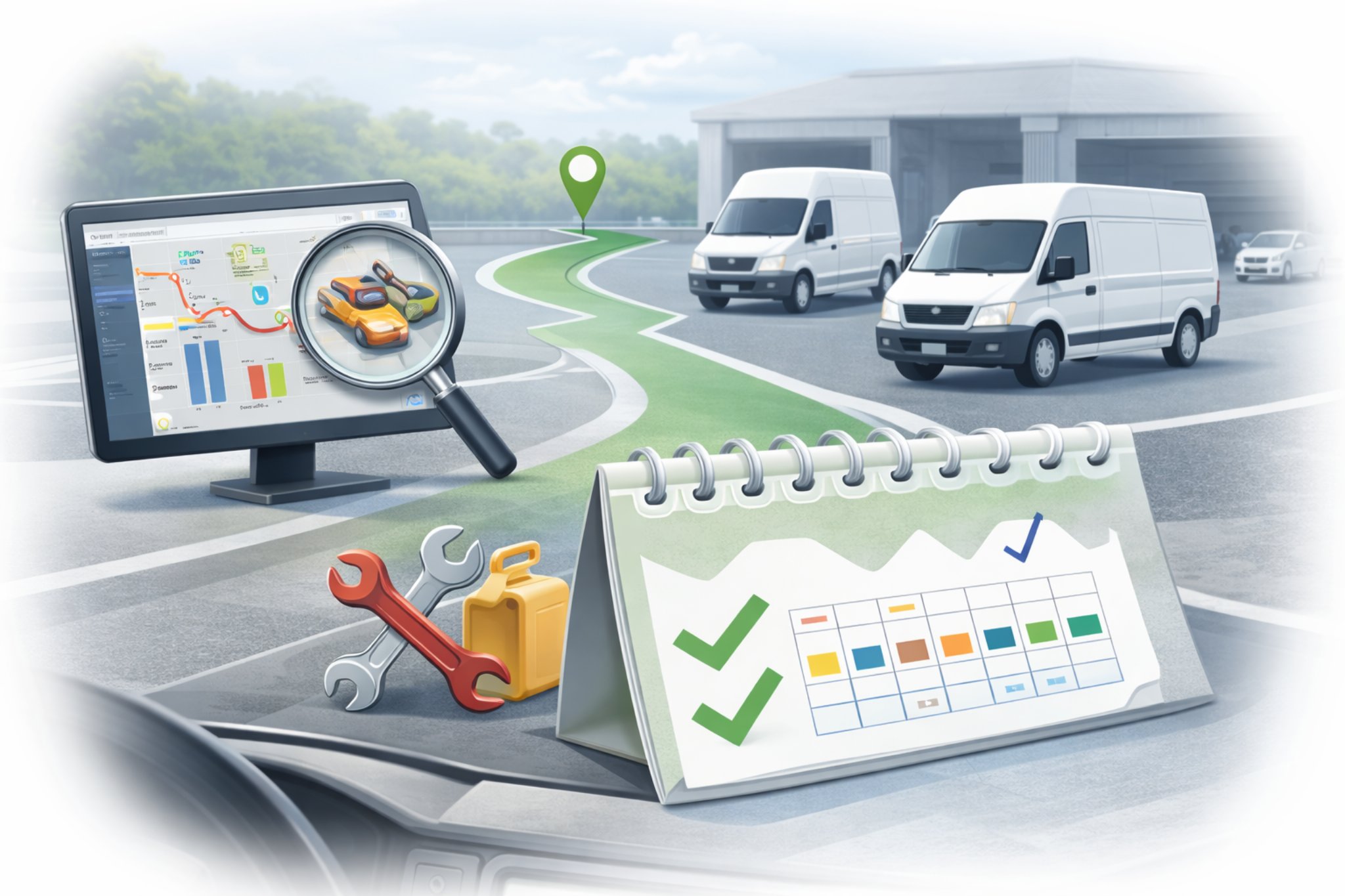
GPS tracking systems also generate operational data such as mileage and usage hours. This information supports more accurate maintenance scheduling.
Maintenance-related use cases include:
- Tracking vehicle mileage for service intervals
- Monitoring vehicle usage patterns across routes
- Supporting preventive maintenance scheduling
- Identifying underutilized or overused assets
- Improving maintenance planning accuracy
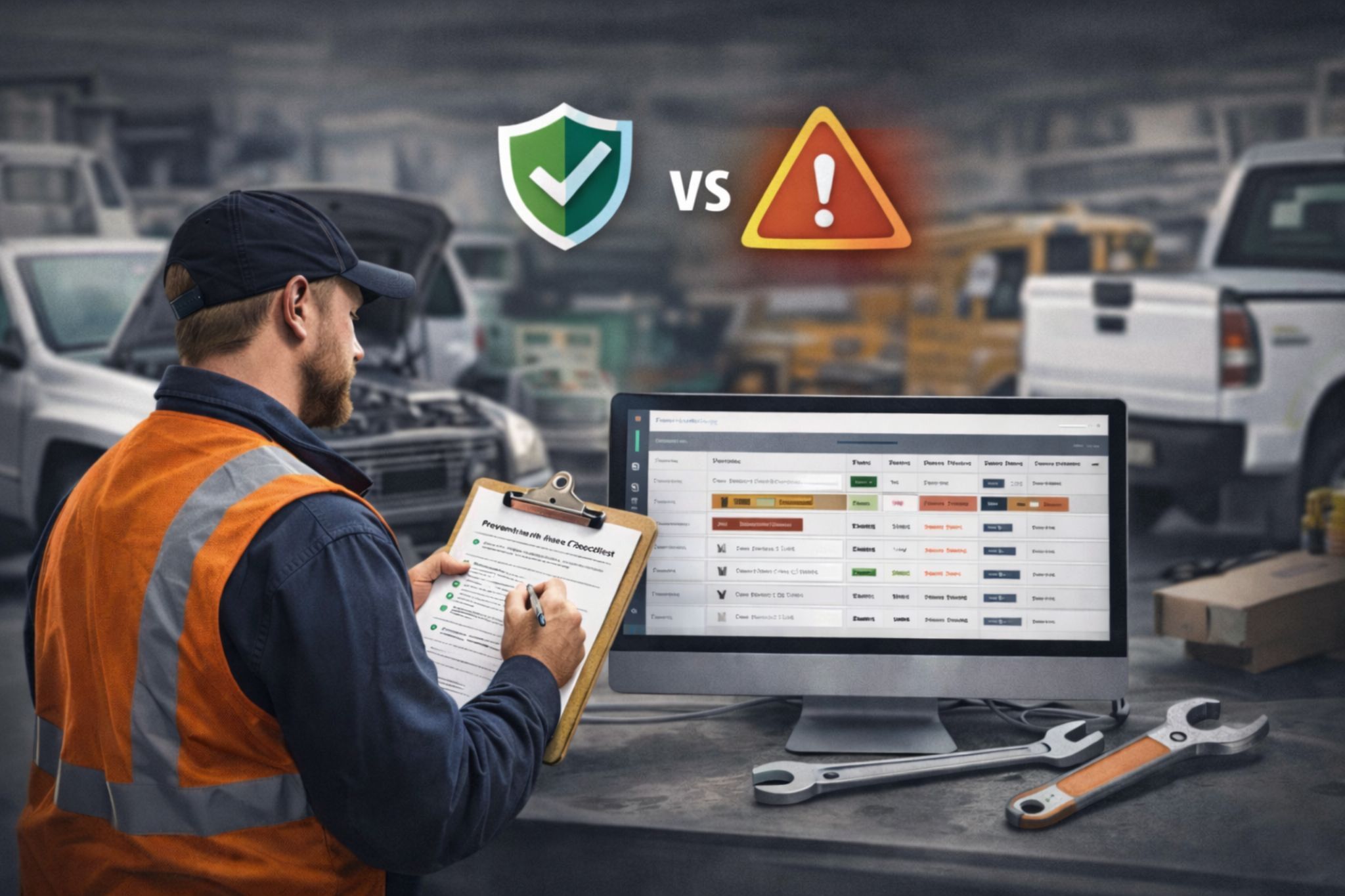
For example, fleets often combine tracking data with structured maintenance processes described in the preventative maintenance guide for fleet operations.
Operational outcomes include:
- More accurate maintenance scheduling
- Reduced unplanned downtime
- Longer vehicle service life
Theft Prevention and Asset Recovery
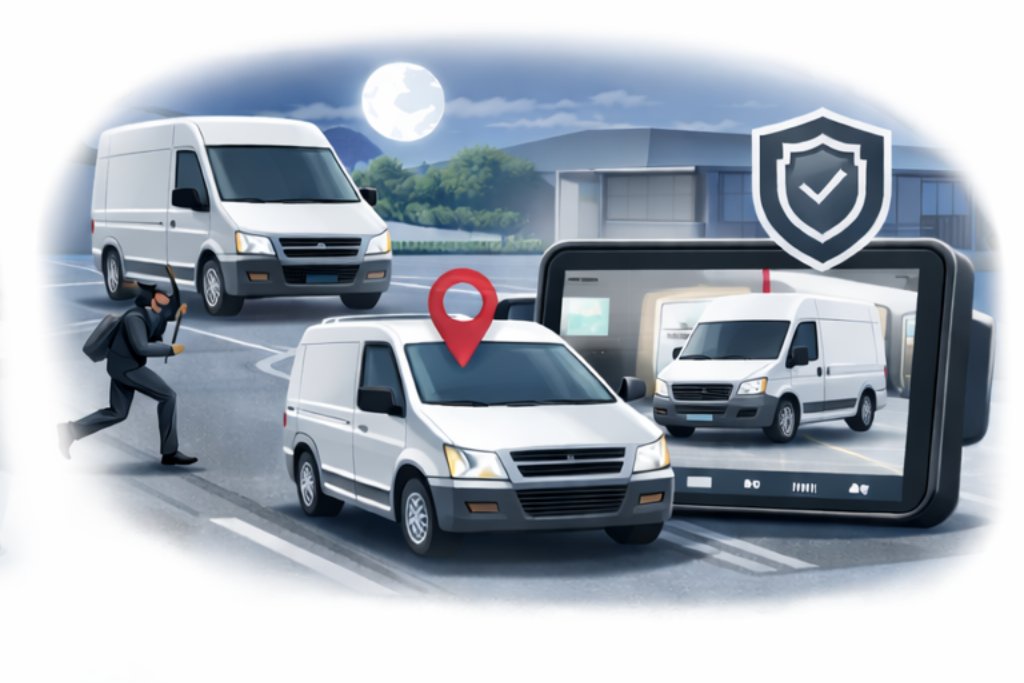
Fleet vehicles and equipment are valuable assets that may be exposed to theft or unauthorized use. GPS tracking provides an additional layer of security and monitoring.
Operational security uses include:
- Receiving alerts when vehicles leave defined geofenced areas
- Monitoring vehicles during off-hours operation
- Locating stolen vehicles quickly
- Supporting law enforcement recovery efforts
- Detecting unauthorized vehicle movement
Operational outcomes may include:
- Faster recovery of stolen assets
- Reduced theft-related losses
- Greater asset security visibility
Final Takeaways
GPS vehicle tracking supports multiple operational functions beyond simple vehicle location monitoring. When integrated into fleet workflows, it improves visibility, decision-making, safety oversight, and maintenance planning.
Key operational insights include:
- GPS tracking improves real-time visibility across the fleet.
- Route analysis helps fleets reduce delays and fuel consumption.
- Driver behavior monitoring supports safer fleet operations.
- Vehicle usage data improves preventive maintenance planning.
- Tracking systems help protect vehicles from theft and misuse.
AUTOsist Fleet Management Resources
Preventative Maintenance Guide for Fleet Operations
Fleet Telematics Integration Guide

Vehicle Inspection Checklist

GPS Fleet Tracking and Telematics