Fleet Total Cost of Ownership
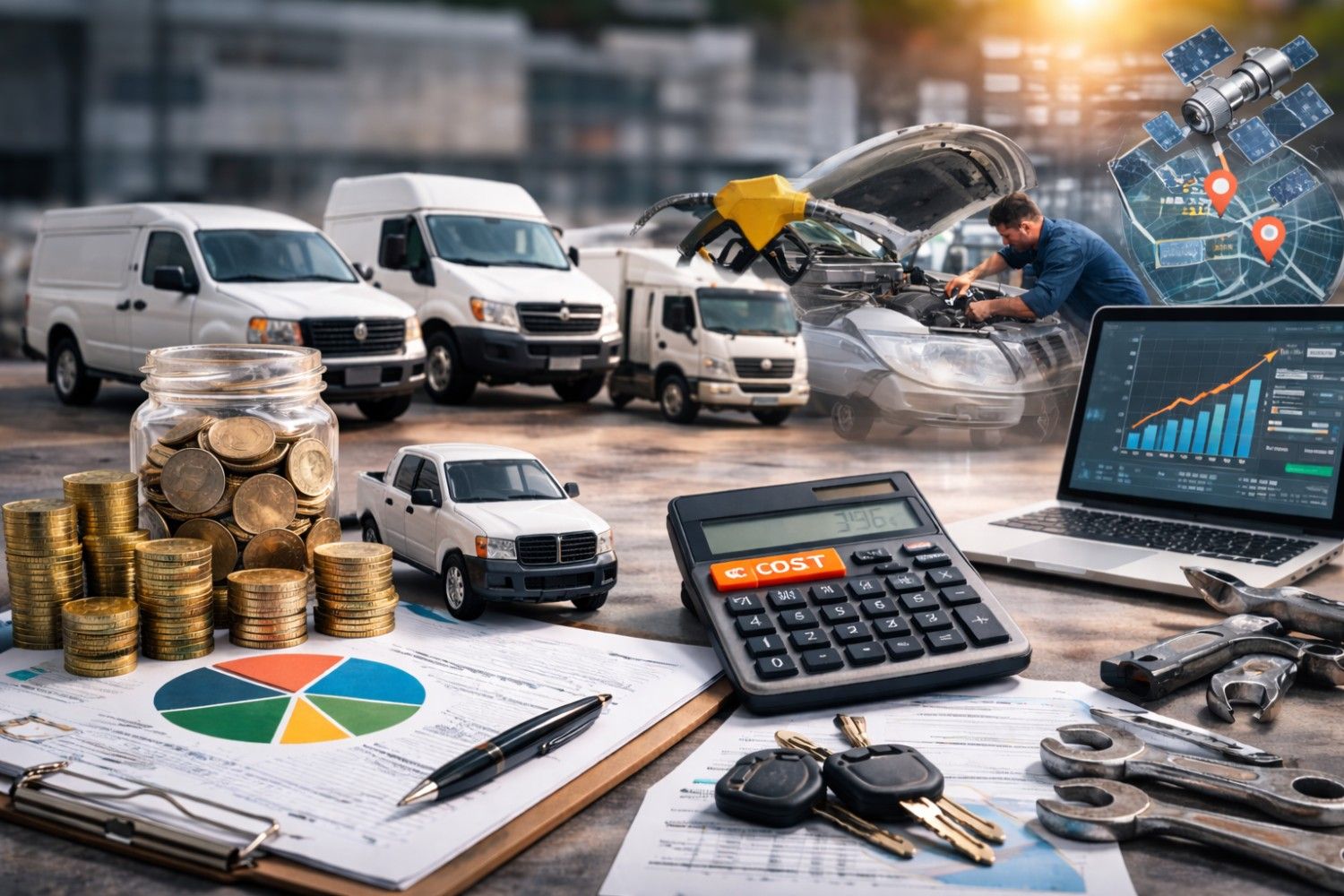
Fleet total cost of ownership (TCO) represents the complete lifecycle cost of operating fleet vehicles, including acquisition, fuel, maintenance, downtime, and administrative expenses. Understanding TCO helps fleet managers make informed decisions about vehicle procurement, maintenance strategies, and operational efficiency.
Operational Metrics Used in Fleet TCO Analysis
| Metric | What It Measures | Operational Insight | Typical Use |
|---|---|---|---|
| Cost Per Mile | Total cost vs distance | Operating efficiency | Budget tracking |
| Maintenance Cost Per Vehicle | Repair spend per asset | Maintenance efficiency | Cost control |
| Fuel Cost Per Vehicle | Fuel spend by asset | Fuel efficiency | Fleet comparison |
| Downtime Cost | Financial impact of idle vehicles | Operational disruption | Risk assessment |
| Asset Utilization Rate | Vehicle usage level | Productivity | Fleet sizing |
Vehicle Purchase Price vs Total Cost of Ownership
Vehicle Purchase Price
- One-time upfront cost
- Easy to compare between models
- Often used in procurement decisions
- Does not reflect lifecycle expenses
Total Cost of Ownership
- Includes lifetime operational costs
- Reflects maintenance, fuel, and depreciation
- Provides accurate asset lifecycle cost
- Supports long-term fleet budgeting
Core Cost Components That Make Up Fleet Total Cost of Ownership
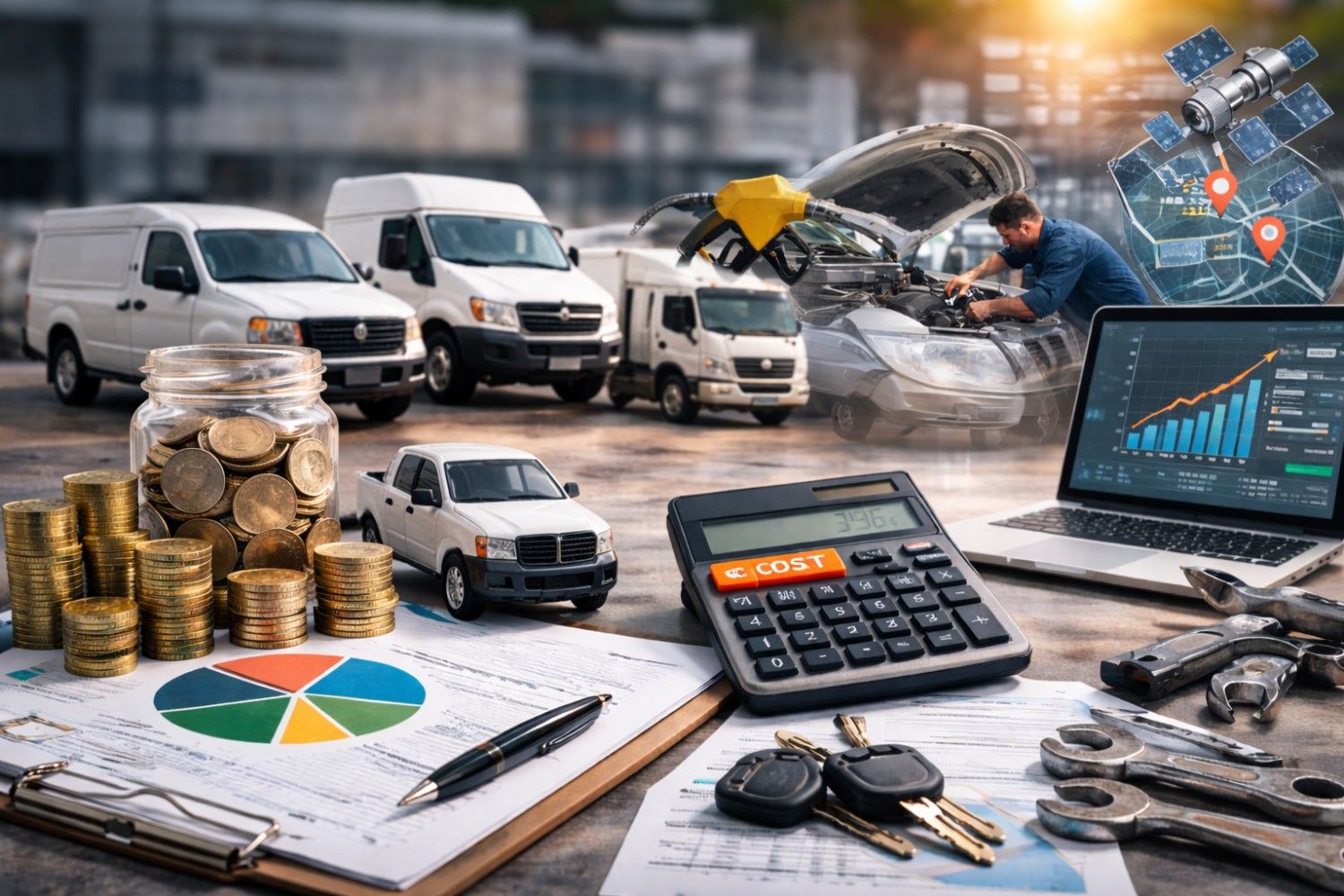
Fleet total cost of ownership includes multiple operational cost categories that accumulate throughout a vehicle's lifecycle. Fleet managers evaluate these cost components together to determine the real financial impact of fleet operations.
- Vehicle acquisition costs including purchase price or lease payments
- Fuel consumption expenses driven by mileage and route conditions
- Maintenance and repair costs across the asset lifecycle
- Insurance, registration, and regulatory compliance expenses
- Depreciation as vehicle value declines over time
Operational visibility into these costs helps organizations control budgets and identify opportunities to improve fleet efficiency.
Key operational outcomes
- Clear understanding of cost drivers
- Improved lifecycle planning
- Better budgeting decisions

Direct vs Indirect Fleet Ownership Costs
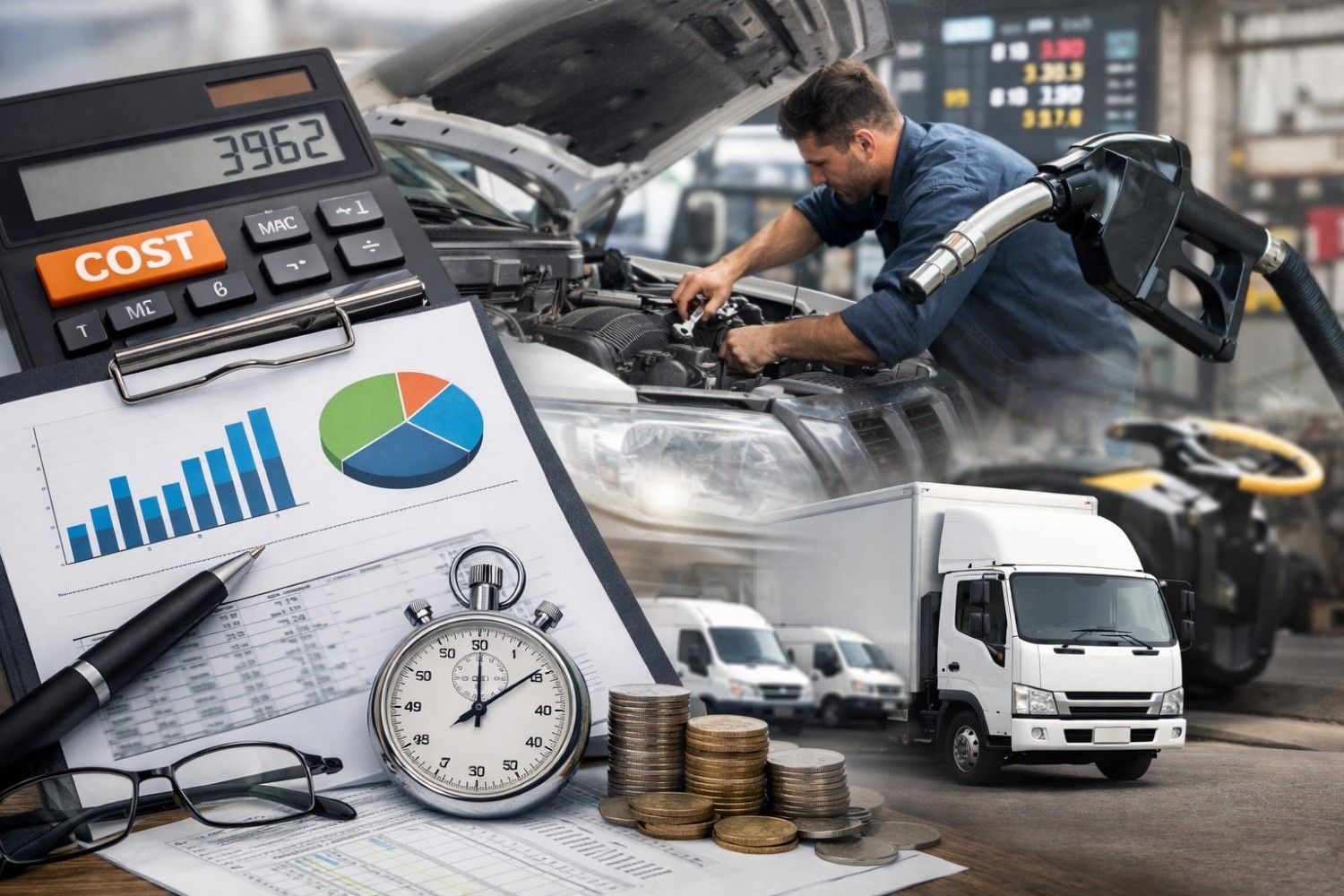
Fleet ownership costs include both visible expenses and operational costs that may not immediately appear in financial reports. Understanding the difference helps fleet managers build a more accurate TCO model.
- Direct costs such as fuel, maintenance, insurance, and vehicle acquisition
- Indirect costs including downtime, administrative labor, and operational delays
- Driver behavior impacts that influence fuel and maintenance expenses
- Scheduling inefficiencies that increase asset idle time
- Compliance or inspection failures that result in operational disruptions
For additional context on operational cost drivers, fleet managers often review guidance related to hidden costs of poor fleet maintenance to understand how maintenance practices affect long-term expenses.
Operational implications
- Hidden costs often exceed visible expenses
- Downtime can significantly impact fleet productivity
How Fleet Managers Calculate Total Cost of Ownership
Fleet managers calculate total cost of ownership by consolidating cost data across vehicle lifecycle stages. This analysis typically combines financial records, operational metrics, and asset performance data.
- Identify acquisition costs including purchase or lease payments
- Track ongoing operating costs such as fuel and maintenance
- Measure depreciation across the vehicle lifecycle
- Calculate cost per mile or cost per operating hour
- Factor downtime and productivity losses into cost models
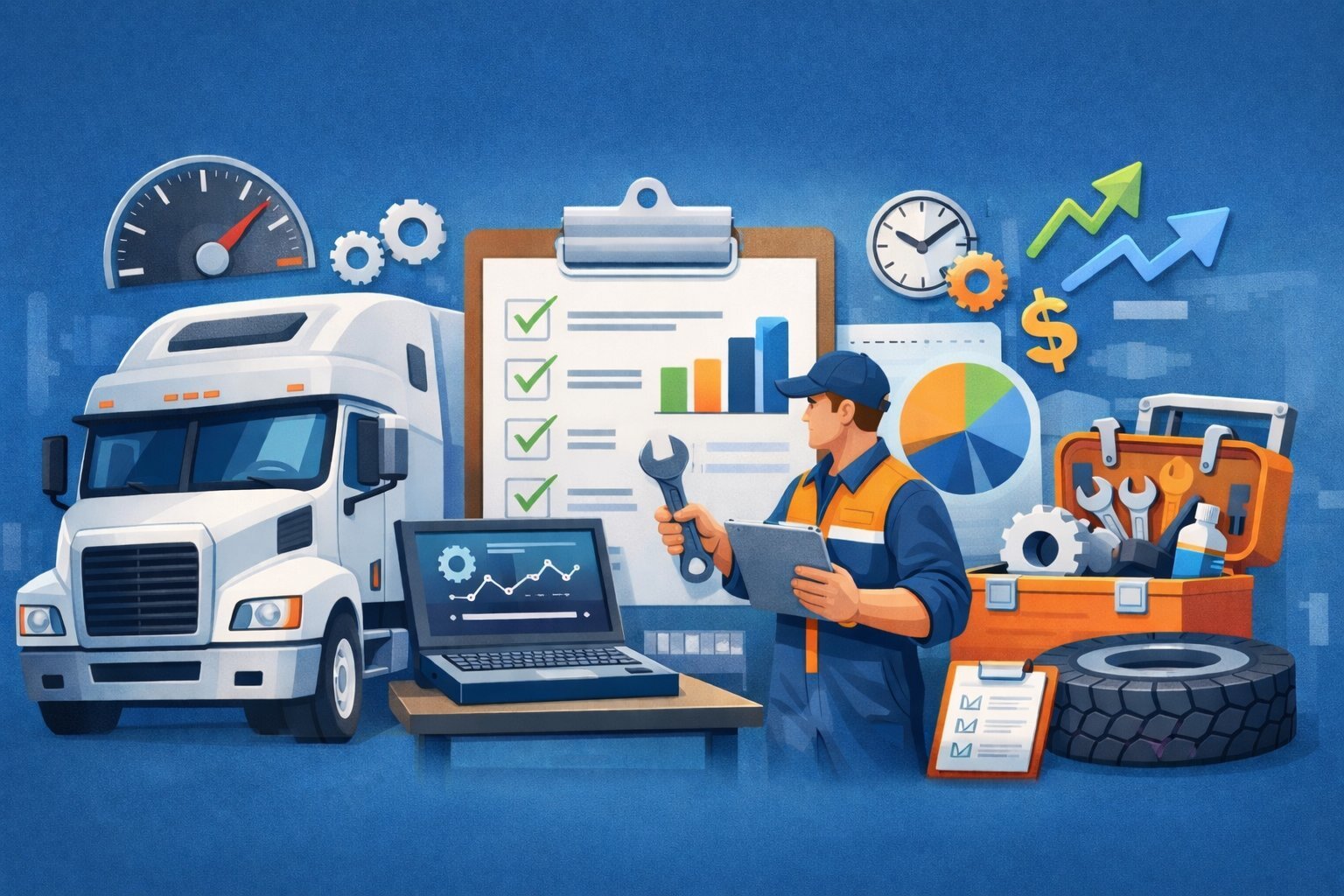
Structured reporting is essential for performing these calculations consistently. Many fleets rely on fleet maintenance KPIs with formulas to standardize cost and performance metrics across vehicles.
Key benefits of structured TCO analysis
- Accurate lifecycle cost visibility
- Better asset replacement decisions
- Improved budget forecasting

Using Fleet Data to Monitor and Reduce Total Cost of Ownership
Once TCO is measured, fleet managers use operational data to reduce unnecessary expenses and improve asset efficiency. Data visibility allows teams to identify cost patterns and address operational inefficiencies.
- Track vehicle service records to identify recurring maintenance issues
- Monitor fuel usage trends across vehicles and routes
- Analyze asset utilization to identify underused vehicles
- Use reporting dashboards to monitor cost per mile or cost per vehicle
- Compare performance metrics across fleet segments
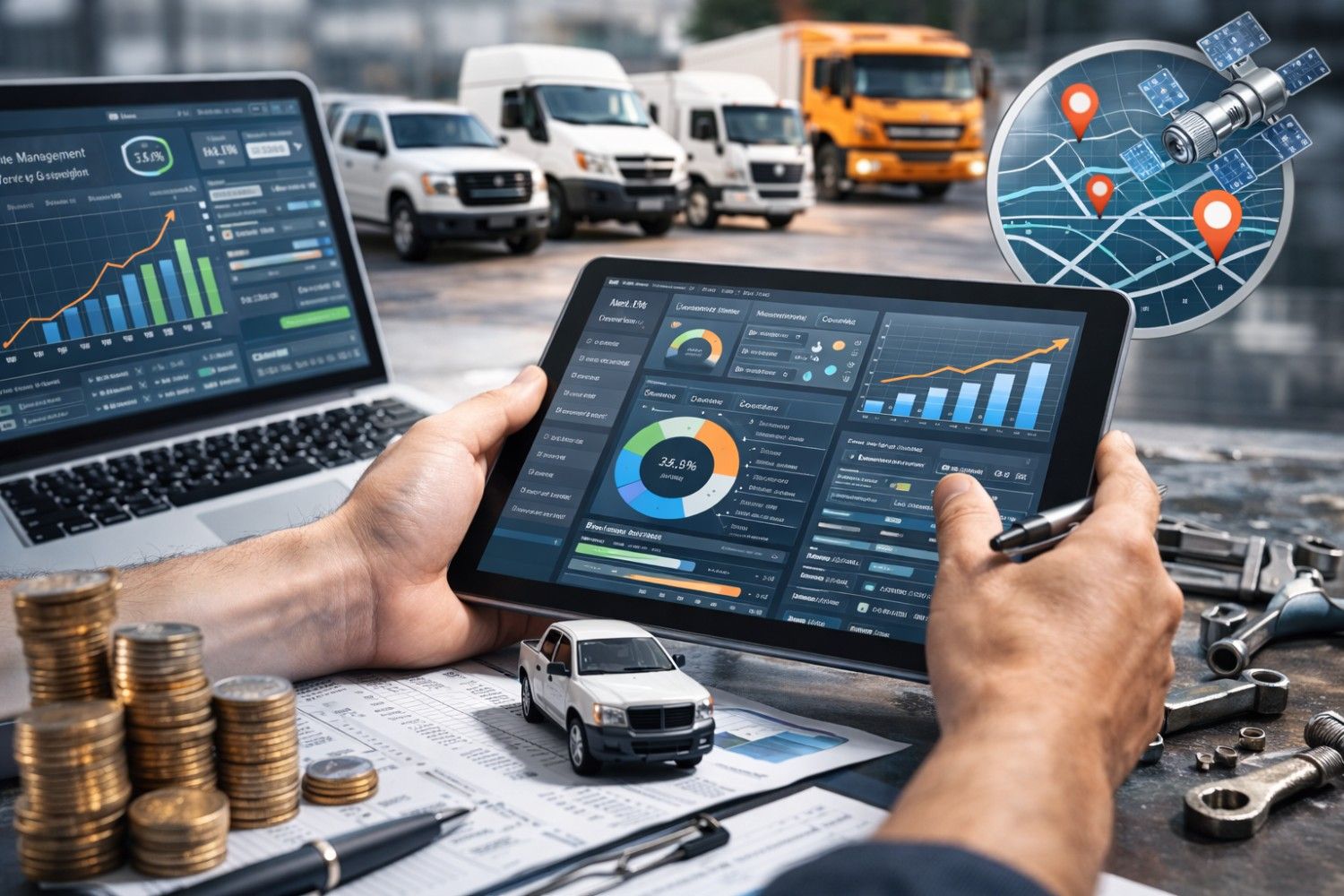
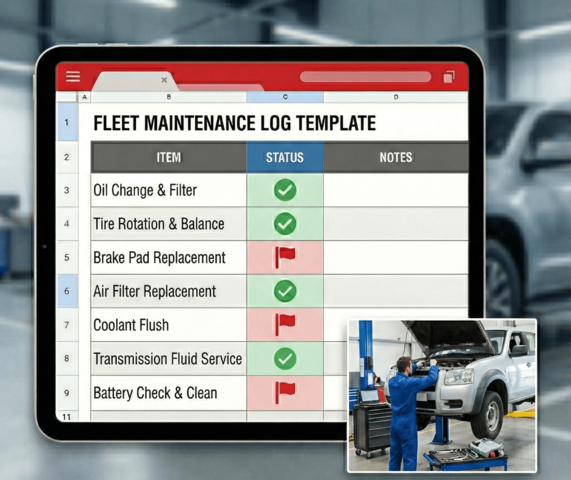
Digital systems such as fleet reports and dashboard tools help fleet teams consolidate operational data and identify cost trends in real time. Fleet teams also use a fleet maintenance log Excel template to organize service records and support cost analysis across the vehicle lifecycle.
Operational improvements
- Faster identification of cost anomalies
- Better maintenance planning
- Improved asset lifecycle decisions
Where AUTOsist Fits
Managing fleet total cost of ownership requires accurate data across vehicles, drivers, maintenance activity, and operational metrics. Fleet management systems help centralize this information so fleet managers can analyze cost drivers more effectively.
AUTOsist supports TCO visibility through operational tools such as fleet maintenance work order software, which helps track maintenance expenses and service history across vehicles.
Key operational capabilities include:
- Centralized vehicle service history tracking
- Maintenance cost tracking through digital work orders
- Fuel, inspection, and asset usage visibility
- Fleet reporting dashboards for operational insights
- Mobile access for field maintenance and inspections
These capabilities help fleets measure costs accurately and improve cost control across the vehicle lifecycle.
Final Takeaways
Fleet total cost of ownership provides a comprehensive view of the financial impact of fleet operations. Instead of focusing only on vehicle purchase price, fleet managers analyze lifecycle costs across fuel, maintenance, depreciation, and operational efficiency.
Key practical insights include:
- TCO provides a more accurate view of fleet expenses than purchase price alone.
- Maintenance, fuel, and downtime are major drivers of lifecycle cost.
- Metrics such as cost per mile help fleets measure operational efficiency.
- Data visibility enables fleets to identify and reduce unnecessary expenses.
- Centralized fleet management systems improve cost tracking and reporting.
AUTOsist Fleet Management Resources

Hidden Costs of Poor Fleet Maintenance
Fleet Maintenance KPIs with Formulas
Fleet Maintenance Log Excel Template
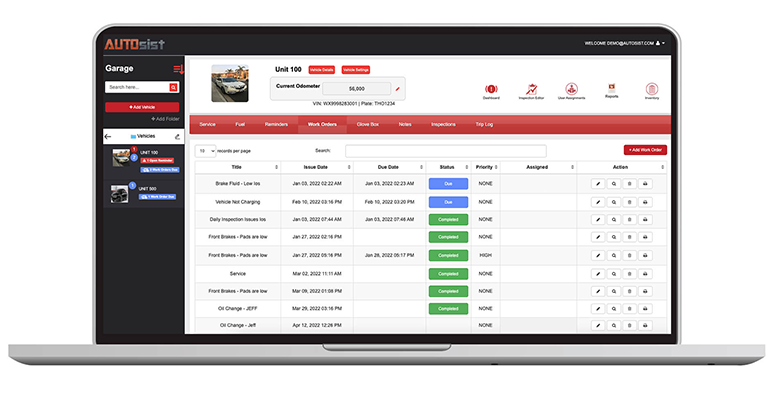
Fleet Maintenance Work Order Software