Fleet Tracking Solutions for Operational Fleet Management
Fleet tracking solutions enable fleet managers to monitor vehicle location, activity, and operational performance using GPS and telematics technologies. These systems provide real-time visibility into fleet movements and operational data, helping organizations improve dispatch coordination, driver safety oversight, and asset utilization across their fleet operations.
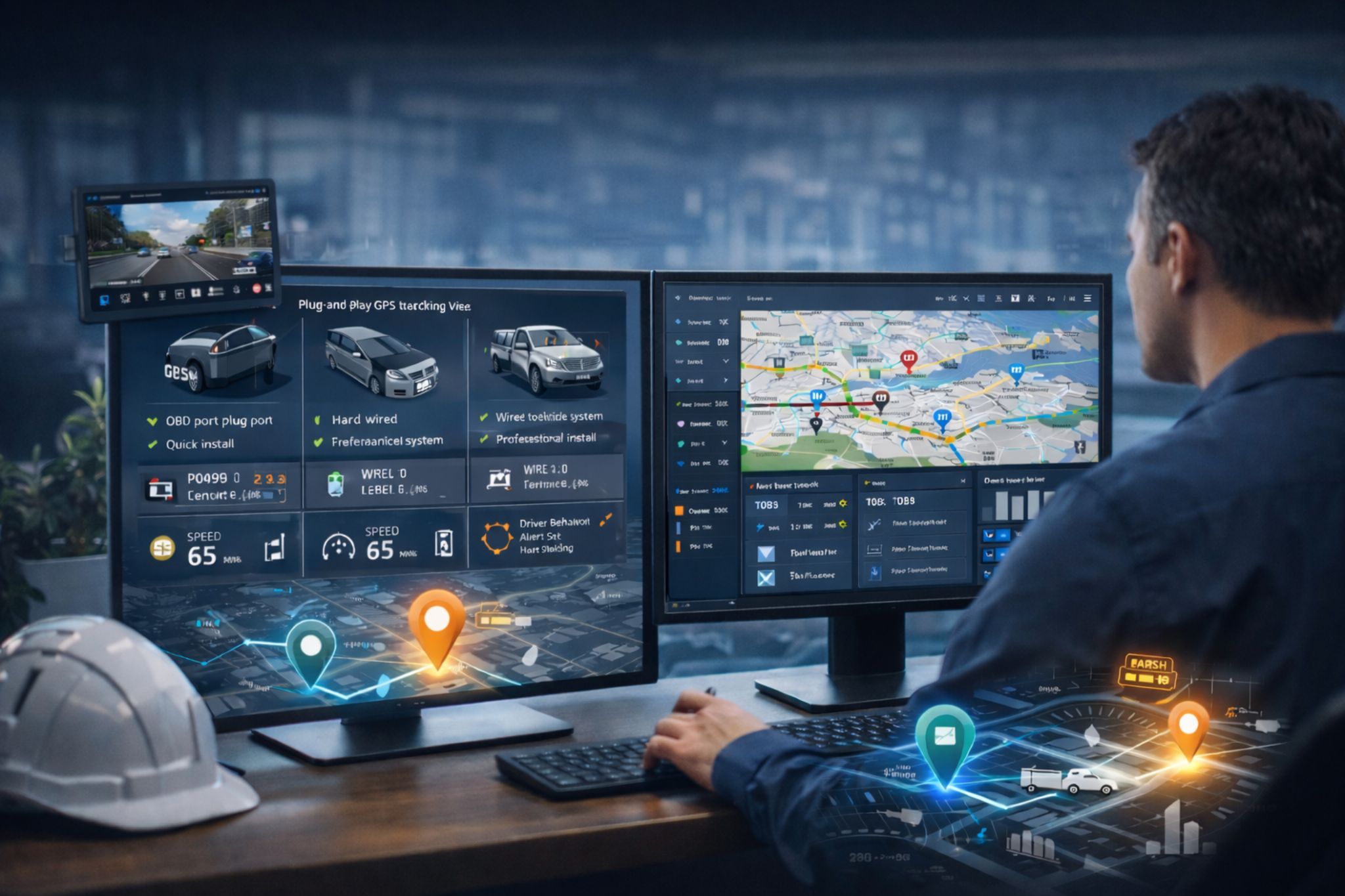
Fleet Tracking Data Categories
| Data Category | Example Metrics | Operational Purpose | Typical Users |
|---|---|---|---|
| Location Data | GPS coordinates | Dispatch visibility | Dispatch teams |
| Driver Behavior | Speeding, harsh braking | Safety oversight | Fleet managers |
| Vehicle Utilization | Idle time, engine hours | Productivity tracking | Operations teams |
| Route Data | Trip paths | Route optimization | Logistics planners |
| Diagnostic Data | Fault codes | Maintenance alerts | Maintenance teams |
Plug-and-Play GPS Tracking Devices vs Hardwired Telematics Systems
Plug-and-Play GPS Tracking Devices
Installation
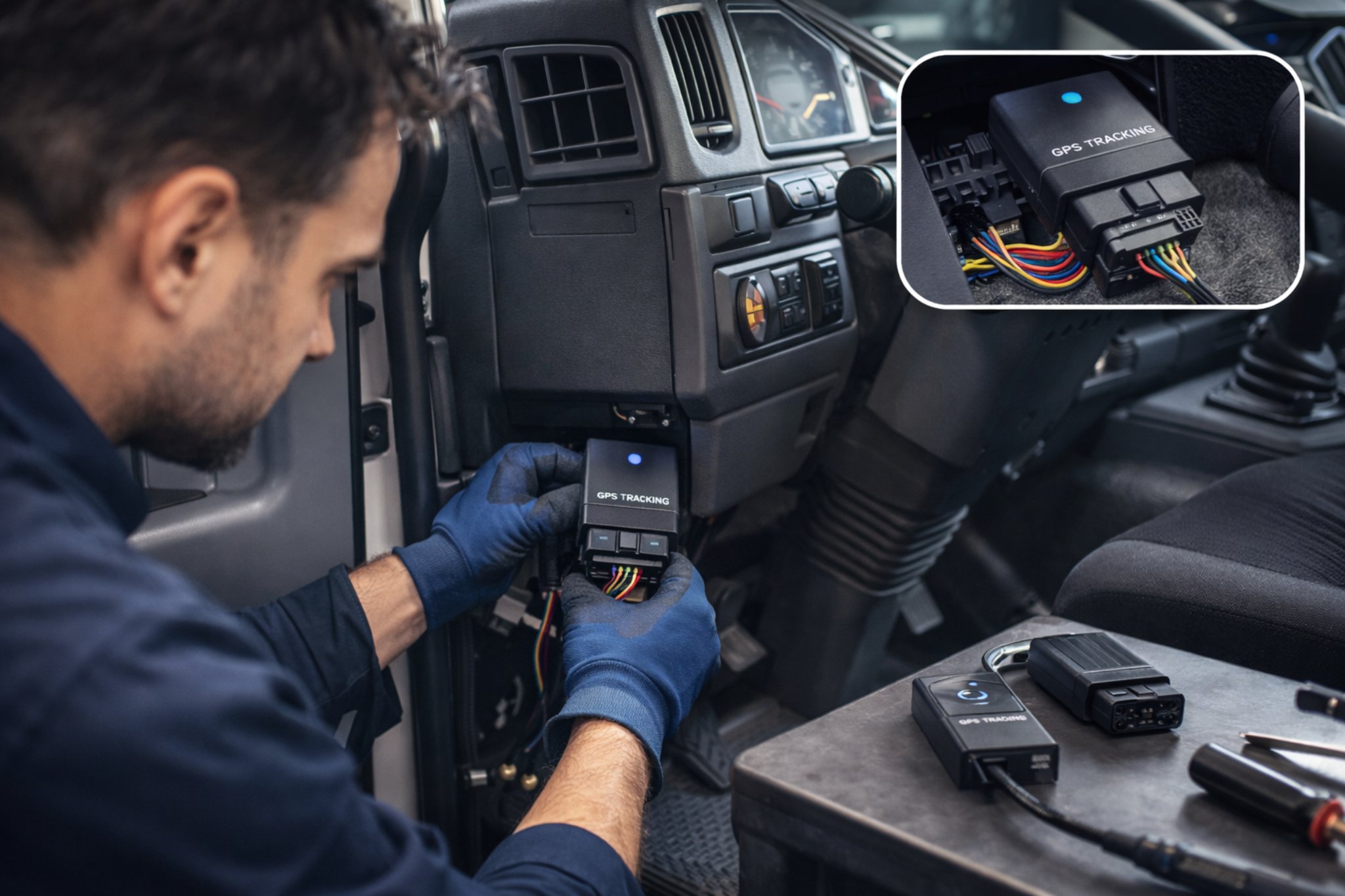
- OBD port plug-in installation
- No professional installation required
- Quick deployment across vehicles
Capabilities
- Basic real-time vehicle location tracking
- Trip history and route logs
- Limited vehicle diagnostics data
Hardwired Telematics Systems
Installation
- Installed directly into the vehicle electrical system
- Professional installation typically required
- Designed for permanent fleet deployments
Capabilities
- Continuous GPS tracking and telematics data
- Driver behavior monitoring
- Engine diagnostics and performance data
- Integration with fleet management systems
What Fleet Tracking Solutions Mean in Fleet Operations
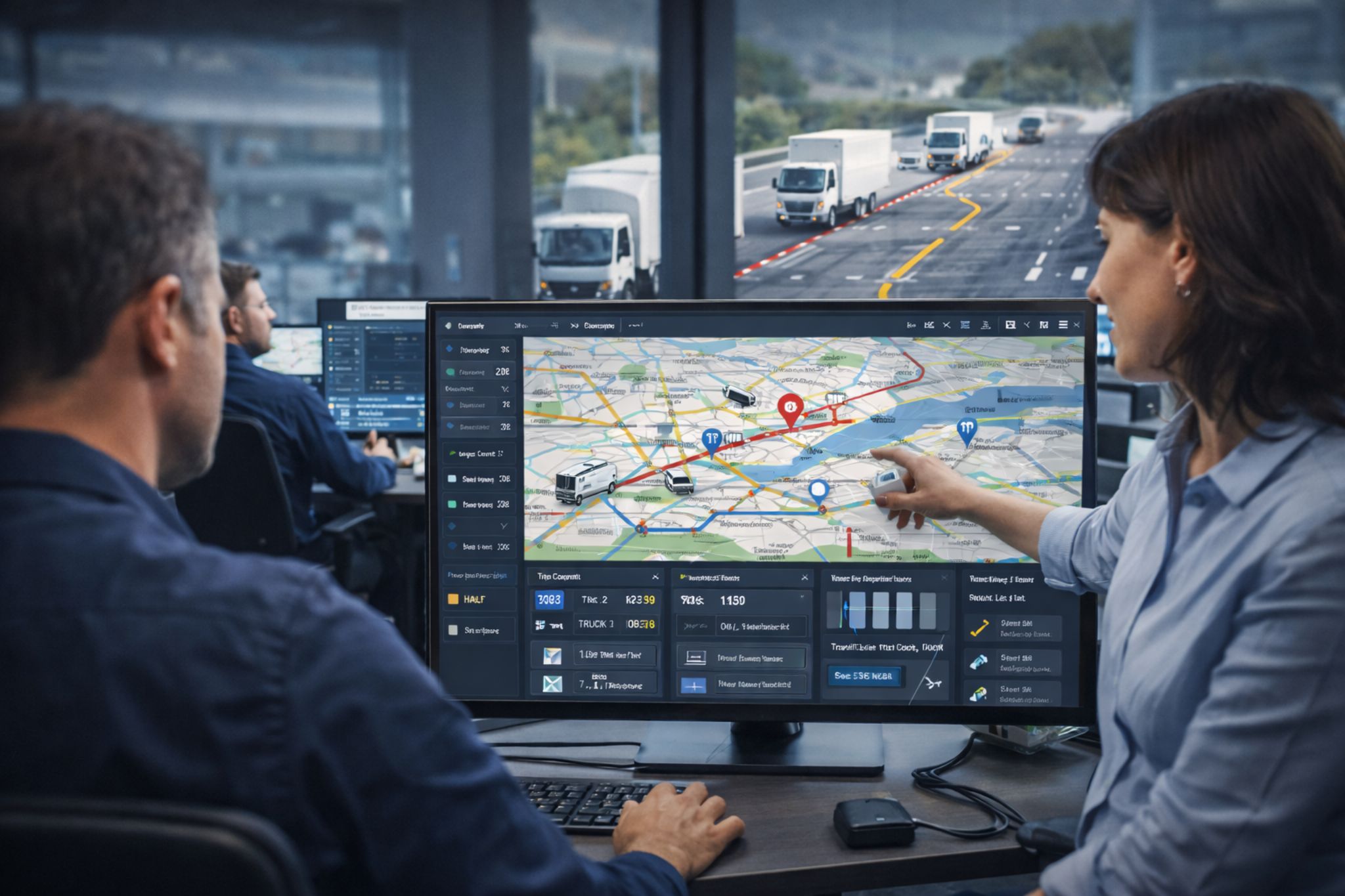
Fleet tracking solutions provide operational visibility into where vehicles are located, how they are being used, and how drivers are operating them. This information helps fleet managers coordinate dispatch activities, monitor operational performance, and maintain accountability across fleet operations.
Operational uses of fleet tracking systems typically include:
- Monitoring vehicle locations in real time
- Understanding vehicle utilization across routes and job assignments
- Tracking idle time and operational inefficiencies
- Identifying route delays or dispatch issues
- Reviewing trip history and activity records
These capabilities help fleets maintain better control over daily operations and improve overall coordination between dispatch teams, drivers, and operations staff.
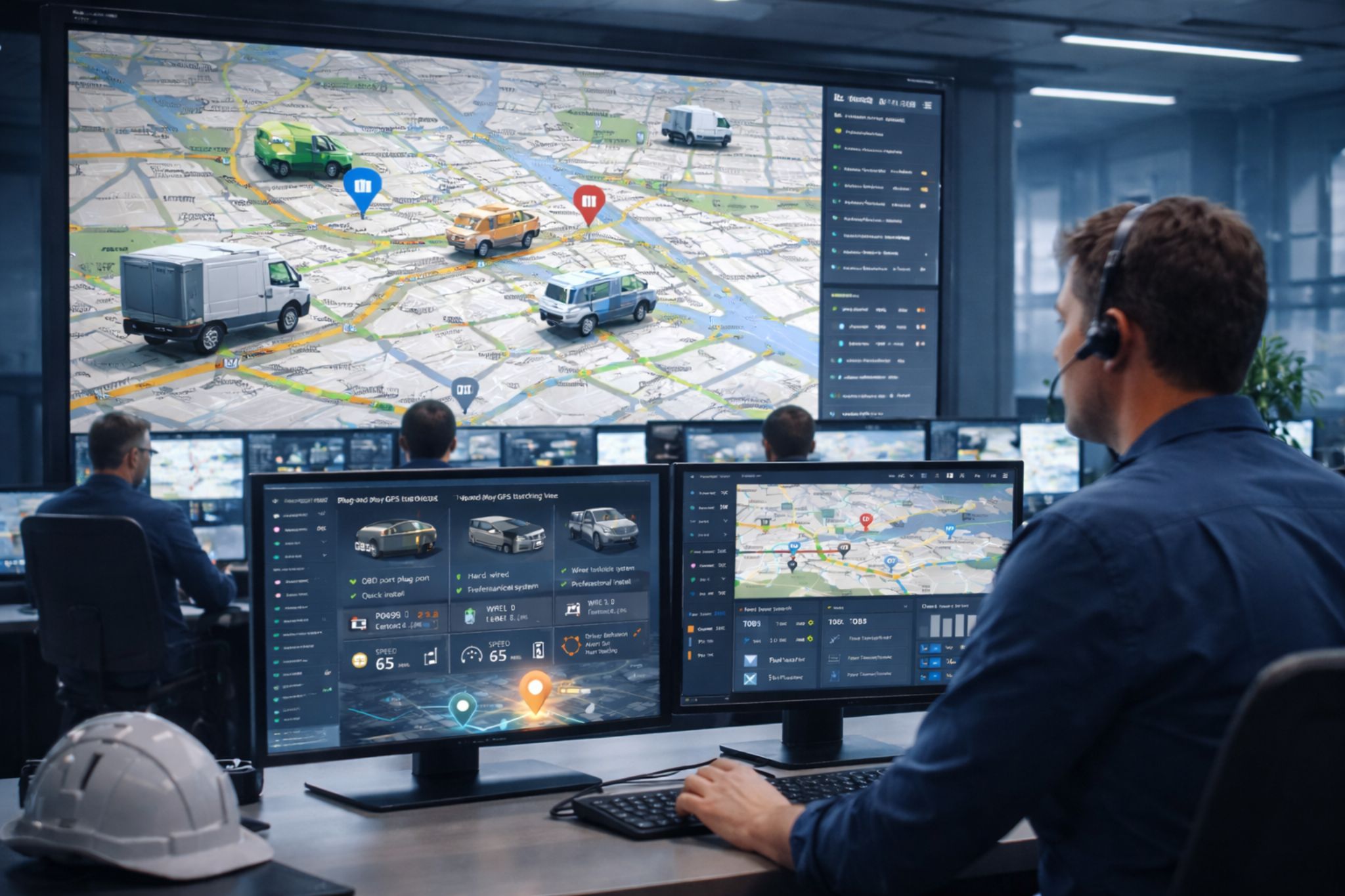
Core Components of a Fleet Tracking Solution
Fleet tracking systems rely on multiple technologies working together to capture, transmit, and analyze operational data. These systems typically include tracking hardware installed in vehicles, communication networks that transmit data, and software platforms that visualize fleet activity.
The primary components of a fleet tracking solution include:
- GPS or telematics devices installed in vehicles
- Cellular or satellite connectivity to transmit tracking data
- Fleet tracking dashboards used by dispatch and operations teams
- Data storage systems that record historical fleet activity
- Integration with fleet management software
Together, these components provide a centralized view of vehicle activity and operational performance across the fleet.
Operational Benefits of Fleet Tracking Solutions
When implemented across a fleet operation, tracking systems provide measurable operational improvements in fleet coordination, safety oversight, and vehicle utilization. Real-time data allows operations teams to respond quickly to issues and make more informed decisions about fleet activity.
Common operational benefits include:
- Improved dispatch coordination through real-time vehicle location
- Better route planning and reduced unnecessary mileage
- Increased visibility into driver behavior and safety risks
- Faster response to operational disruptions or delays
- Improved monitoring of vehicle utilization and idle time
These improvements contribute to more efficient fleet operations and more consistent operational performance.
Implementing Fleet Tracking Across a Fleet Operation
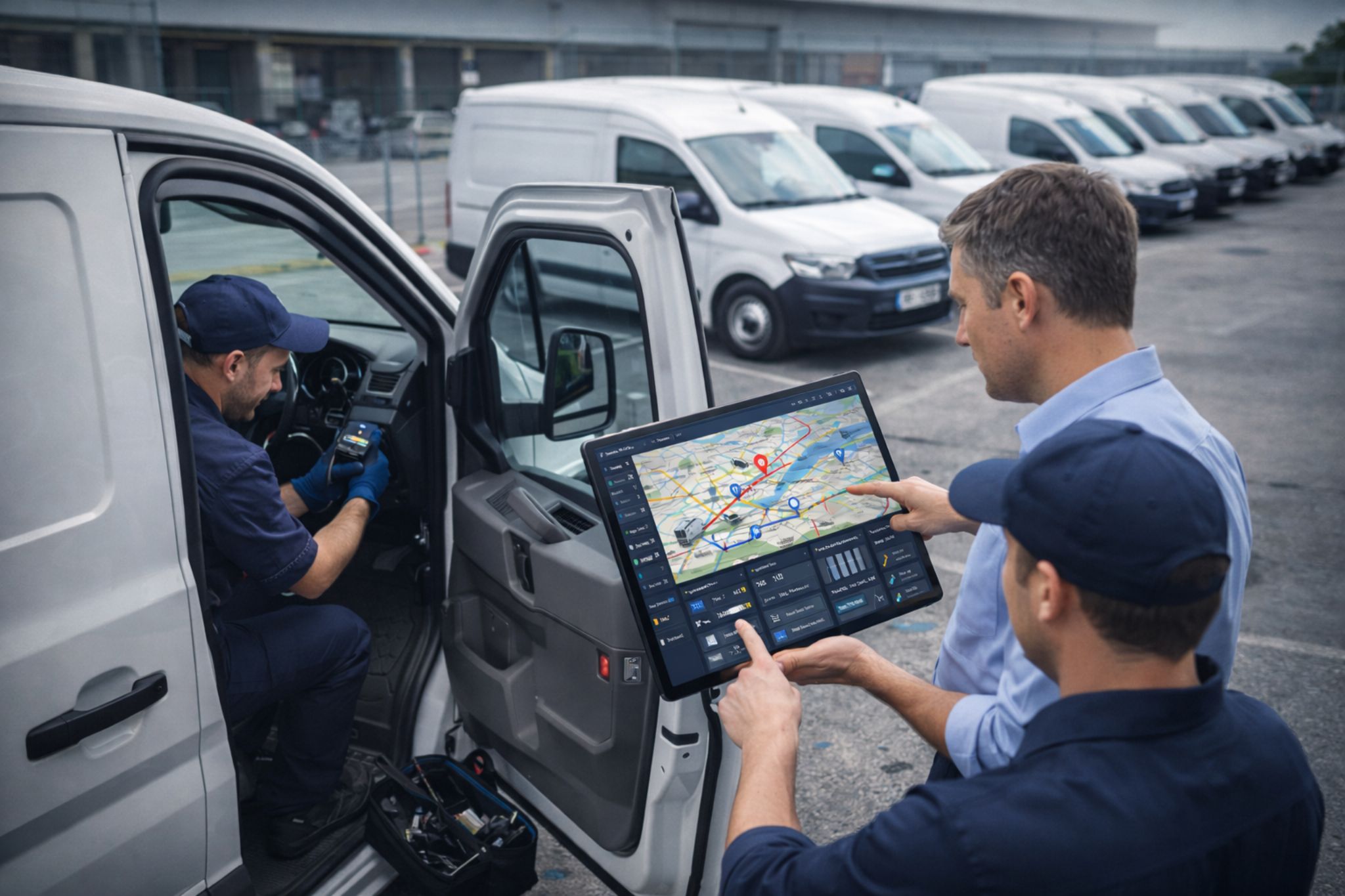
Deploying fleet tracking systems requires both technical installation and operational planning. Successful implementations typically involve selecting appropriate tracking devices, integrating tracking data into operational workflows, and establishing policies that define how tracking information will be used.
Important implementation considerations include:
- Selecting appropriate tracking hardware for the vehicle types in the fleet
- Ensuring connectivity coverage across operating regions
- Integrating tracking data with maintenance or fleet management systems
- Establishing driver communication and privacy policies
- Training dispatch and operations teams to use tracking dashboards
Careful implementation helps ensure that fleet tracking systems deliver reliable operational insights and support daily fleet management activities.
Data, Reporting, and Fleet Performance Visibility
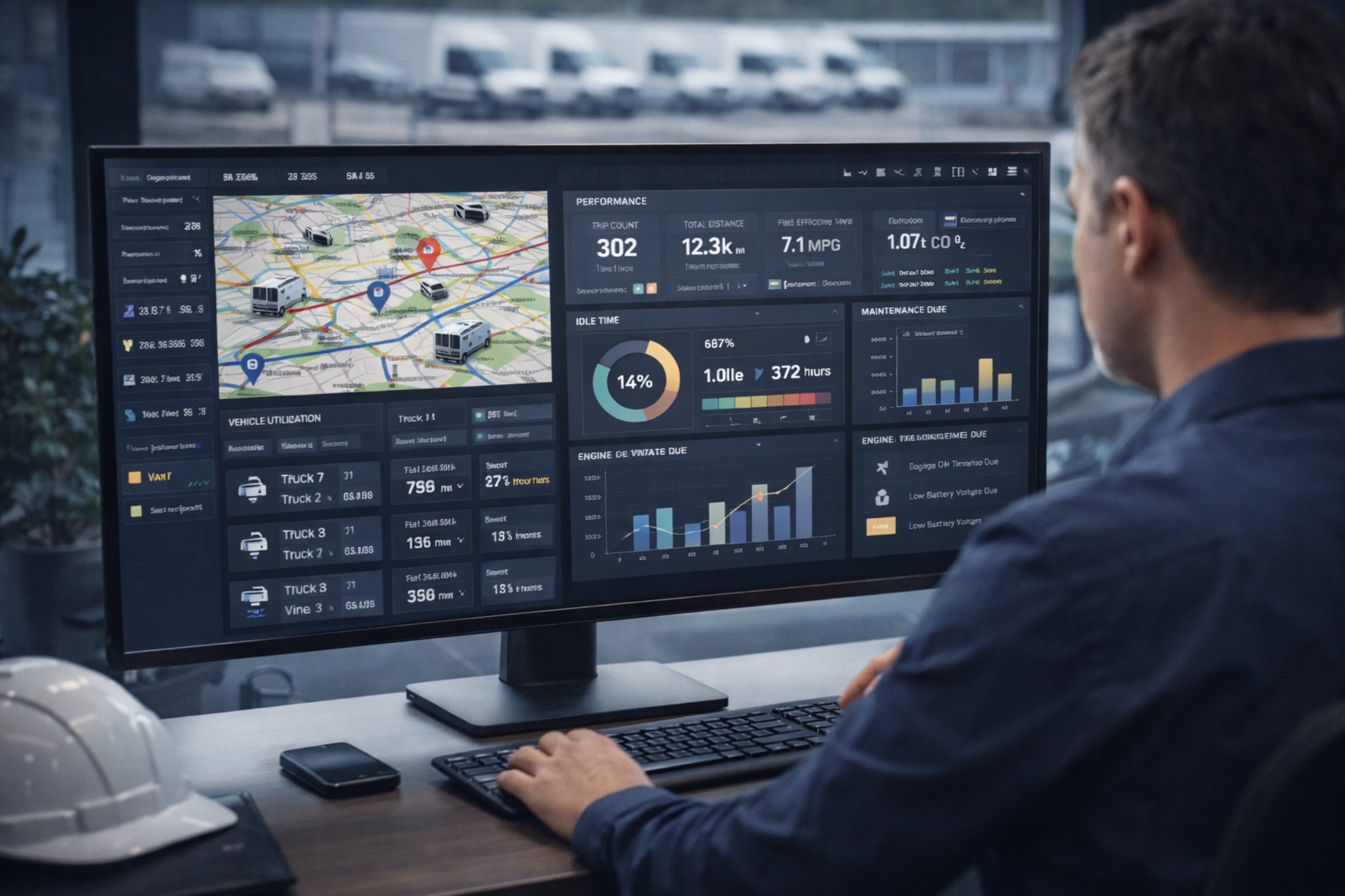
Fleet tracking systems generate operational data that can be analyzed to improve fleet performance and decision-making. Location data, trip history, driver behavior metrics, and utilization patterns can all contribute to better operational reporting.
Fleet teams commonly use tracking data to analyze:
- Vehicle utilization and operational productivity
- Route efficiency and travel patterns
- Driver safety performance and behavior trends
- Fleet activity across multiple locations or job sites
- Vehicle diagnostic alerts that may indicate maintenance needs
When tracking data is combined with maintenance records and inspection data, fleets gain a more complete understanding of both operational activity and vehicle health. Resources such as the GPS tracking for fleet management guide provide additional operational context for implementing tracking technologies within fleet environments.
Final Takeaways
Fleet tracking solutions provide the visibility needed to monitor vehicles, coordinate dispatch activities, and evaluate operational performance across a fleet. When combined with broader fleet management tools, tracking systems become a core component of modern fleet operations.
Key operational takeaways include:
- Fleet tracking systems provide real-time visibility into vehicle location and activity.
- Telematics data helps monitor driver behavior, vehicle utilization, and route performance.
- Tracking hardware options vary from simple plug-in devices to advanced telematics systems.
- Successful implementation requires both technical deployment and operational policies.
- Integrating tracking data with fleet management systems improves overall operational visibility.
AUTOsist Fleet Management Resources
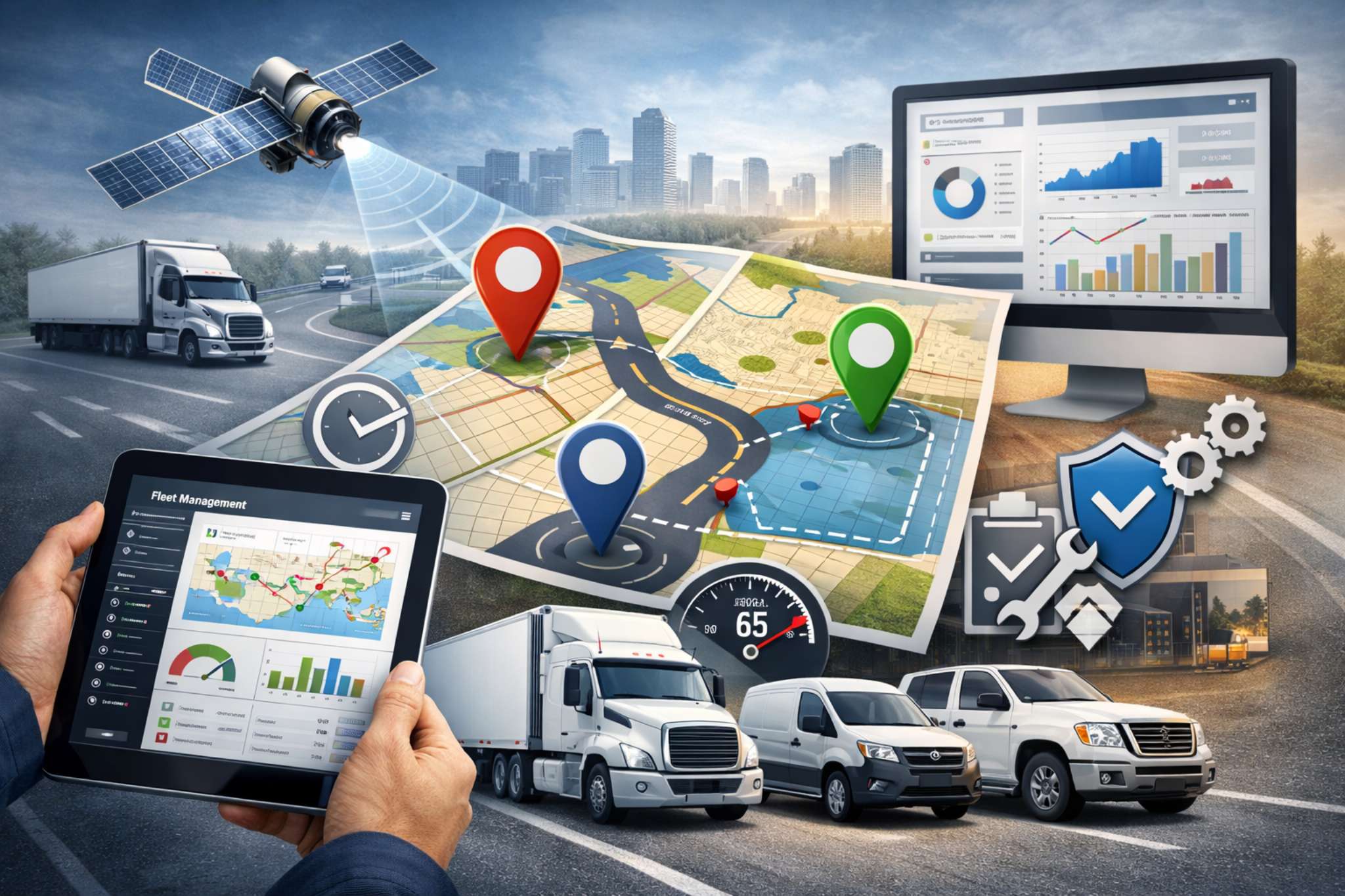
GPS Tracking for Fleet Management
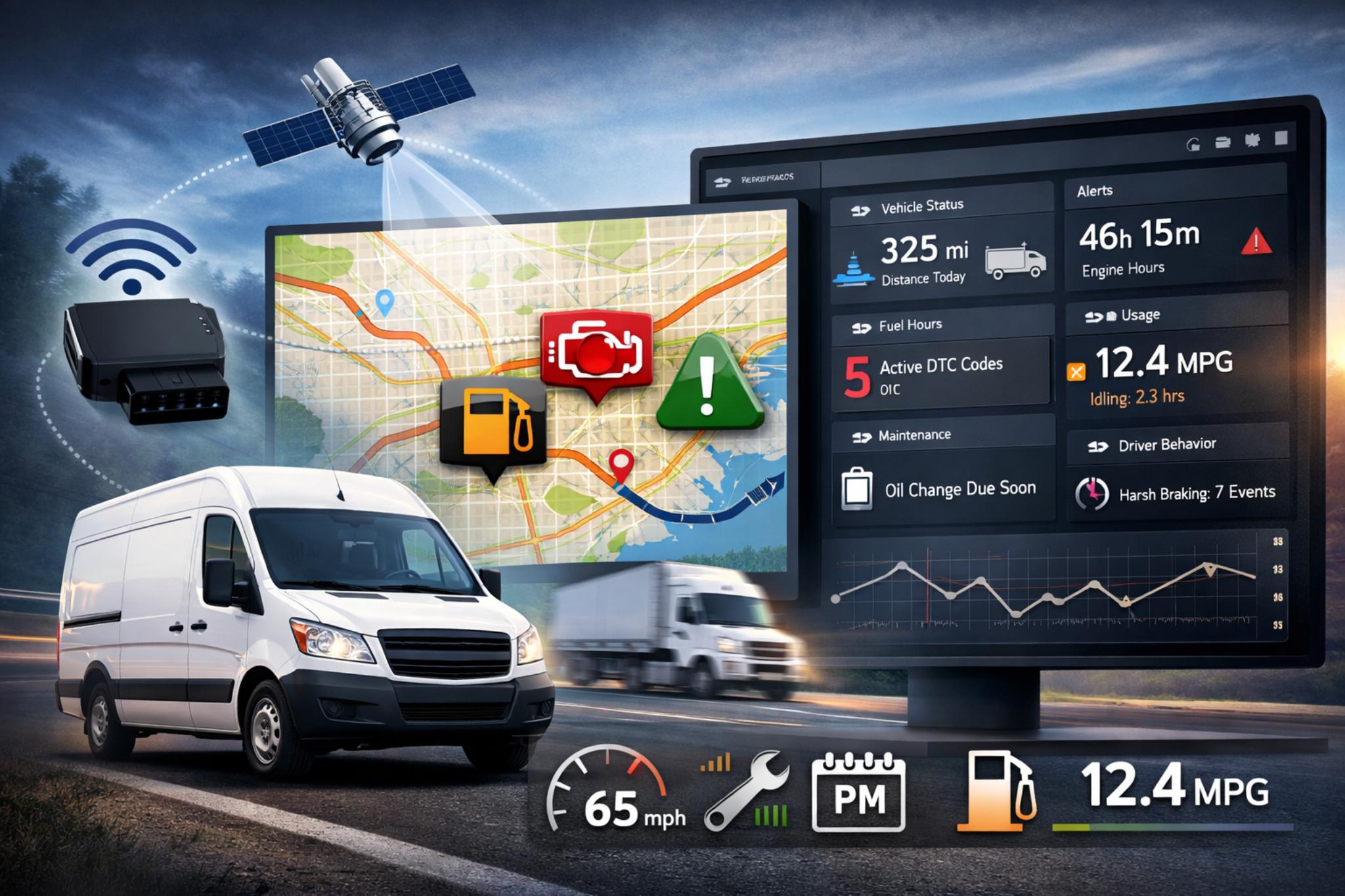
Fleet Telematics Integration Guide
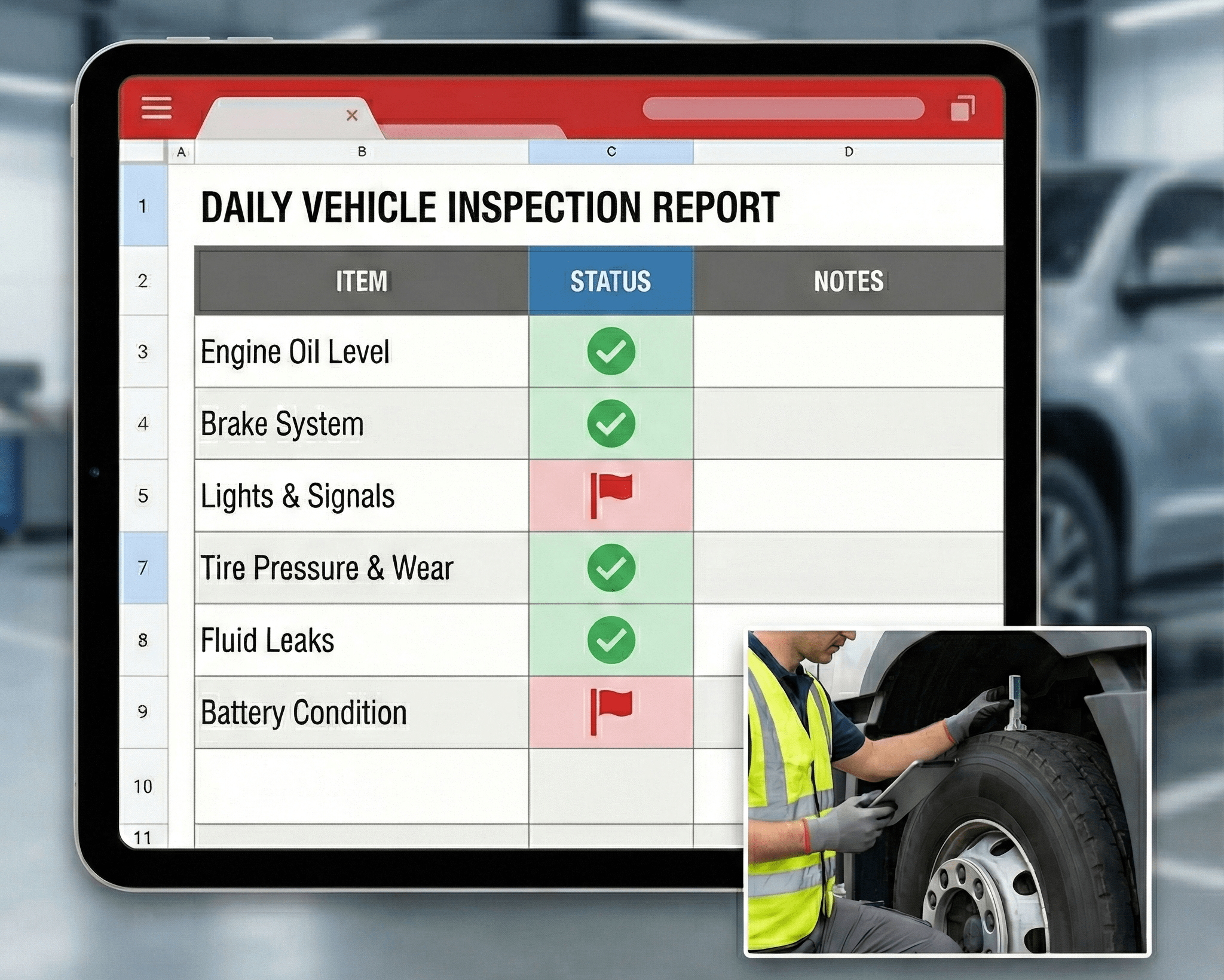
Daily Vehicle Inspection Checklist

Fleet GPS Tracking Software