Fleet Optimization Strategies
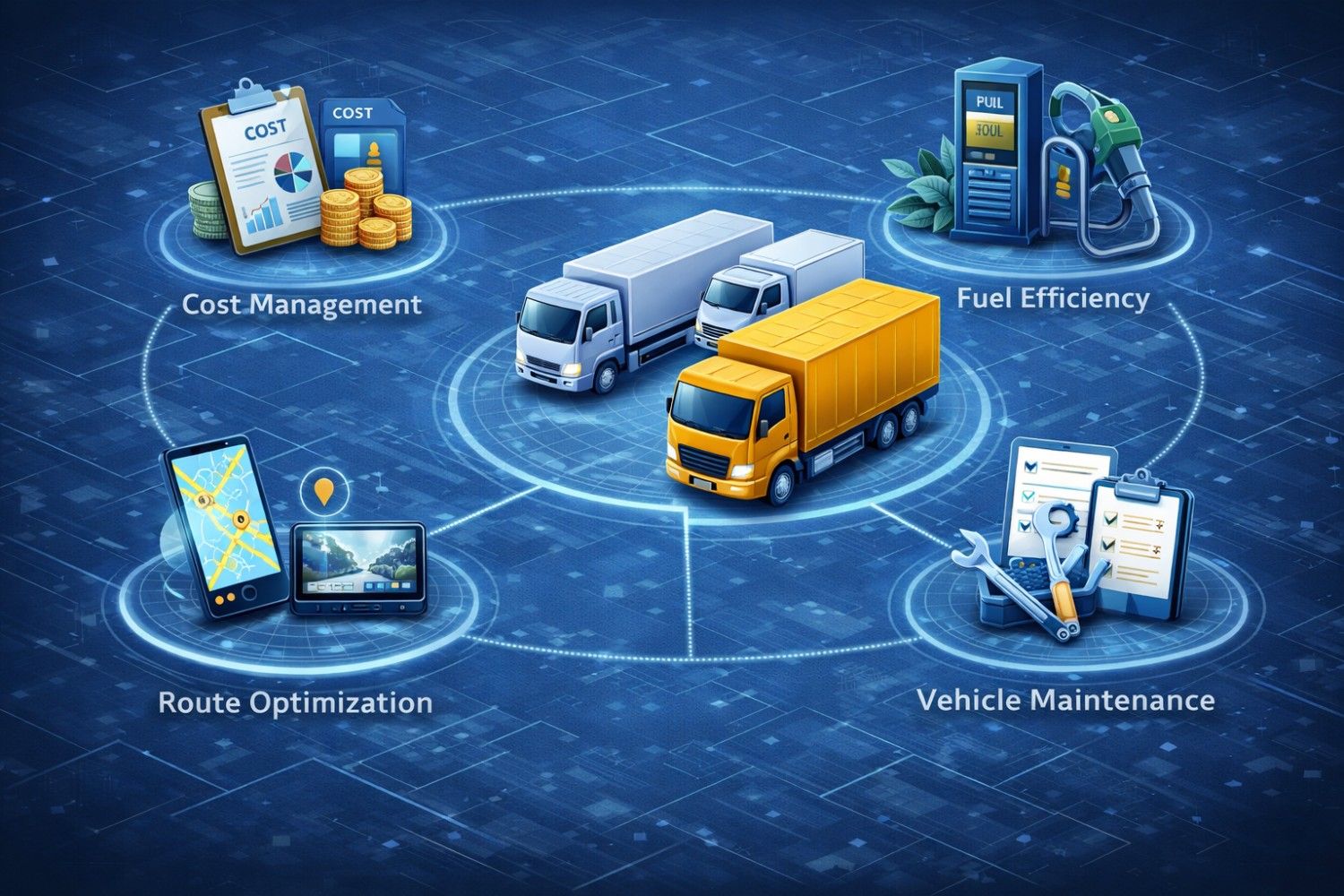
Fleet optimization strategies focus on improving how vehicles, drivers, and maintenance resources are utilized to reduce costs, increase uptime, and support consistent operational performance.

Fleet Optimization Focus Areas and KPIs
| Optimization Area | Key Metric | Target Range | Operational Impact |
|---|---|---|---|
| Vehicle Utilization | Utilization Rate | 75–90% | Reduces idle assets |
| Maintenance Efficiency | Downtime per Vehicle | <5% | Improves availability |
| Fuel Efficiency | Cost per Mile | Decreasing trend | Controls fuel spends |
| Routing Efficiency | On-Time Delivery Rate | >95% | Improves service reliability |
| Driver Performance | Safety Score | High/Improving | Reduces incidents |
Cost-Focused Optimization vs Performance-Focused Optimization

Cost-Focused Optimization
- Reduces fuel, maintenance, and labour expenses
- Prioritizes short-term budget control
- Focuses on minimizing operational overhead
- Often reactive to cost spikes

Performance-Focused Optimization
- Improves uptime, reliability, and service levels
- Prioritizes long-term operational efficiency
- Focuses on maximizing asset productivity
- Enables proactive planning and scaling
Core Areas of Fleet Optimization
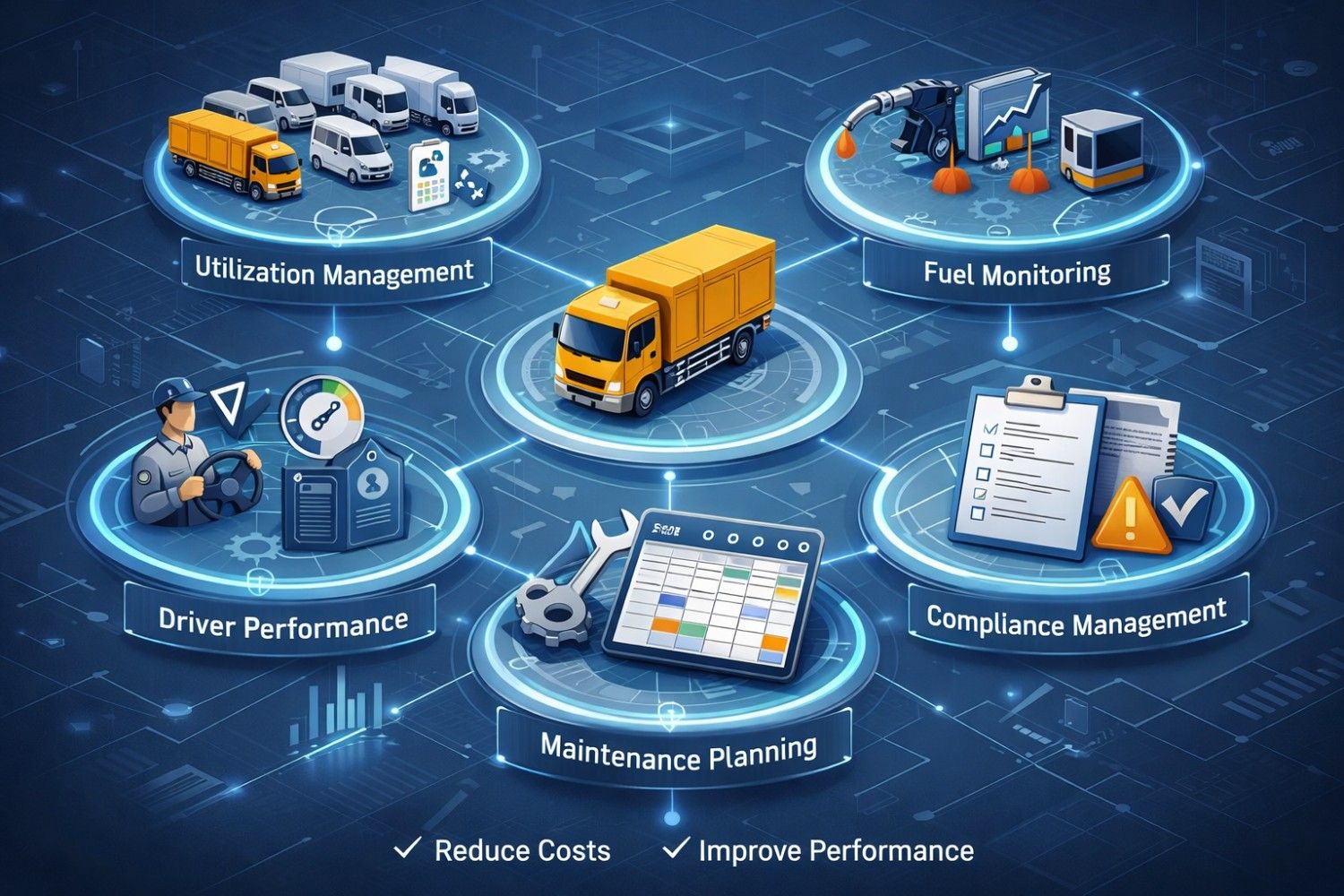
Fleet optimization requires coordination across multiple operational domains, each contributing to cost control and performance improvement.
- Asset utilization management to eliminate underused vehicles
- Maintenance planning to reduce unplanned downtime
- Fuel consumption monitoring to identify inefficiencies
- Driver performance tracking to reduce risk and waste
- Compliance management to avoid penalties and disruptions
Outcome:
- Balanced cost and performance improvements
- Improved fleet reliability across operations

Data-Driven Decision Making in Fleet Optimization
Optimization depends on consistent access to accurate operational data across vehicles, drivers, and maintenance activities.
- Use historical maintenance data to identify recurring failures
- Monitor real-time vehicle data to detect inefficiencies early
- Track key performance indicators across fleet operations
- Consolidate data into centralized reporting dashboards
- Use trend analysis to guide long-term planning
Outcome:
- Faster, evidence-based operational decisions
- Reduced reliance on assumptions or manual tracking
For a structured understanding of fleet data and metrics, refer to this .
Operational Strategies to Improve Fleet Efficiency
Improving fleet efficiency requires targeted actions across routing, scheduling, maintenance, and asset usage.
- Optimize route planning to reduce travel time and fuel consumption
- Align maintenance schedules with vehicle usage patterns
- Reduce idle time through better dispatch coordination
- Standardize inspection and reporting processes
- Identify and eliminate redundant or underperforming assets
Outcome:
- Lower operating costs per vehicle
- Increased fleet throughput and service capacity

Technology Systems Supporting Fleet Optimization
Technology platforms enable visibility, automation, and control across fleet operations, making optimization scalable and consistent.
- Telematics systems provide real-time vehicle tracking and diagnostics
- Maintenance software ensures timely scheduling and service tracking
- Reporting tools consolidate operational data into actionable insights
- Integration systems connect fuel, GPS, and maintenance data
- Mobile applications improve field data capture and communication
Outcome:
- Improved operational visibility across the fleet
- Reduced manual workload and data gaps
Understanding how software supports these processes is covered in this.
Implementation Considerations for Fleet Optimization
Effective implementation requires alignment between processes, data systems, and operational teams.
- Standardize data collection across all vehicles and locations
- Ensure accurate and consistent input from drivers and technicians
- Define clear KPIs aligned with operational goals
- Train teams on systems and reporting workflows
- Scale optimization processes gradually across the fleet
Outcome:
- Consistent execution across operations
- Reduced implementation risk and disruption

Final Takeaways
Fleet optimization is an ongoing operational discipline that combines data, process standardization, and technology to improve performance and reduce costs.
- Focus on both cost control and performance improvement, not just one dimension
- Use measurable KPIs to guide optimization efforts
- Prioritize data accuracy and centralized reporting
- Apply structured operational strategies across all fleet functions
- Leverage technology to scale and sustain optimization efforts
AUTOsist Fleet Management Resources

Fleet Reporting and Analytics Software Guide

Fleet Management Software Buyers Guide
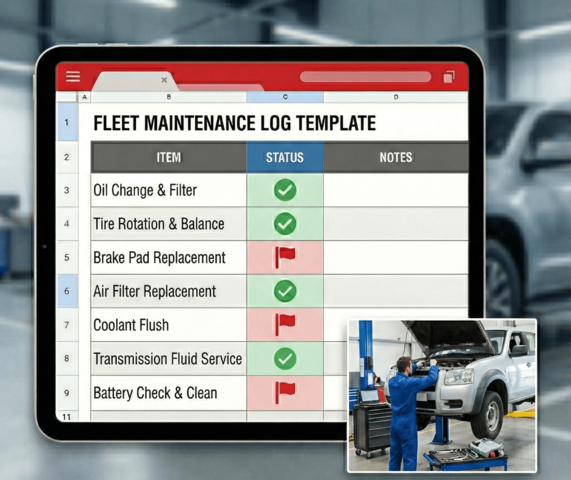
Fleet Maintenance Log Excel Template
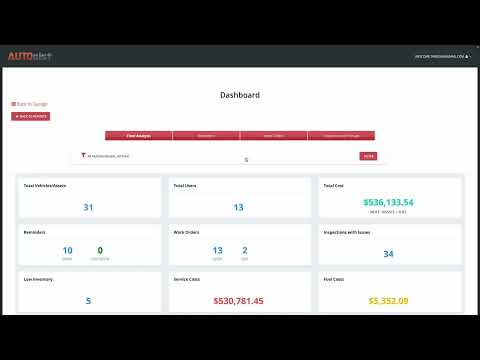
Fleet Reports and Dashboard