Best Fleet Maintenance Software for Small Fleets
Fleet maintenance software for small fleets refers to systems designed to track, schedule, and document vehicle maintenance with minimal administrative overhead. For fleets with limited staff and growing vehicle counts, structured maintenance software reduces missed services, improves visibility, and supports consistent operational control.
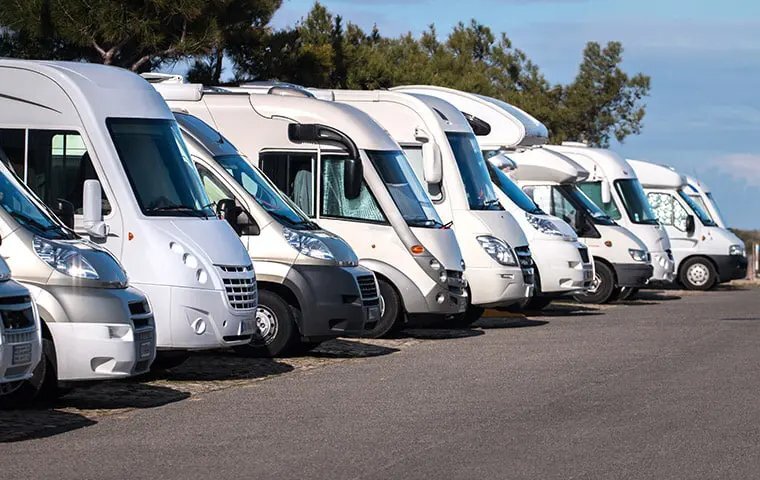
Core Fleet Maintenance Software Capabilities for Small Fleets
| Capability | Primary Use | Operational Benefit | Small Fleet Impact |
|---|---|---|---|
| Preventive maintenance scheduling | Automate service intervals | Fewer missed services | Lower breakdown risk |
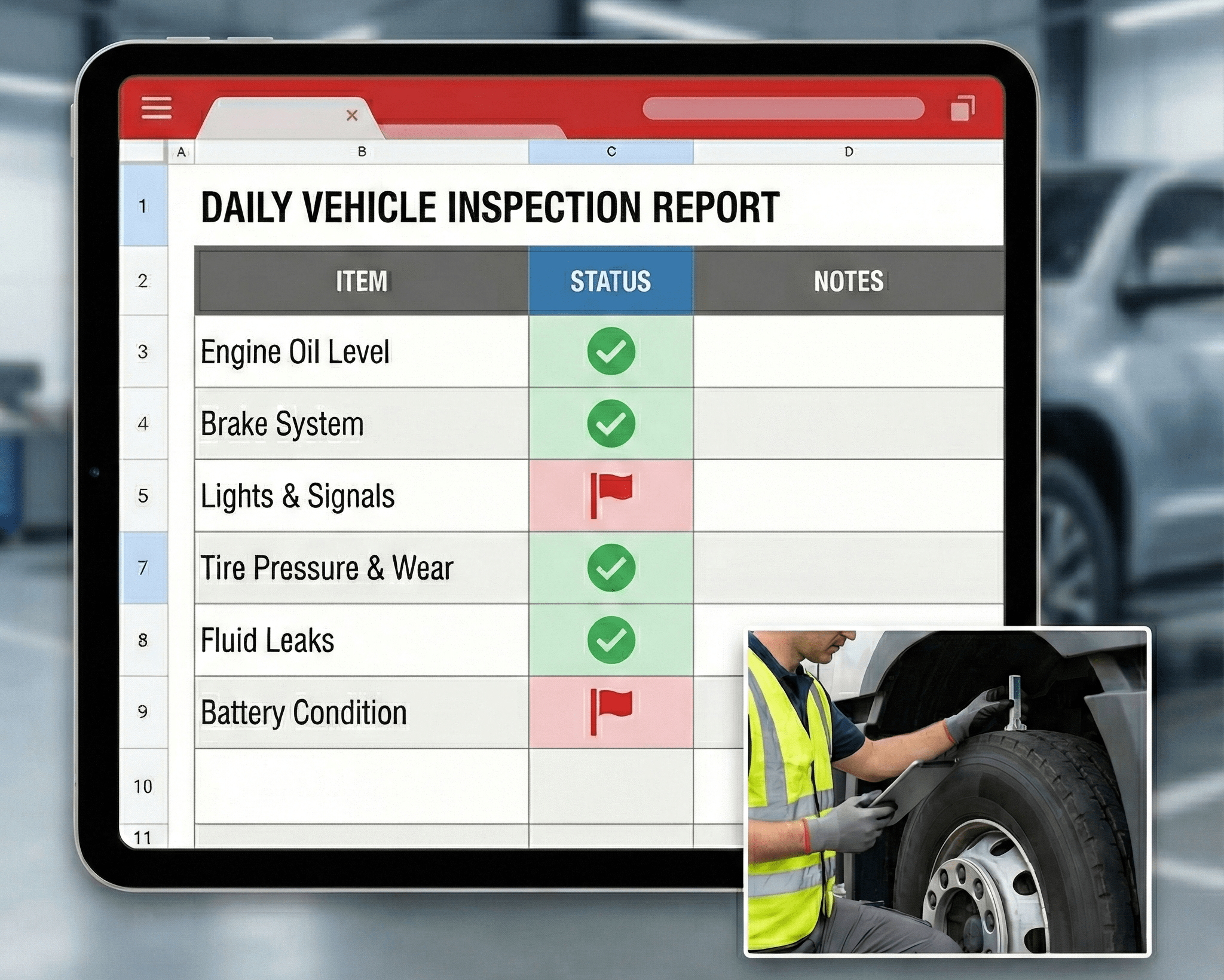
| Digital inspections | Capture condition data | Faster issue detection | Reduced surprise repairs |
| Work order tracking | Document maintenance work | Clear task accountability | Less admin effort |
| Service history records | Centralize maintenance data | Accurate asset history | Easier audits |
| Parts inventory tracking | Monitor parts usage | Prevent stockouts | Controlled spend |
Manual Maintenance Tracking vs Fleet Maintenance Software
Manual Maintenance Tracking
- Maintenance records spread across spreadsheets, paper, or emails
- High reliance on individual memory and manual reminders
- Limited visibility into upcoming or overdue services
- Increased risk of missed inspections and incomplete records

Fleet Maintenance Software
- Centralized maintenance schedules and records
- Automated reminders based on mileage or time
- Real-time visibility into vehicle status
- Consistent documentation for compliance and audits
Operational Challenges Small Fleets Face Without Dedicated Software
Small fleets often operate with lean teams where maintenance tracking competes with daily operational demands. As vehicle counts increase, informal tracking methods become harder to maintain consistently.
- Missed preventive maintenance due to manual scheduling
- Incomplete or inconsistent service records
- Limited visibility into vehicle downtime trends
- Increased administrative burden on managers
- Higher exposure to unexpected repair costs
Outcome indicators:
- More unplanned downtime
- Higher maintenance variability
- Reduced confidence in maintenance data

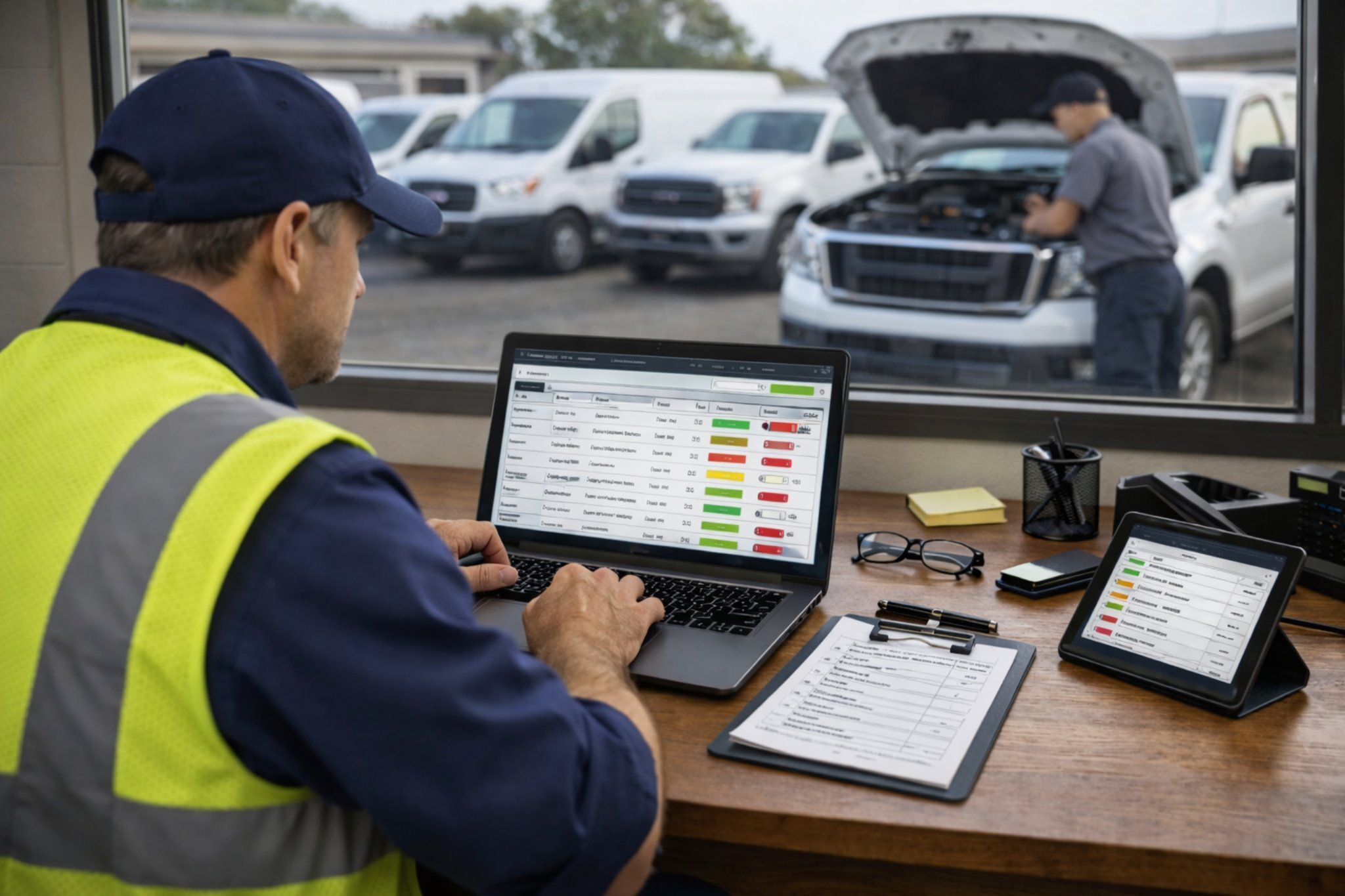
Core Capabilities That Define Effective Fleet Maintenance Software
Effective maintenance software focuses on reliability and ease of use rather than feature volume. For small fleets, the value lies in consistency and automation.
- Configurable preventive maintenance schedules
- Mileage-based and time-based service triggers
- Centralized vehicle service history
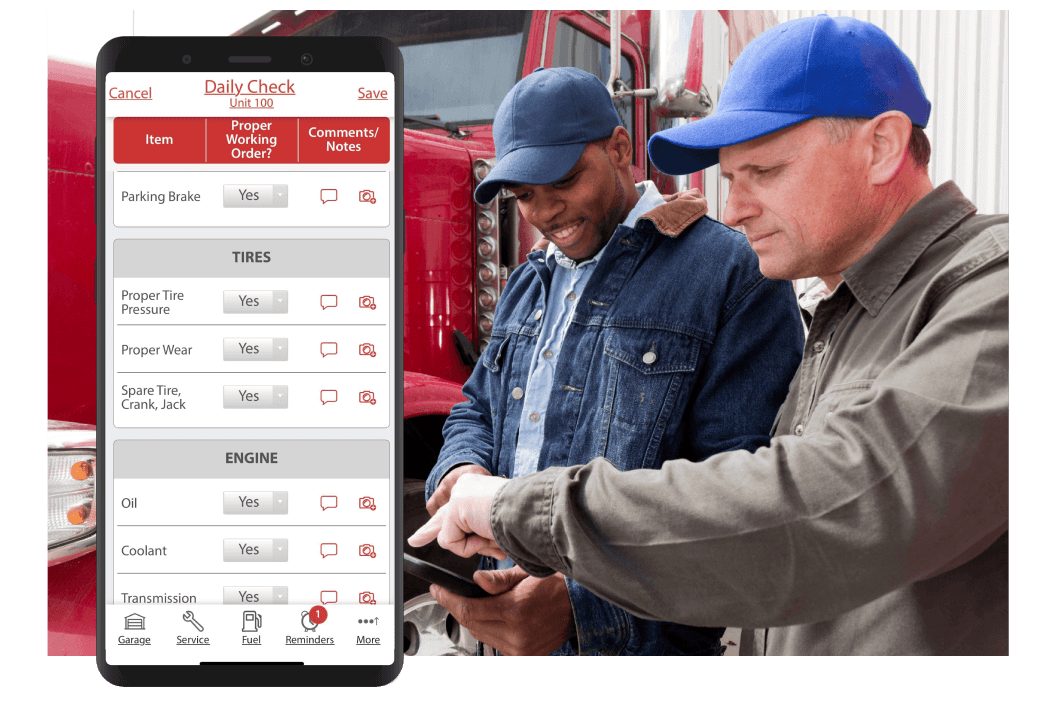
- Digital inspection workflows for drivers and technicians
- Basic reporting on maintenance activity and costs
Operational results:
- Predictable service intervals
- Faster issue identification
- Cleaner maintenance records
Evaluating Software Fit for Small Fleet Operations
Selecting software requires assessing how well it fits existing workflows rather than how many features it offers. Small fleets benefit most from systems that reduce manual effort.
- Simple setup without lengthy configuration
- Clear user roles for managers, drivers, and technicians
- Mobile access for inspections and updates
- Scalable structure as vehicles are added
- Minimal training requirements
Decision signals:
- Faster adoption
- Lower ongoing admin time
- Consistent data entry


Implementation Considerations for Small Fleets
Even straightforward systems require planning to avoid disruption. Implementation success depends on clarity and phased adoption.
- Import existing vehicle and service data
- Start with preventive maintenance schedules
- Introduce inspections before advanced reporting
- Assign clear ownership for maintenance records
- Review data accuracy during early use
Implementation goals:
- Clean baseline data
- Consistent usage
- Early operational value
Final Takeaways
Choosing fleet maintenance software for a small fleet is primarily an operational decision, not a technology upgrade.
- Focus on preventive maintenance and record consistency
- Prioritize ease of use over advanced features
- Ensure visibility into upcoming and overdue services
- Select software that scales without complexity
- Use data to reduce reactive maintenance
AUTOsist Fleet Management Resources
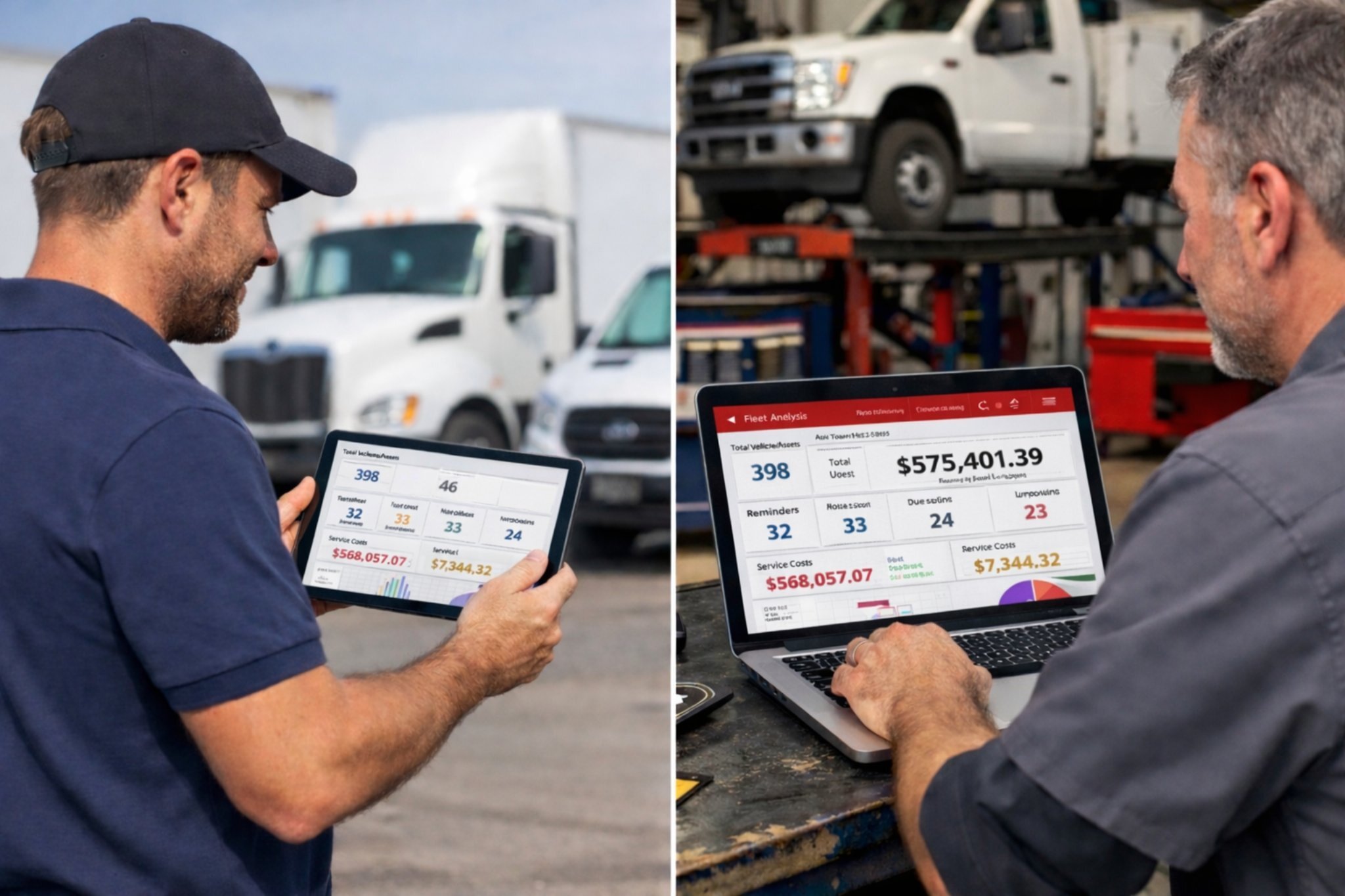
What Is Fleet Maintenance Software

How to Track Fleet Maintenance (Step-by-Step)
Fleet Maintenance Log Excel Template
Fleet Preventive Maintenance Schedules and Reminders