Fleet Maintenance Cost Reduction Strategies
Fleet maintenance costs can represent a large portion of total fleet operating expenses. Effective cost reduction strategies focus on improving maintenance planning, visibility, and operational control so fleets can reduce downtime, avoid emergency repairs, and extend vehicle service life.

Operational Practices That Reduce Fleet Maintenance Costs
| Practice | Operational Function | Primary Benefit | Cost Impact |
|---|---|---|---|
| Preventive maintenance schedules | Maintenance planning | Early defect detection | Reduced repairs |
| Digital inspections | Driver reporting | Faster issue identification | Lower breakdowns |
| Parts inventory tracking | Procurement control | Prevent stockouts | Reduced downtime |
| Work order management | Maintenance coordination | Faster repair workflows | Lower labor costs |
| Maintenance reporting | Fleet analytics | Cost visibility | Better decisions |
Manual Fleet Maintenance Tracking vs Software-Based Fleet Maintenance Management

Manual Tracking (Spreadsheets, Paper Logs)
Operational Characteristics
- Disconnected records and documents
- Limited maintenance scheduling automation
- Manual reporting and tracking
Operational Outcomes
- Higher administrative overhead
- Missed service intervals
- Poor cost visibility

Software-Based Fleet Maintenance Management
Operational Characteristics
- Centralized maintenance records
- Automated preventive maintenance schedules
- Real-time fleet reporting
Operational Outcomes
- Reduced maintenance delays
- Lower administrative labor
- Improved cost tracking and planning
Identify Where Fleet Maintenance Costs Are Originating
Reducing fleet maintenance costs begins with understanding where spending is actually occurring. Many fleets struggle to identify cost drivers because maintenance data is scattered across spreadsheets, invoices, and paper records. Structured tracking of maintenance history and repair trends helps managers identify recurring issues and operational inefficiencies.
Fleet teams can improve cost visibility by implementing the following practices:
- Track repair costs by vehicle, component, and service type
- Monitor recurring failures across similar vehicle models
- Analyze downtime trends across different maintenance categories
- Review labor hours associated with routine vs emergency repairs
- Document service history to understand long-term asset performance
When fleets establish reliable maintenance tracking systems, it becomes easier to evaluate long-term trends and adjust maintenance planning. Resources such as the fleet maintenance KPIs guide help fleet managers identify measurable indicators that reveal maintenance cost patterns.
Operational outcomes
- Clear understanding of maintenance cost drivers
- More accurate fleet budgeting and forecasting
- Better decisions on repair vs vehicle replacement

Shift from Reactive Maintenance to Preventive Maintenance
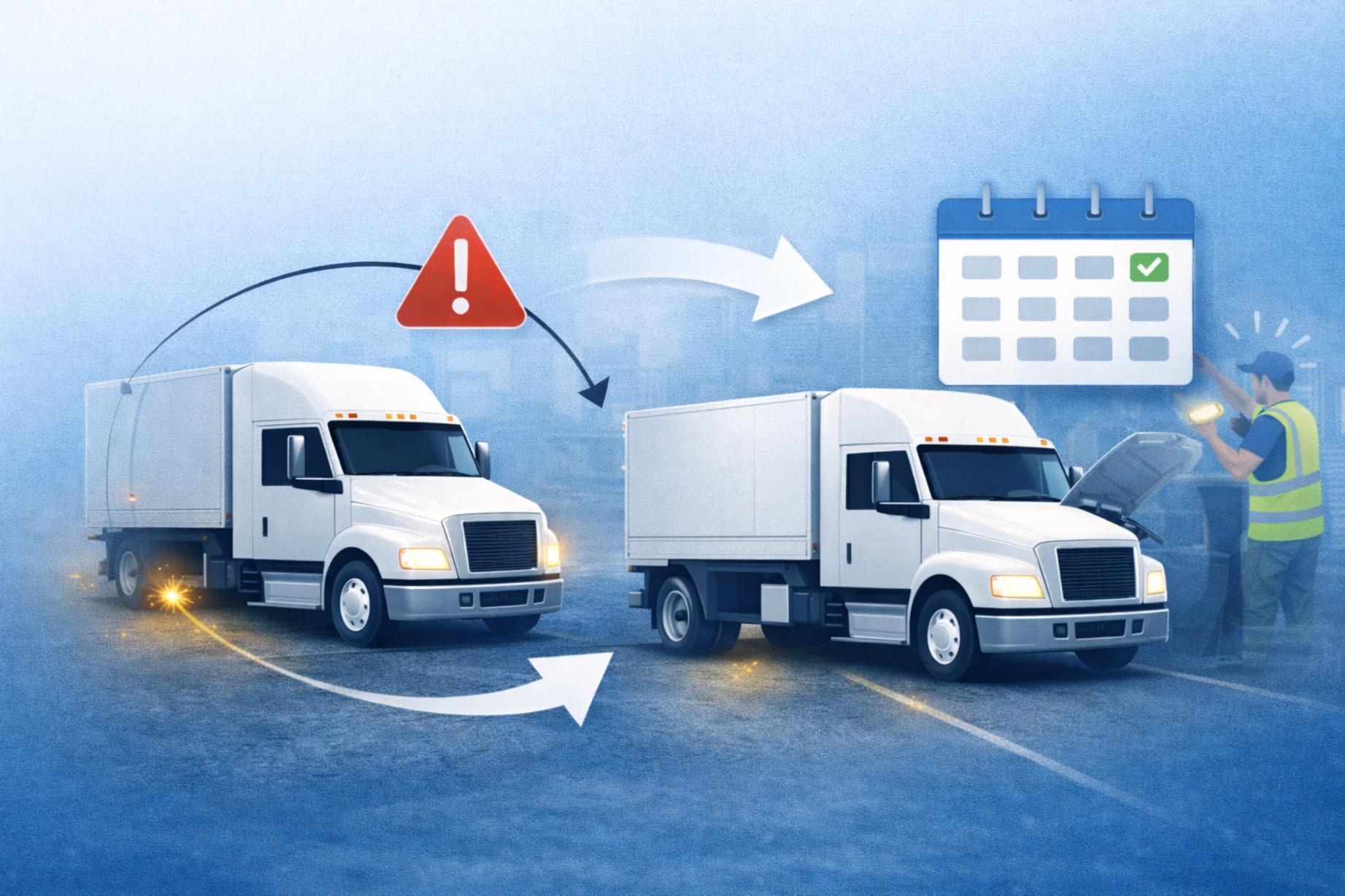
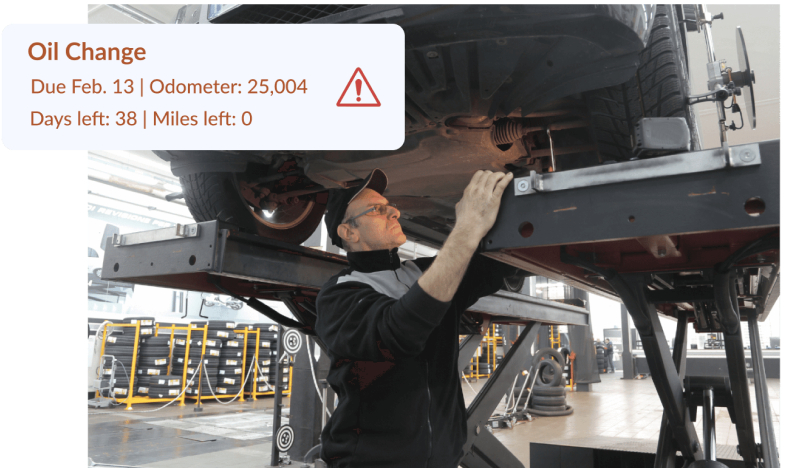
Reactive maintenance is one of the most common sources of excessive fleet costs. When vehicles are repaired only after failures occur, fleets experience higher downtime, emergency repair costs, and accelerated component wear. Preventive maintenance programs reduce these risks by servicing vehicles at planned intervals.
Fleet managers can reduce repair costs by implementing preventive maintenance practices such as:
- Establish mileage- or hours-based service schedules
- Perform regular driver and technician inspections
- Monitor fluid levels, tire conditions, and brake wear routinely
- Schedule servicing before components reach failure points
- Use maintenance records to adjust service intervals
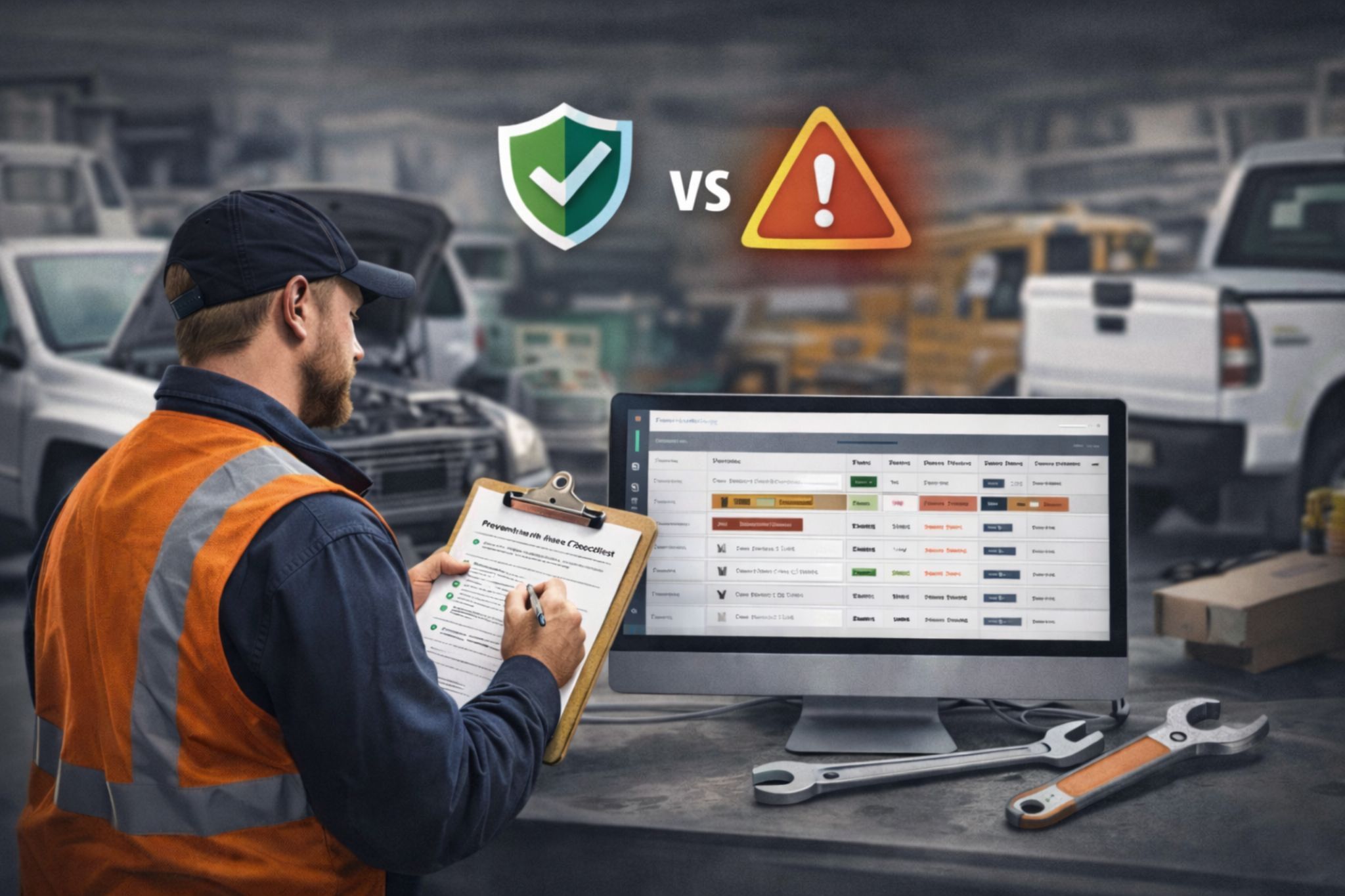
Preventive maintenance programs are widely recognized as a foundational strategy for reducing long-term fleet operating costs. The preventive maintenance guide for fleet operations explains how fleets structure inspection schedules and service intervals.
Operational outcomes
- Reduced emergency repairs
- Lower vehicle downtime
- Improved reliability and asset lifespan
Improve Parts, Inventory, and Work Order Control
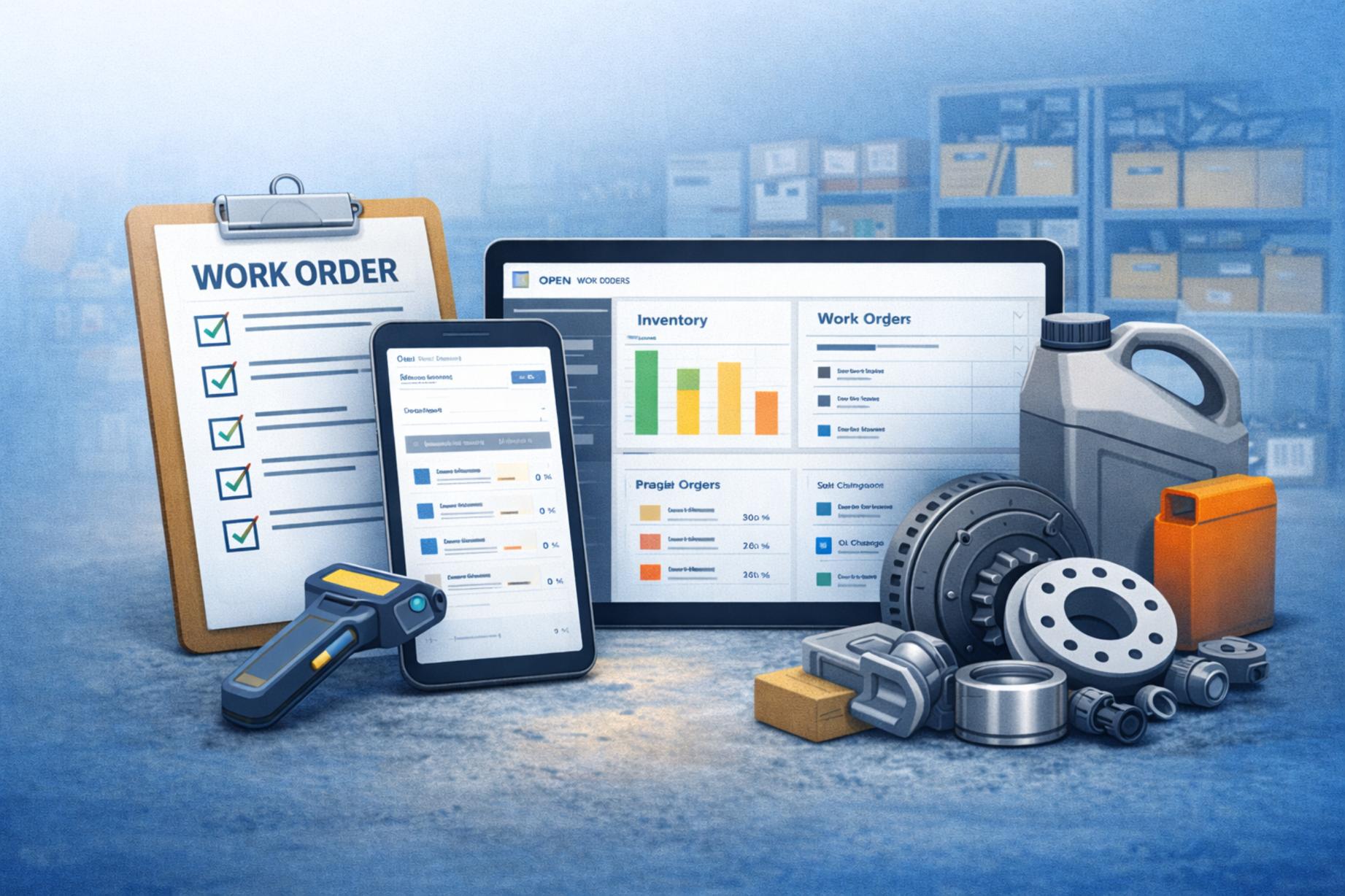
Maintenance costs often increase when fleets lack visibility into parts inventory and repair workflows. Without proper inventory management and work order coordination, fleets may experience repair delays, duplicate purchases, and inefficient labor use.
Fleet operations can improve cost control by implementing structured maintenance workflows:
- Track parts inventory and reorder levels to prevent shortages
- Maintain clear work orders for every repair task
- Assign technicians and track labor hours for maintenance jobs
- Document all parts used during vehicle repairs
- Standardize repair procedures across the fleet
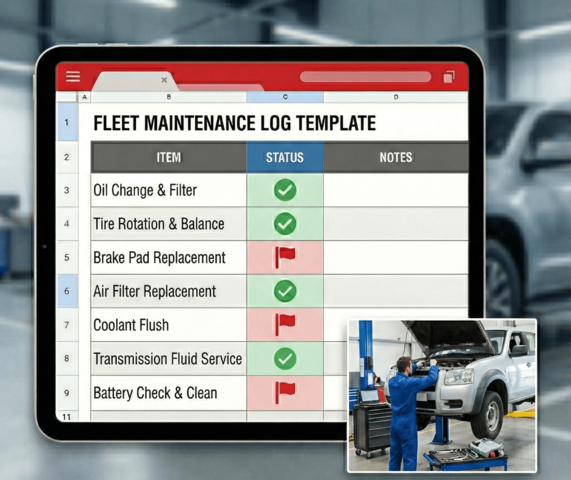
Structured maintenance documentation improves operational efficiency and prevents lost maintenance records. Many fleets use a fleet maintenance log template to maintain organized service documentation.
Operational outcomes
- Reduced repair delays caused by missing parts
- Improved technician productivity
- More accurate maintenance cost tracking

Increase Fleet Visibility Through Data and Reporting
Fleet managers cannot reduce maintenance costs without reliable operational data. Maintenance reporting provides visibility into vehicle reliability, repair trends, and overall fleet performance.
Maintenance reporting systems help fleet teams monitor operational performance through:
- Tracking maintenance cost per vehicle or asset
- Monitoring vehicle downtime and repair frequency
- Reviewing inspection failure trends
- Evaluating maintenance labor efficiency
- Analyzing long-term asset lifecycle costs
Consistent reporting helps fleet managers evaluate maintenance strategy effectiveness and identify opportunities to improve operational efficiency.
Operational outcomes
- Faster identification of cost trends
- Data-driven maintenance decisions
- Improved fleet reliability and operational planning
Final Takeaways
Fleet maintenance cost reduction is primarily achieved through improved maintenance planning, operational visibility, and structured maintenance processes. Fleets that rely on reactive repair models or fragmented maintenance tracking systems often experience higher downtime, increased labor costs, and shorter vehicle lifecycles.
Key strategies for reducing fleet maintenance costs include:
- Track maintenance costs and repair trends across vehicles.
- Implement preventive maintenance schedules.
- Maintain organized parts inventory and repair workflows.
- Standardize inspection and maintenance procedures.
- Use maintenance data to guide operational decisions.
AUTOsist Fleet Management Resources

Fleet Maintenance KPIs
Preventive Maintenance Guide for Fleet Operations
Fleet Maintenance Log Excel Template
Preventive Maintenance Scheduling Software