How to Train Fleet Drivers for Better Safety and Efficiency
Driver behaviour plays a major role in fleet safety, operational efficiency, and vehicle reliability. Structured driver training helps fleets reduce incidents, improve fuel efficiency, maintain regulatory compliance, and extend the operational life of fleet vehicles.

Core Components of a Fleet Driver Training Program
| Training Area | Objective | Operational Benefit | Example Activity |
|---|---|---|---|
| Safety Procedures | Reduce collision risk | Lower incident frequency | Defensive driving workshop |
| Vehicle Operation | Standardize driving behavior | Reduce mechanical wear | Vehicle handling training |
| Compliance Awareness | Meet regulatory requirements | Reduce violations | DOT compliance orientation |
| Fuel-Efficient Driving | Improve fuel economy | Lower fuel spend | Idle reduction coaching |
| Incident Response | Improve accident response | Faster risk control | Incident reporting drills |
Individual Driver Coaching vs Fleet-Wide Training Programs

Individual Driver Coaching
Driver Focus
- Targets specific driver behaviors that increase safety risk or inefficiency
- Uses performance data to identify individual training needs
- Focuses on correcting unsafe driving patterns
- Often implemented after incidents or safety alerts
Training Delivery
- One-on-one coaching sessions
- Driver scorecard reviews
- Incident-based retraining
- Personalized improvement plans

Fleet-Wide Training Programs
Driver Focus
- Establishes consistent safety standards across the entire fleet
- Standardizes driver procedures and operational expectations
- Reduces variability in driver behavior
- Ensures every driver receives baseline training
Training Delivery
- Scheduled safety training sessions
- Standardized onboarding programs
- Recurring compliance training
- Company-wide safety updates and refreshers
Why Driver Training Is a Core Fleet Management Responsibility
Driver behavior directly affects many operational outcomes within fleet operations. Without structured training, fleets often experience higher accident rates, increased vehicle wear, and inefficient fuel usage.
A well-structured driver training program allows fleet managers to build consistent operating standards that reduce operational risk.
Key operational reasons fleets prioritize driver training include:
- Reducing accident rates and safety incidents
- Improving fuel efficiency through better driving habits
- Minimizing premature vehicle wear and mechanical stress
- Supporting regulatory compliance and documentation
- Improving driver accountability across the organization
When these elements are consistently reinforced, fleets operate with greater safety and predictability.


Operational Data Used to Improve Driver Performance
Driver training programs are most effective when they are supported by operational data. Modern fleets use data from inspections, vehicle systems, and operational reports to identify training needs and measure improvement.
Common data sources fleets use to guide training include:
- Driver inspection reports and vehicle condition checks
- Trip data showing routes, mileage, and operating patterns
- Incident and safety reports
- Fuel consumption patterns and idle time
- Maintenance records linked to driving behavior
Operational data allows fleet managers to move beyond generic safety messaging and instead implement targeted training that addresses specific operational risks.
For example, fleets often connect driver training with broader safety programs outlined in a fleet safety guide for fleet operations.
Methods for Delivering Driver Training Across a Fleet
Fleet operations often involve multiple drivers, locations, and vehicle types. Effective training programs use structured delivery methods that ensure consistency across the entire operation.
Common training delivery methods include:
- Structured onboarding programs for new drivers
- Recurring safety training sessions throughout the year
- Data-driven coaching for high-risk driver behaviors
- Incident-triggered retraining following safety events
- Compliance updates for regulatory changes
Training programs work best when they are integrated into broader fleet management practices such as inspections, maintenance tracking, and operational reporting.
Fleets often pair driver training programs with operational guidance found in a fleet manager guide to standardize procedures across teams.
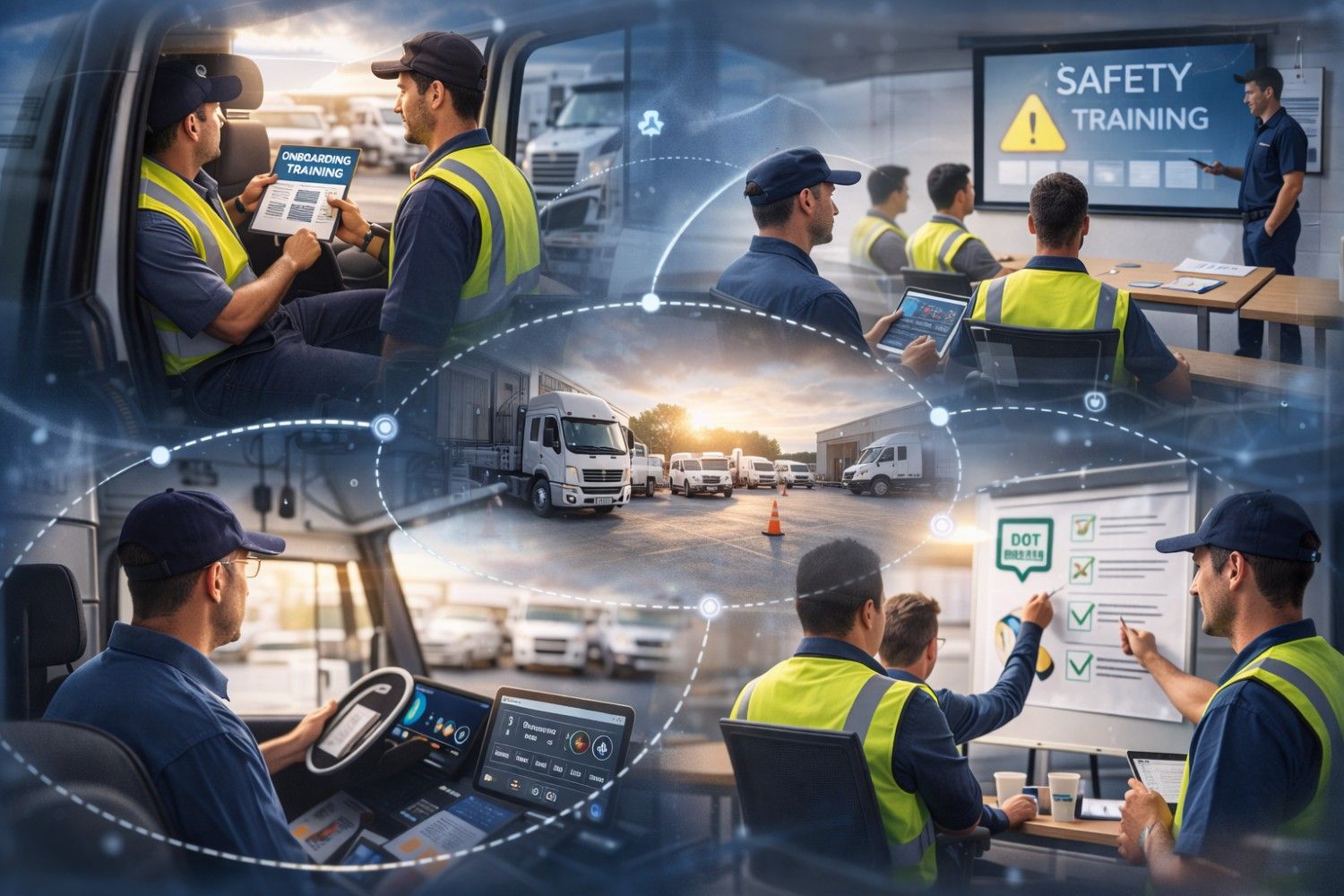

Implementing a Driver Training Framework Across a Fleet
Implementing driver training across a fleet requires a structured framework rather than isolated training sessions. Fleet managers must define standards, monitor performance, and ensure training programs remain consistent over time.
Key steps for implementing a driver training framework include:
- Establishing clear safety and operational standards for drivers
- Defining performance benchmarks used to evaluate drivers
- Monitoring driver performance through inspections and operational data
- Tracking training completion and compliance
- Updating training programs as fleet risks and regulations evolve
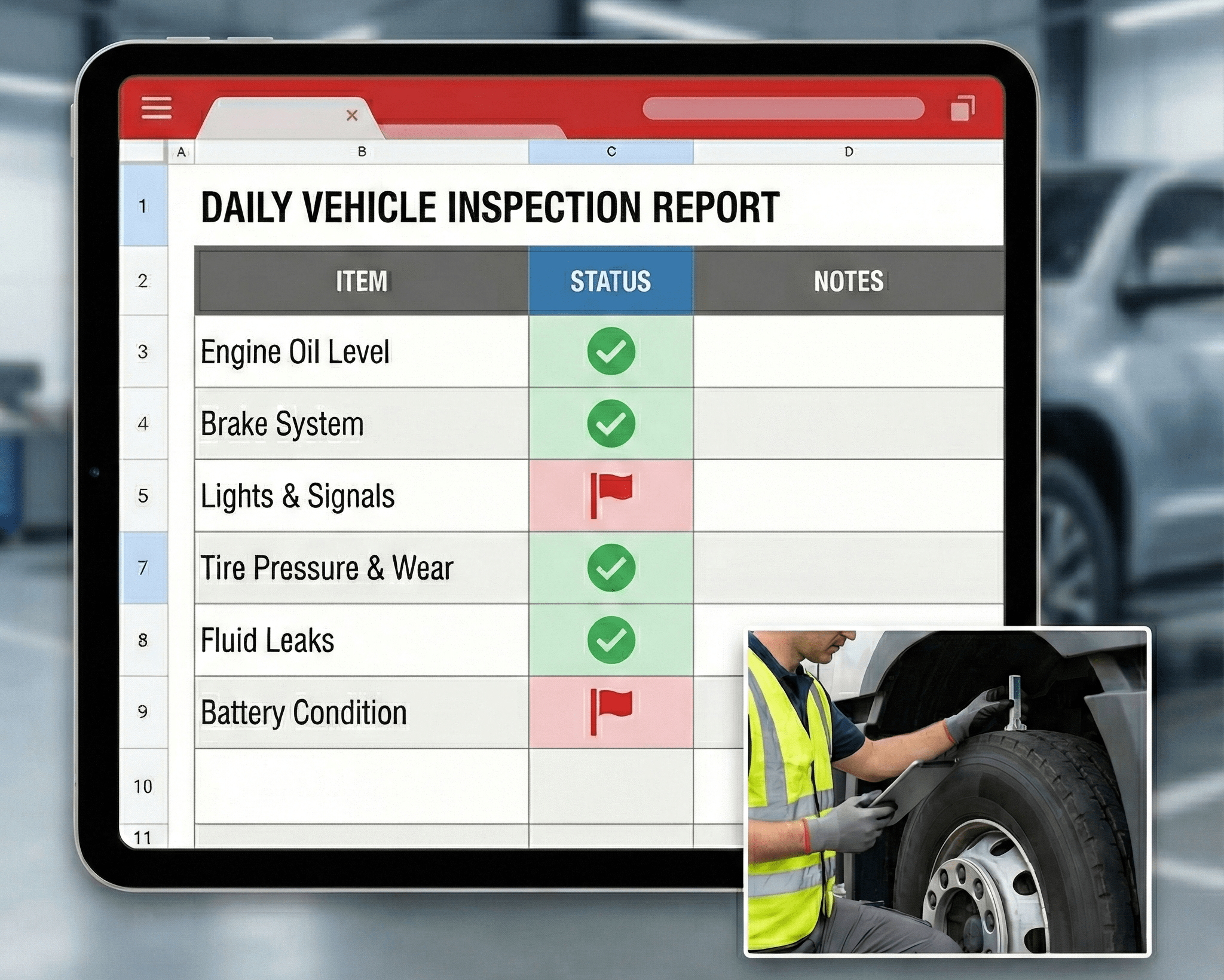
Documentation also plays an important role. Fleets often maintain inspection and compliance records using tools such as a daily DVIR vehicle inspection checklist to reinforce driver accountability.
Final Takeaways
Driver training is one of the most effective ways to improve fleet safety, reduce operating costs, and standardize operational practices across a fleet.
Key takeaways include:
- Driver behavior significantly impacts fleet safety, fuel costs, and vehicle reliability.
- Structured training programs reduce incidents and improve operational consistency.
- Operational data helps fleets identify training needs and track improvement.
- Combining fleet-wide training with targeted driver coaching produces the best results.
- Driver training programs must be integrated into overall fleet management processes.
AUTOsist Fleet Management Resources

Fleet Safety Guide for Fleet Operations

Fleet Manager Guide
Daily DVIR Vehicle Inspection Checklist
Fleet User and Driver Management