Fleet Asset Management
Fleet asset management is the structured process of tracking, maintaining, and optimizing vehicles and equipment across their full lifecycle, ensuring operational efficiency, cost control, and long-term asset reliability.
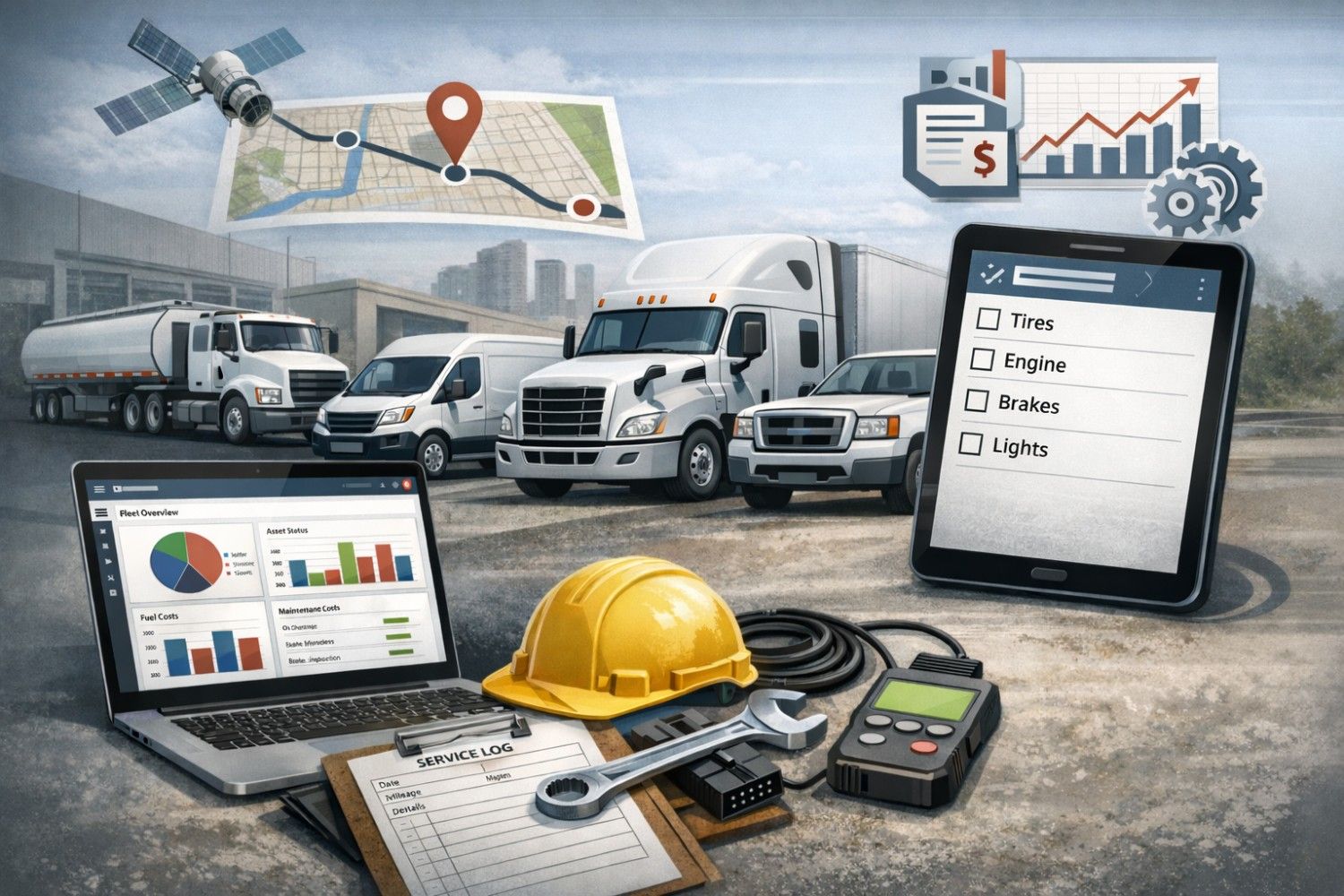
Fleet Asset Lifecycle Stages
| Stage | Objective | Key Actions | Primary Risk |
|---|---|---|---|
| Acquisition | Select right assets | Purchase/lease planning | Over/under-spec assets |
| Deployment | Put assets into service | Assignment, utilization tracking | Underutilization |
| Operation | Maintain performance | Usage monitoring, inspections | Hidden wear and inefficiency |
| Maintenance | Preserve asset condition | Preventive maintenance, repairs | Downtime and cost spikes |
| Disposal | Maximize residual value | Replacement planning, resale | Poor timing of replacement |
High Utilization Strategy vs Balanced Utilization Strategy

High Utilization Strategy
- Maximizes asset output per vehicle
- Reduces need for larger fleets
- Accelerates wear and maintenance cycles
- Increases risk of unplanned downtime

Balanced Utilization Strategy
- Distributes workload across fleet assets
- Extends asset lifespan and reduces stress
- Improves maintenance predictability
- Supports long-term cost stability
What Fleet Asset Management Means in Fleet Operations
Fleet asset management goes beyond basic vehicle tracking. It involves managing the full asset lifecycle of each asset—from acquisition to disposal—while aligning utilization, maintenance, and cost control with operational goals.
- Track every asset’s lifecycle stage and condition
- Align asset usage with operational demand
- Monitor cost per mile and total cost of ownership
- Ensure compliance with inspection and safety requirements
- Maintain visibility across all asset types
Outcome:
- Improved asset reliability
- Lower lifecycle costs
- Better operational planning
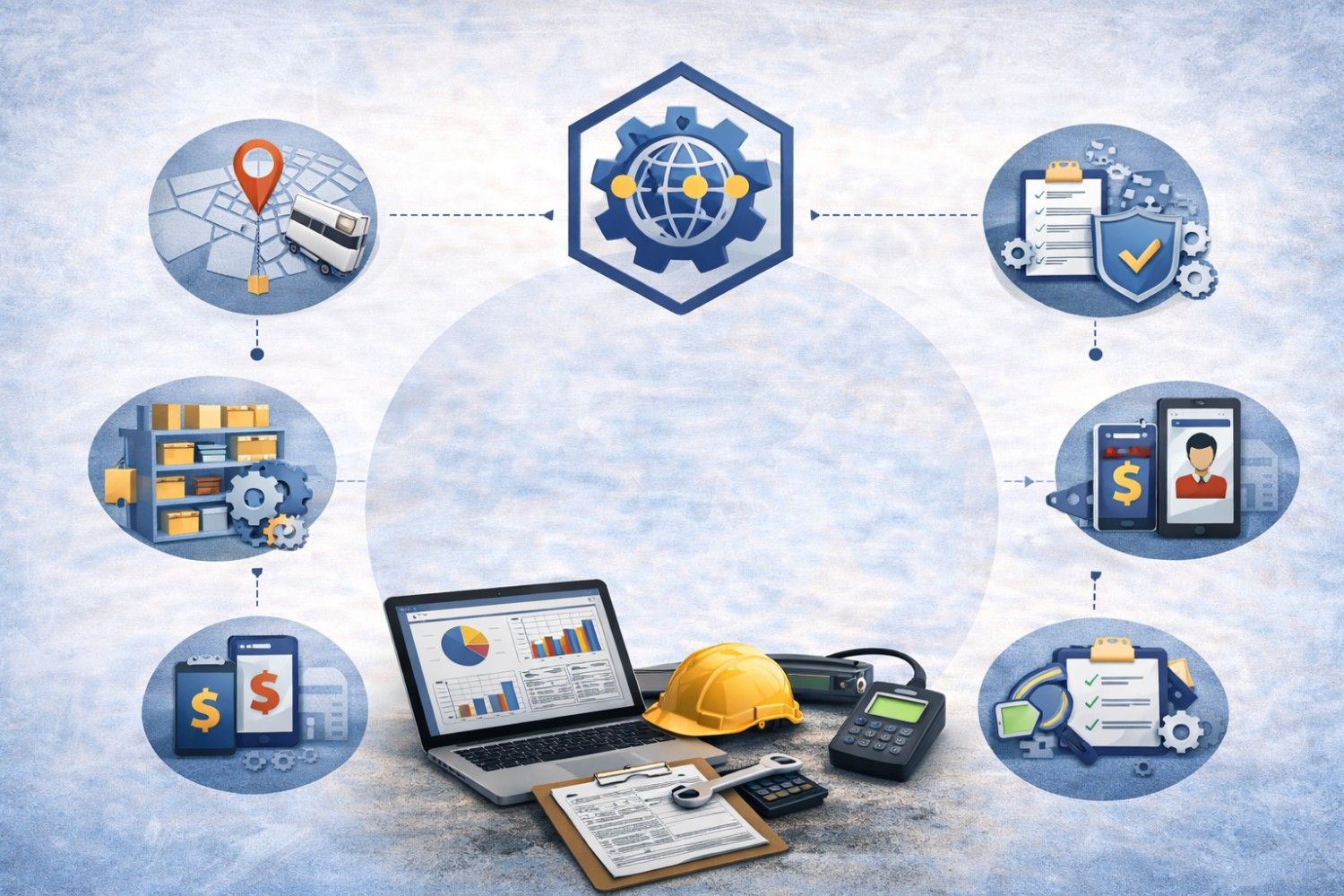
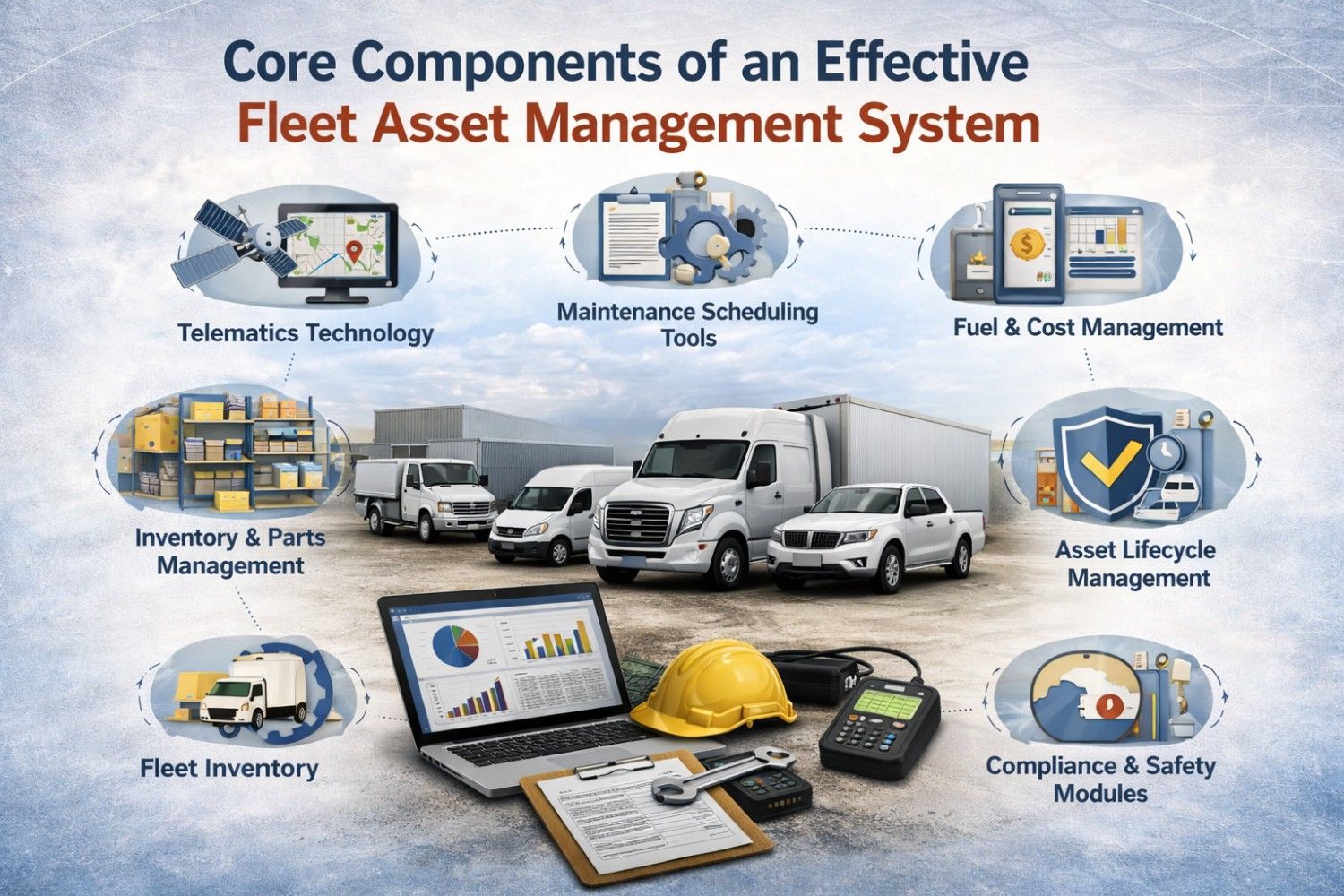
Core Components of an Effective Fleet Asset Management System
An effective system integrates multiple operational processes into a single framework, ensuring consistency and visibility across all assets.
- Asset inventory with complete lifecycle records
- Preventive maintenance scheduling and tracking
- Work order management for repairs and service
- Inspection processes for compliance and safety
- Cost tracking across fuel, parts, and labor
Outcome:
- Centralized asset visibility
- Standardized maintenance workflows
- Reduced operational gaps
Operational Data Used to Manage Fleet Assets
Fleet asset management depends on accurate and timely data to support decision-making and operational planning.
- Mileage and engine hours for usage tracking
- Maintenance history and service intervals
- Downtime and repair frequency metrics
- Fuel consumption and cost trends
- Asset utilization rates across the fleet
Outcome:
- Data-driven maintenance planning
- Early identification of asset inefficiencies
- Better forecasting and budgeting

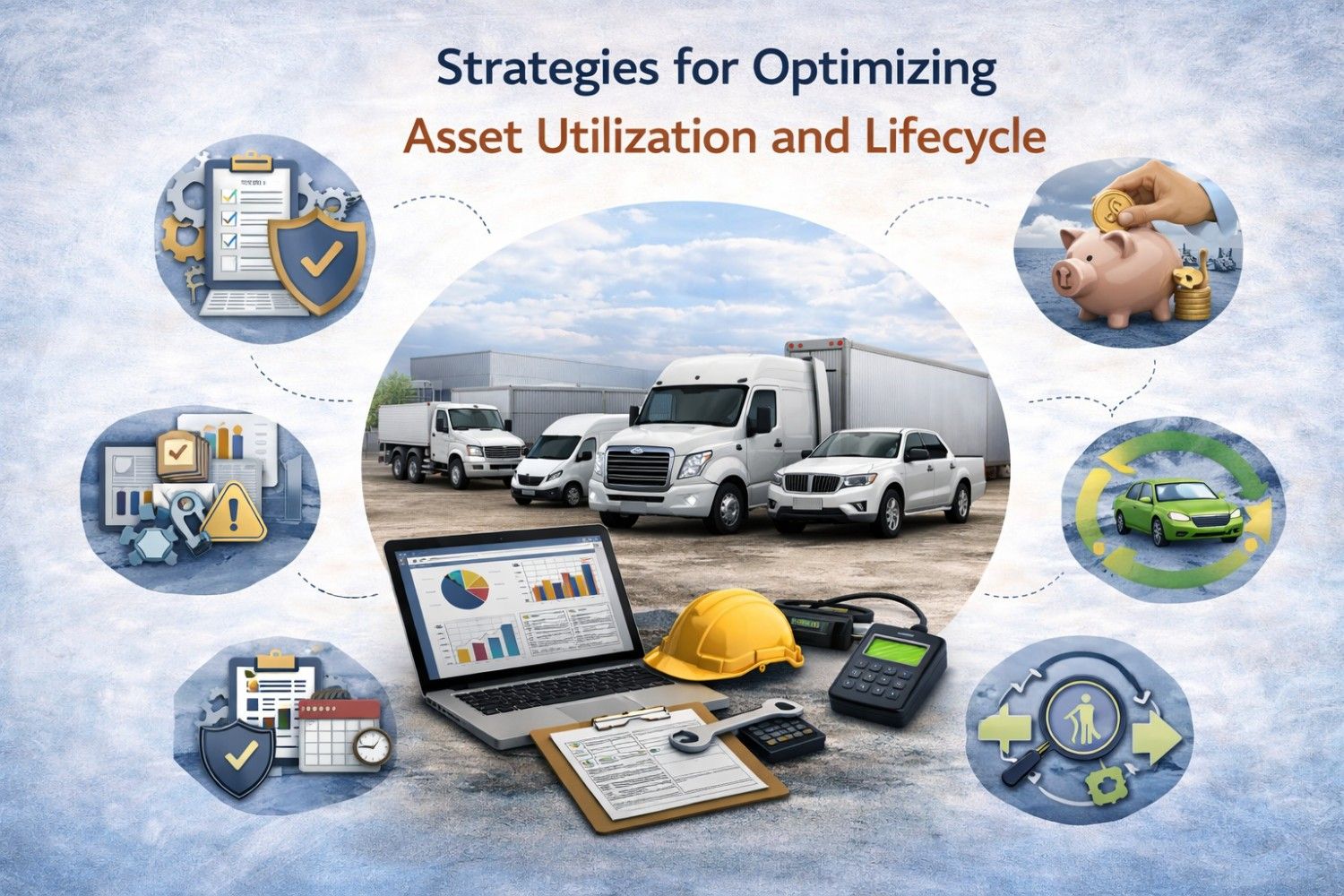
Strategies for Optimizing Asset Utilization and Lifecycle
Managing asset utilization and lifecycle effectively requires balancing usage, maintenance, and replacement timing.
- Implement preventive maintenance schedules based on real usage
- Rotate assets to balance workload and reduce overuse
- Monitor utilization rates to identify underused assets
- Replace assets based on lifecycle cost, not just age
- Standardize specifications to simplify maintenance and parts
Outcome:
- Extended asset lifespan
- Lower cost per mile
- Reduced unplanned downtime
Implementing a Fleet Asset Management Framework Across a Fleet
A structured framework ensures consistency across locations, teams, and asset types, enabling scalable fleet operations.
- Standardize asset classification and tracking methods
- Define maintenance schedules and inspection intervals
- Implement consistent reporting and KPI tracking
- Train teams on asset management processes and tools
- Use software to centralize and automate workflows
Outcome:
- Scalable fleet operations
- Improved accountability across teams
- Consistent performance tracking
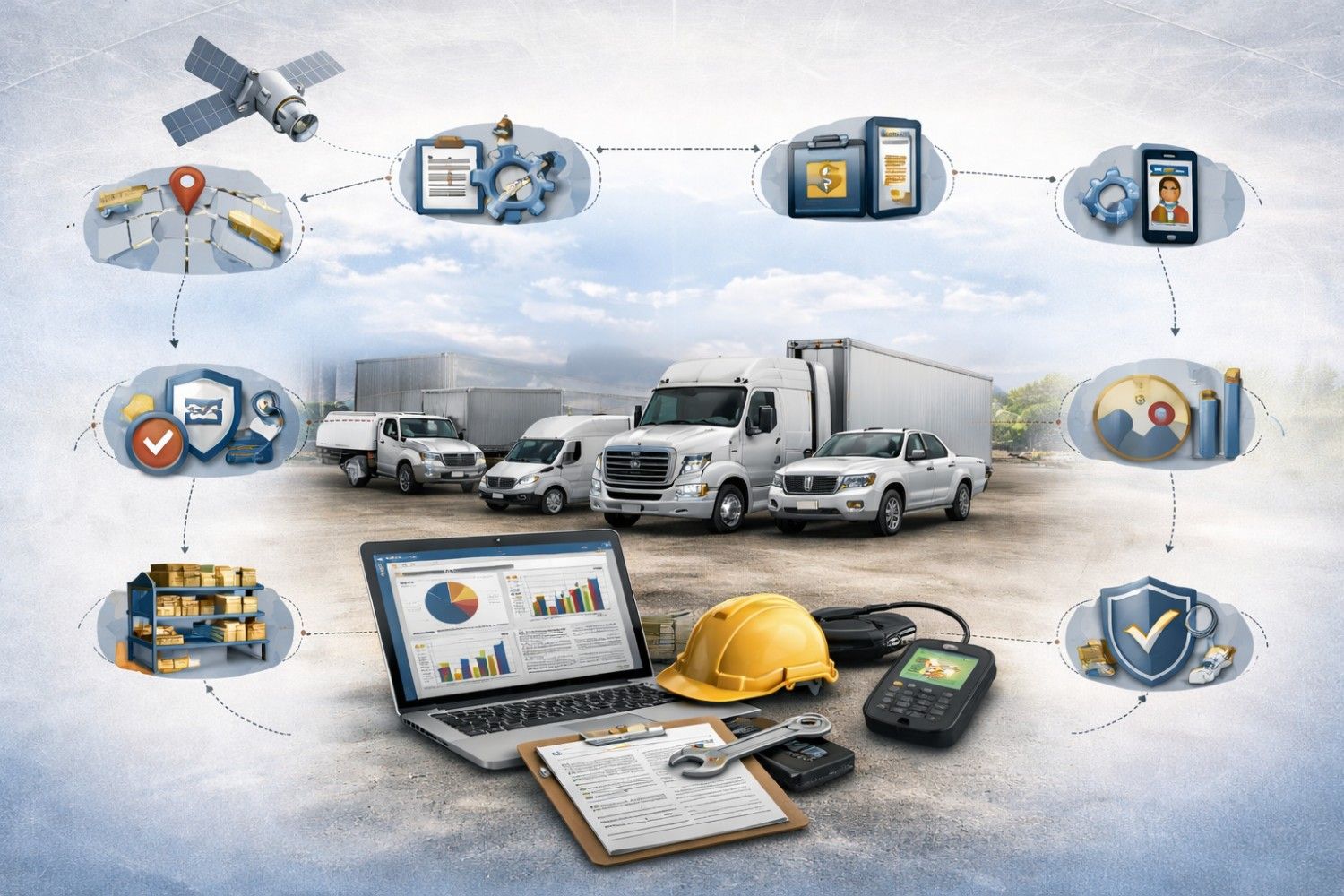
Final Takeaways
Fleet asset management is a foundational operational discipline that directly impacts cost, uptime, and fleet performance.
- Treat assets as lifecycle-managed resources, not just vehicles.
- Use data to guide utilization and maintenance decisions.
- Balance workload to extend asset lifespan.
- Standardize processes across the fleet.
- Continuously monitor performance metrics.
AUTOsist Fleet Management Resources
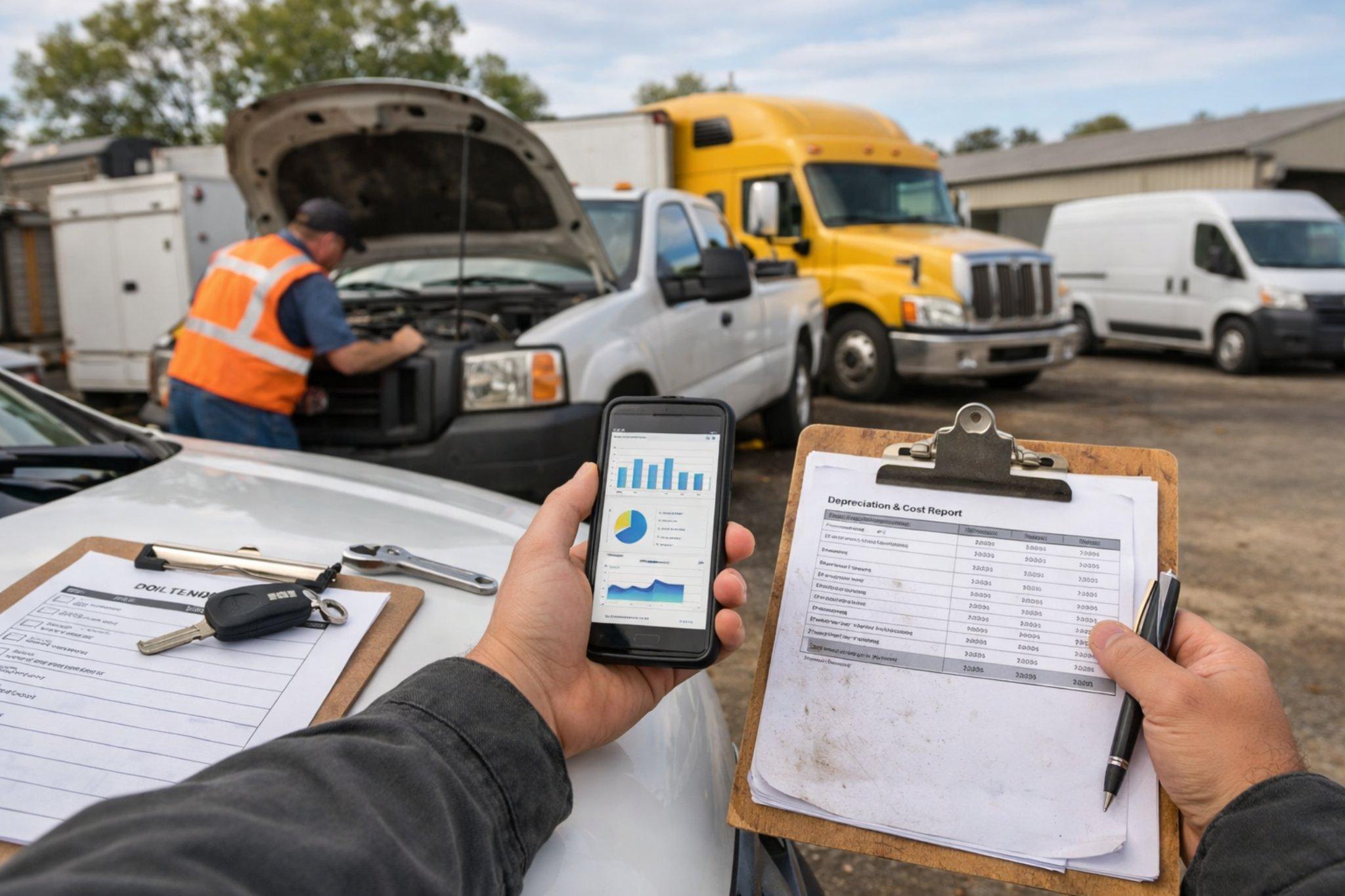
Asset Lifecycle
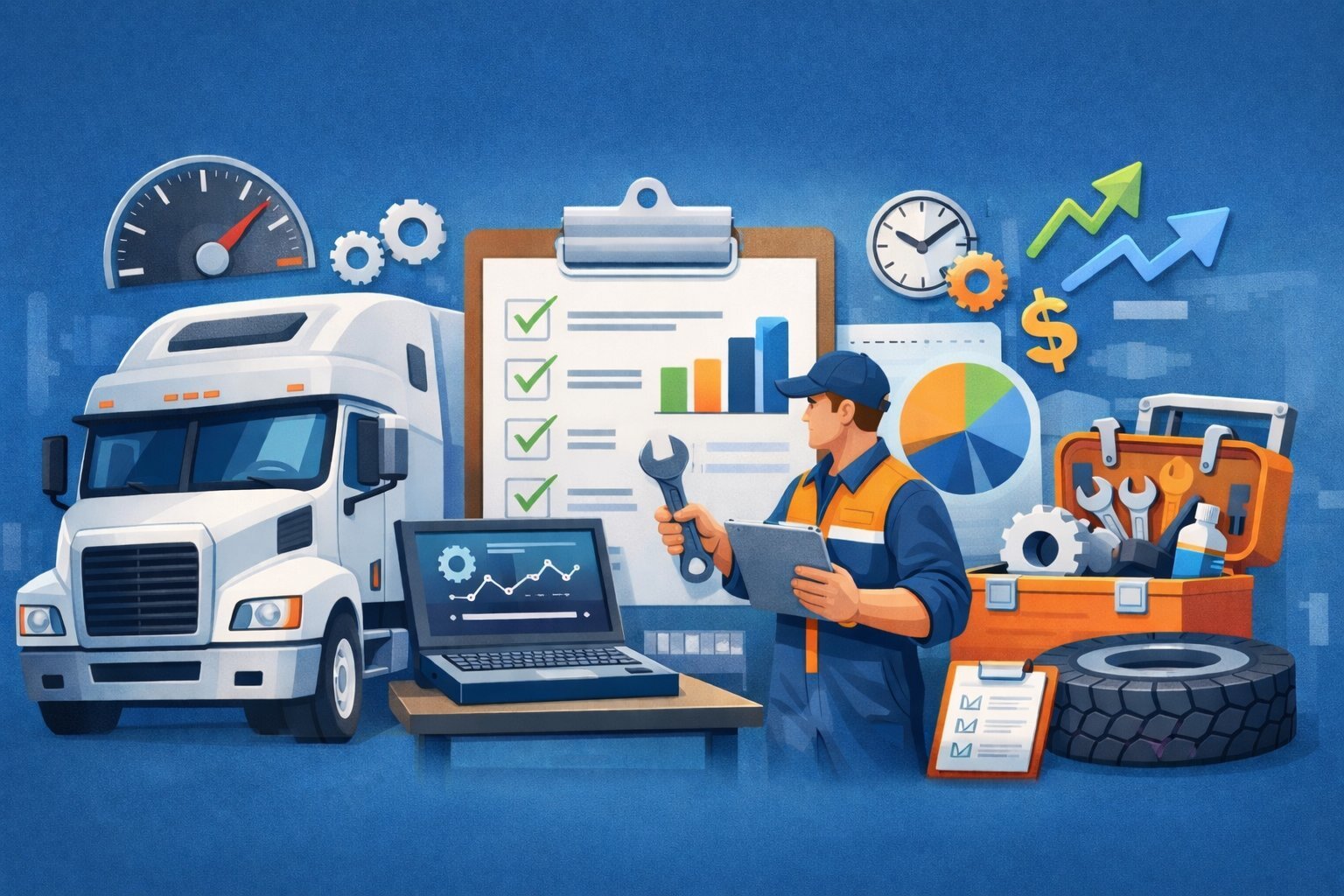
Performance Metrics
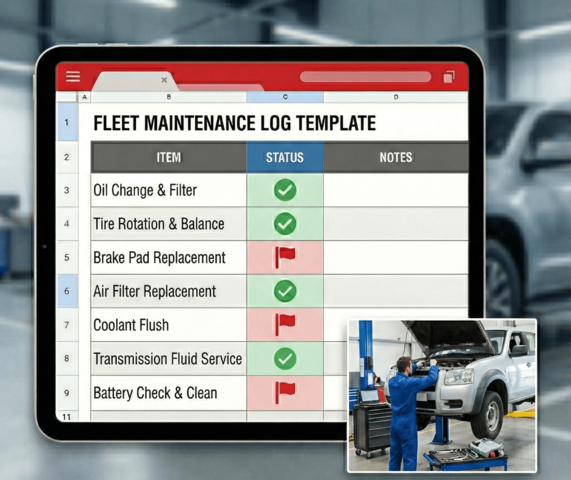
Maintenance Records
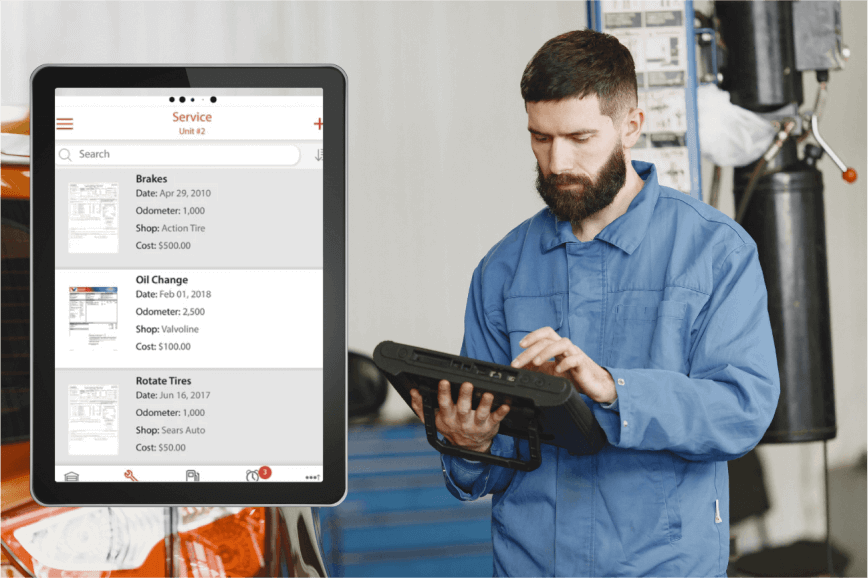
Service History