Driver Behaviour Monitoring: A Fleet Manager's Reference Guide
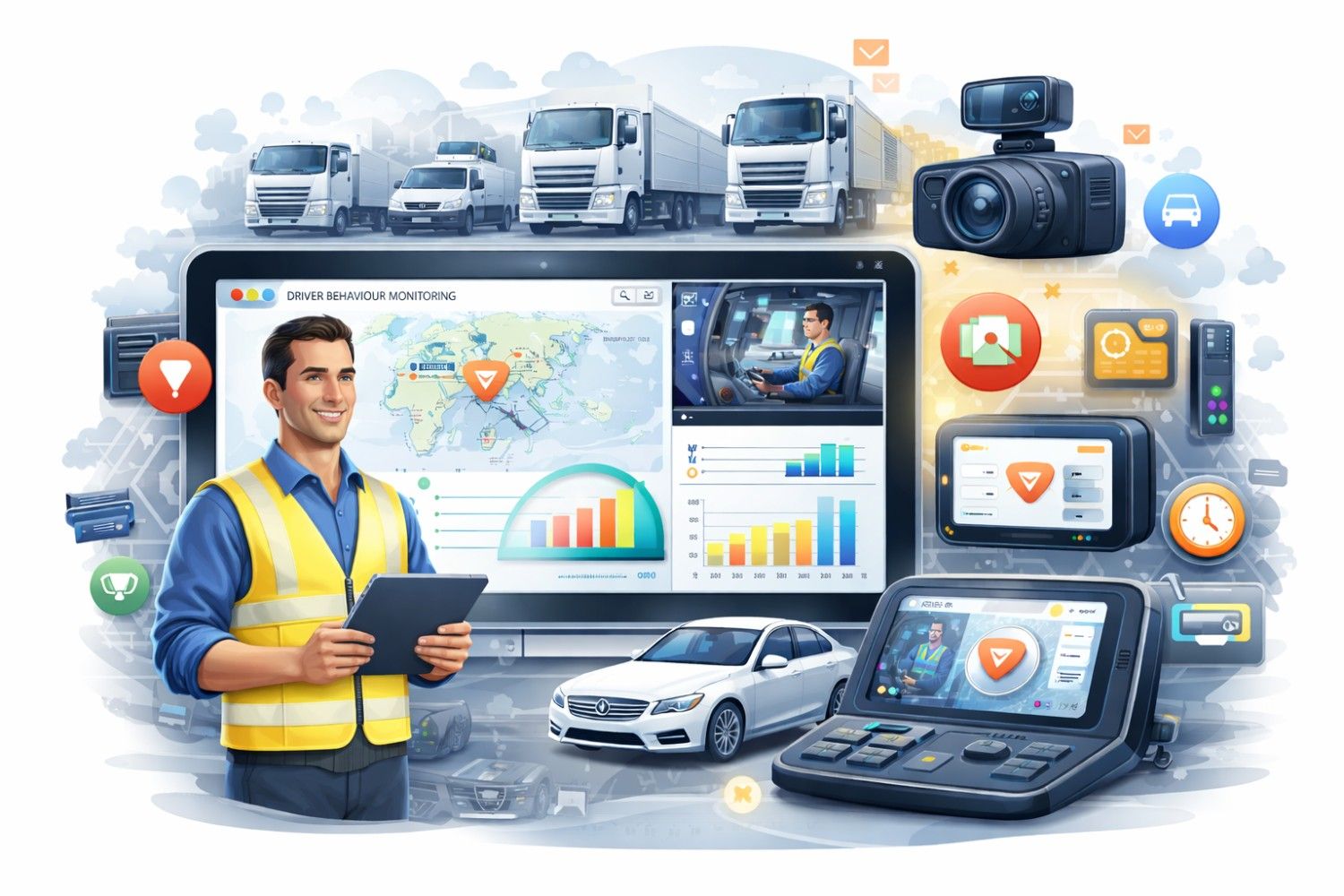
Driver behaviour monitoring is the systematic process of tracking, recording, and analysing how drivers operate fleet vehicles — including speed, braking, acceleration, cornering, and idling patterns. For fleet operations, it provides the data foundation needed to reduce accident risk, control fuel and maintenance costs, and build consistent safety standards across the entire fleet.
Data Collection Methods: Telematics vs. Manual Observation
Fleet managers have two primary approaches to collecting driver behaviour data. The method chosen affects data quality, consistency, coverage, and the operational effort required to sustain the program.
| Method | Data Captured | Real-Time Capability | Cost Tier |
|---|---|---|---|
| GPS Telematics | Speed, location, harsh events, idling | Yes | Medium–High |
| Dashcams | Video footage, forward collision alerts | Yes (with AI) | Medium |
| ELD Systems | Hours of service, speed via GPS | Yes | Medium |
| Manual Observation | Supervisor assessments, ride-alongs | No | Low |
Telematics-Based Monitoring vs. Manual Observation
These two approaches are not mutually exclusive, but they differ significantly in what they can reliably deliver at fleet scale.

Telematics-Based Monitoring
- Captures Behaviour data continuously across every vehicle, every shift
- Eliminates observer bias and inconsistency between supervisors
- Generates timestamped records usable for incident investigation and compliance

Manual Observation
- Dependent on supervisor availability and scheduling
- Coverage is limited to observed events — most incidents go unrecorded
- Useful as a supplement for coaching conversations, but not as a primary data source
Key Behaviours Tracked in Fleet Monitoring Programs
Driver monitoring programs focus on measurable Behaviours that have a documented link to safety incidents, vehicle wear, and fuel consumption. Not all Behaviours carry equal weight — the monitoring system should be configured to flag events that represent genuine operational risk.
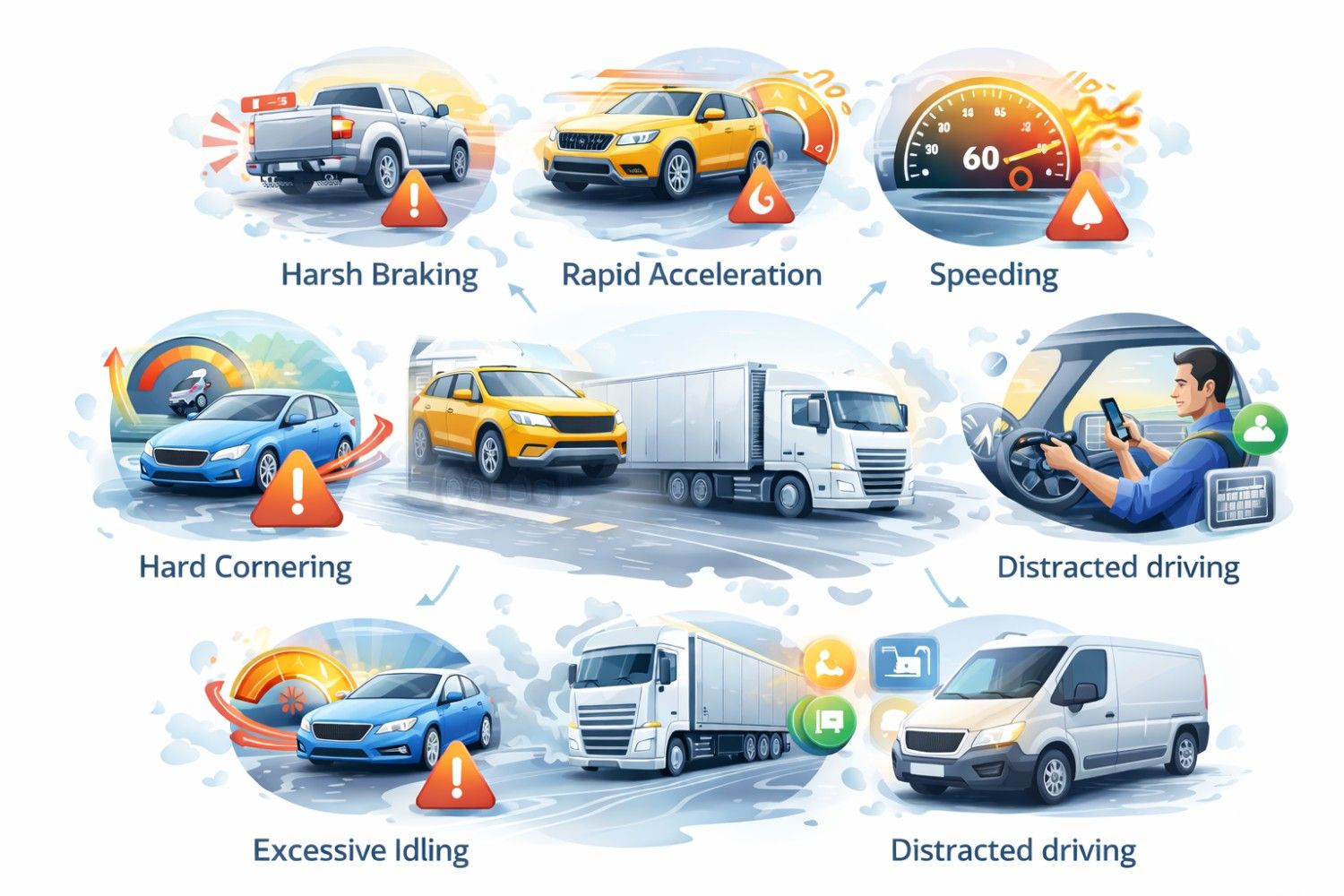
The Behaviours most commonly tracked across commercial fleet programs include:
- Harsh braking — sudden deceleration events that indicate following too closely or distracted driving, and accelerate brake pad and rotor wear
- Rapid acceleration — aggressive throttle application that increases fuel consumption and drivetrain stress
- Speeding — sustained or repeated operation above posted limits, the single strongest predictor of accident severity
- Hard cornering — lateral g-force events indicating excessive speed through turns, linked to tire wear and rollover risk in taller vehicles
- Excessive idling — engine running while stationary for extended periods, a direct and measurable fuel cost with no operational benefit
- Seatbelt non-compliance — detected via telematics or dashcam and reportable for both safety and insurance purposes
- Distracted driving — identified through AI-enabled dashcam systems that detect phone use or forward inattention
How Driver Behaviour Data Is Collected
Modern fleets use a combination of hardware and software tools to capture Behaviour data. The appropriate combination depends on fleet size, vehicle type, regulatory requirements, and budget. For fleets already using a GPS telematics integration, much of this data is available without additional hardware.
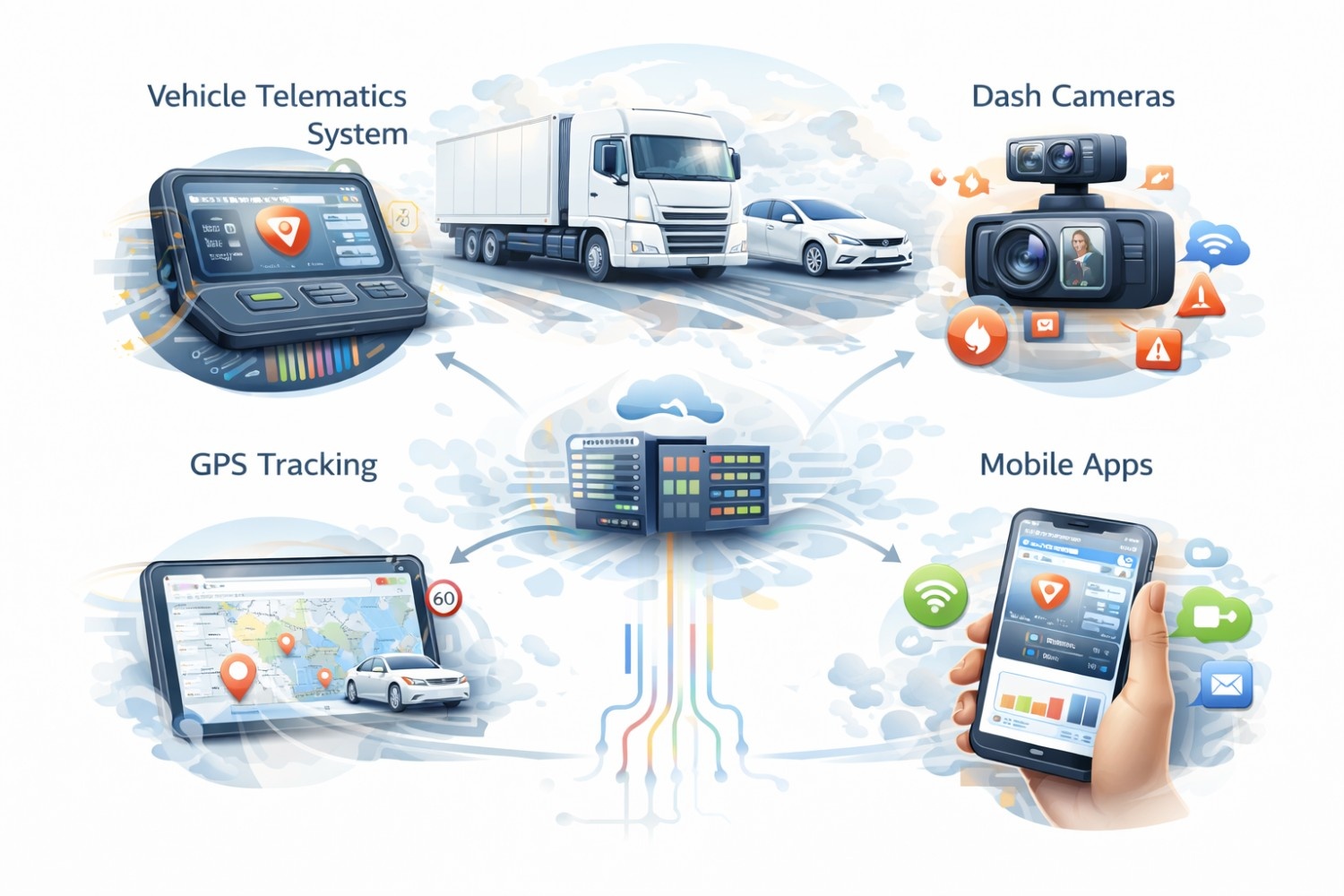
The primary collection tools in use across commercial fleets are:
- GPS telematics devices — hardwired or OBD-II connected units that transmit location, speed, and event data in real time; the most widely deployed method for fleets of any size
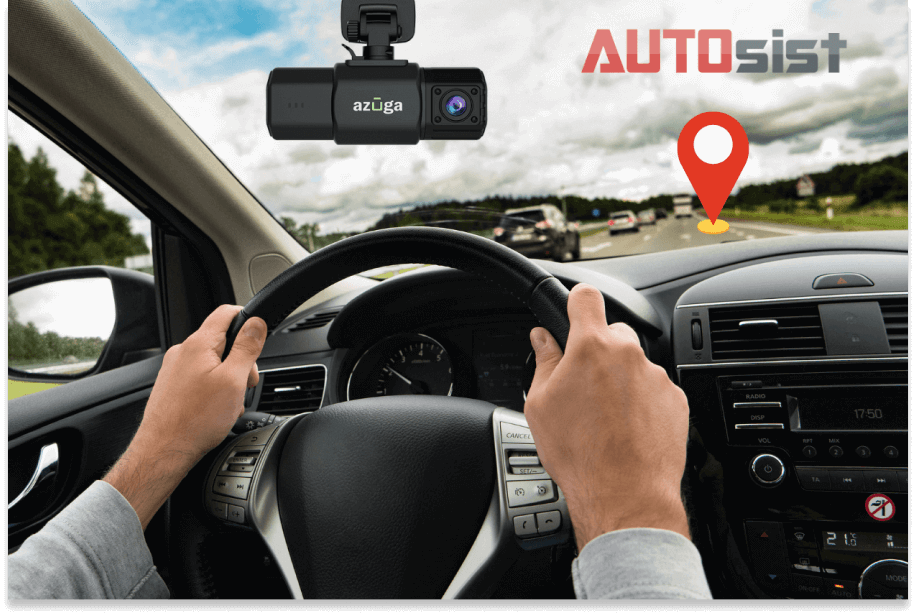
- AI-enabled dashcams — forward and inward-facing cameras that use computer vision to detect harsh events, distraction, and collision risk; fleet dash cameras provide both event footage and Behavioural scoring
- Electronic Logging Devices (ELDs) — mandated for most commercial vehicles; capture hours-of-service data alongside speed and GPS position
- driver scorecards — aggregated outputs from telematics platforms that assign a numeric score per driver based on weighted Behaviour events over a defined period
- Manual ride-along assessments — supervisor-led observation used for onboarding, post-incident coaching, or periodic spot checks
Using Behaviour Data to Reduce Risk and Cost
Collecting data without an action plan produces no operational outcome. The value of driver Behaviour monitoring is realized when data is used systematically to identify patterns, prioritize interventions, and measure change over time.
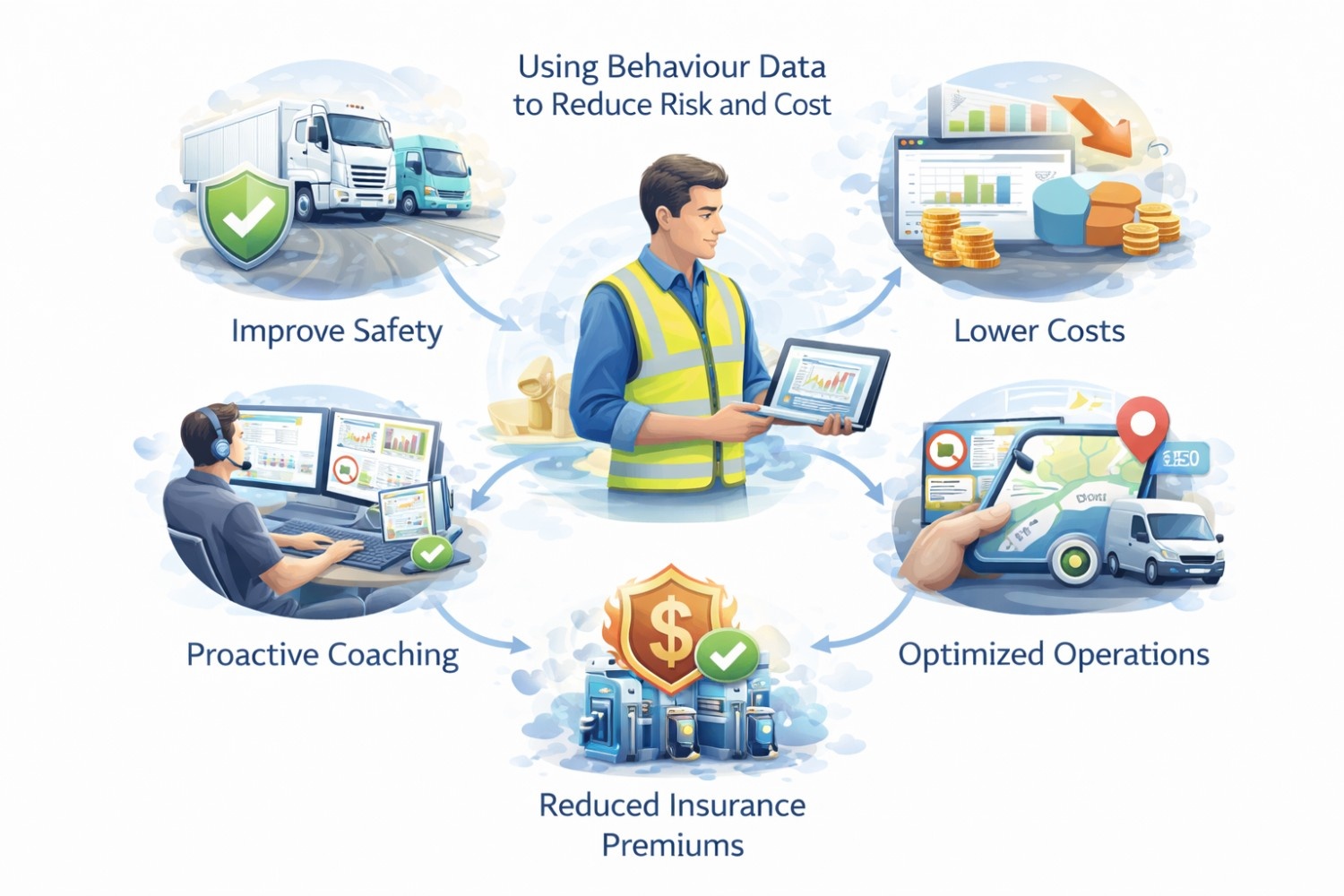
Fleet managers and safety coordinators typically apply Behaviour data in the following ways:
- Structured driver coaching — using event data and scorecard trends to hold documented, evidence-based conversations with individual drivers rather than relying on general reminders
- Tiered intervention protocols — defining clear thresholds (e.g., three harsh braking events per week triggers a coaching session; five triggers a formal review) so responses are consistent and defensible
- Fuel cost reduction — idling reports and acceleration data directly inform fuel consumption; fleets that act on idling data consistently report measurable per-vehicle fuel savings
- Maintenance impact tracking — correlating aggressive driving scores with vehicle wear data helps maintenance teams anticipate brake, tire, and drivetrain service needs earlier; this connects naturally to a preventive maintenance program
- Insurance and liability management — documented Behaviour records and dashcam footage support dispute resolution after incidents and may qualify fleets for reduced insurance premiums with carriers that accept telematics data
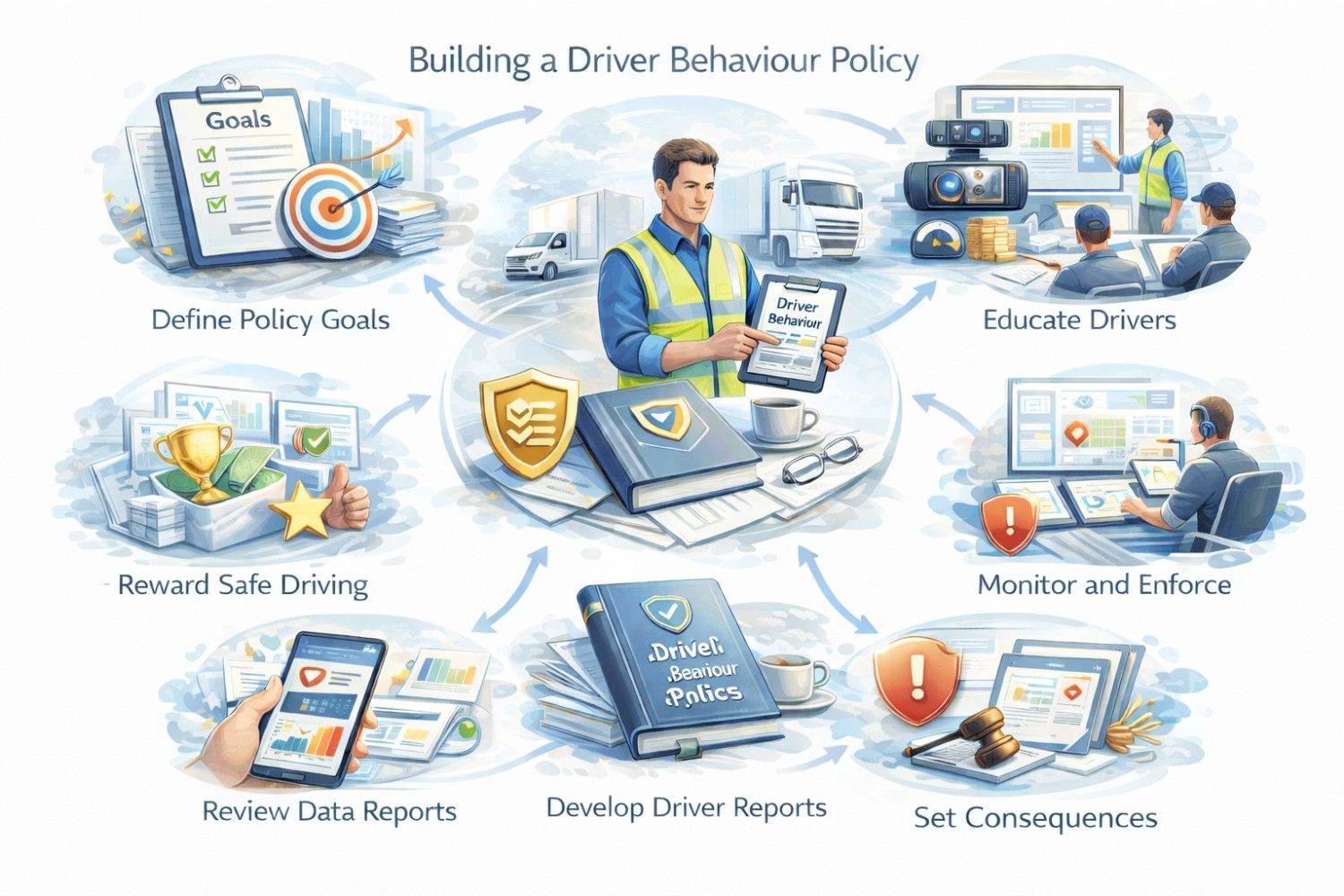
Building a Driver Behaviour Policy
A monitoring program without a written policy creates inconsistency, legal exposure, and driver distrust. The policy defines what is monitored, how data is used, and what consequences apply — and it must be communicated clearly before monitoring begins.
A complete driver Behaviour policy addresses the following elements:
- Scope of monitoring — explicitly state which devices are in use, what data is collected, and that vehicles are monitored during all operational hours
- Defined Behaviour thresholds — specify what constitutes a flagged event for each Behaviour category (e.g., speeding defined as 10+ mph over posted limit for 30+ seconds)
- Scoring methodology — explain how individual events are weighted and how overall driver scores are calculated and reviewed
- Coaching and disciplinary process — outline the sequence of responses from first notification through formal action, with consistent application across all drivers
- Driver acknowledgment — require signed acknowledgment from all drivers confirming they understand the monitoring program before it begins
- Data retention and access — specify how long Behaviour records are stored and who within the organization can access them
A daily vehicle inspection checklist can be integrated alongside Behaviour monitoring to create a complete pre-shift accountability record.
Final Takeaways
Driver Behaviour monitoring is most effective when it is consistent, data-driven, and connected to a clear response process. Technology alone does not improve driver performance — the program structure around the data determines whether it produces results.
Operationally effective programs share these characteristics:
- Monitoring is continuous and applies equally to all drivers — not selective or event-triggered only.
- Behaviour data is reviewed on a defined cadence (weekly or monthly) rather than only after incidents.
- Coaching is documented, referenced to specific events, and separated from disciplinary action where possible.
- Policy terms are written, communicated in advance, and applied consistently across the fleet.
- Program outcomes are measured — accident rates, fuel costs, and maintenance frequency should reflect improvement over time.
AUTOsist Fleet Management Resources
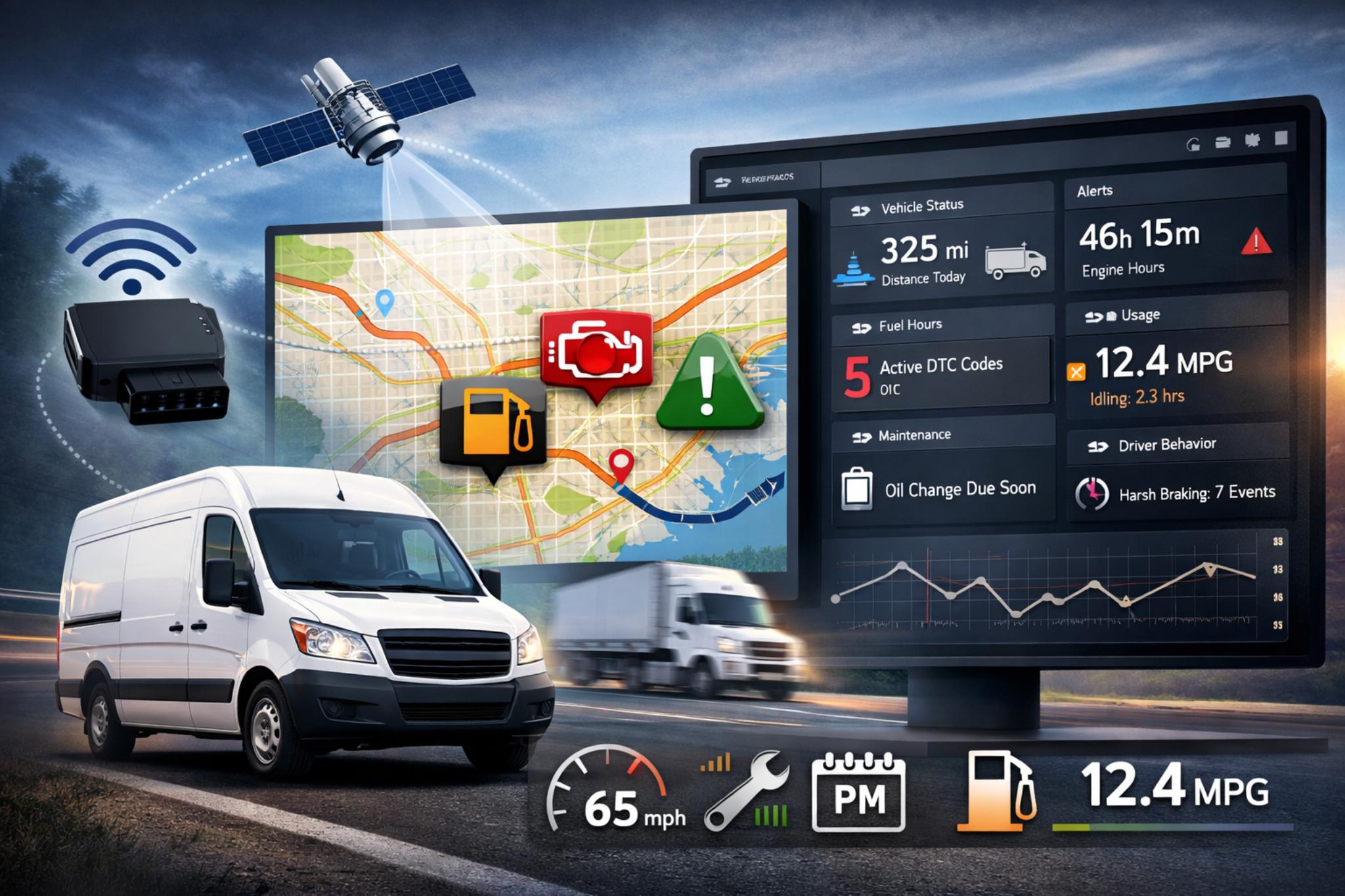
GPS Telematics Integration
Preventive Maintenance Program
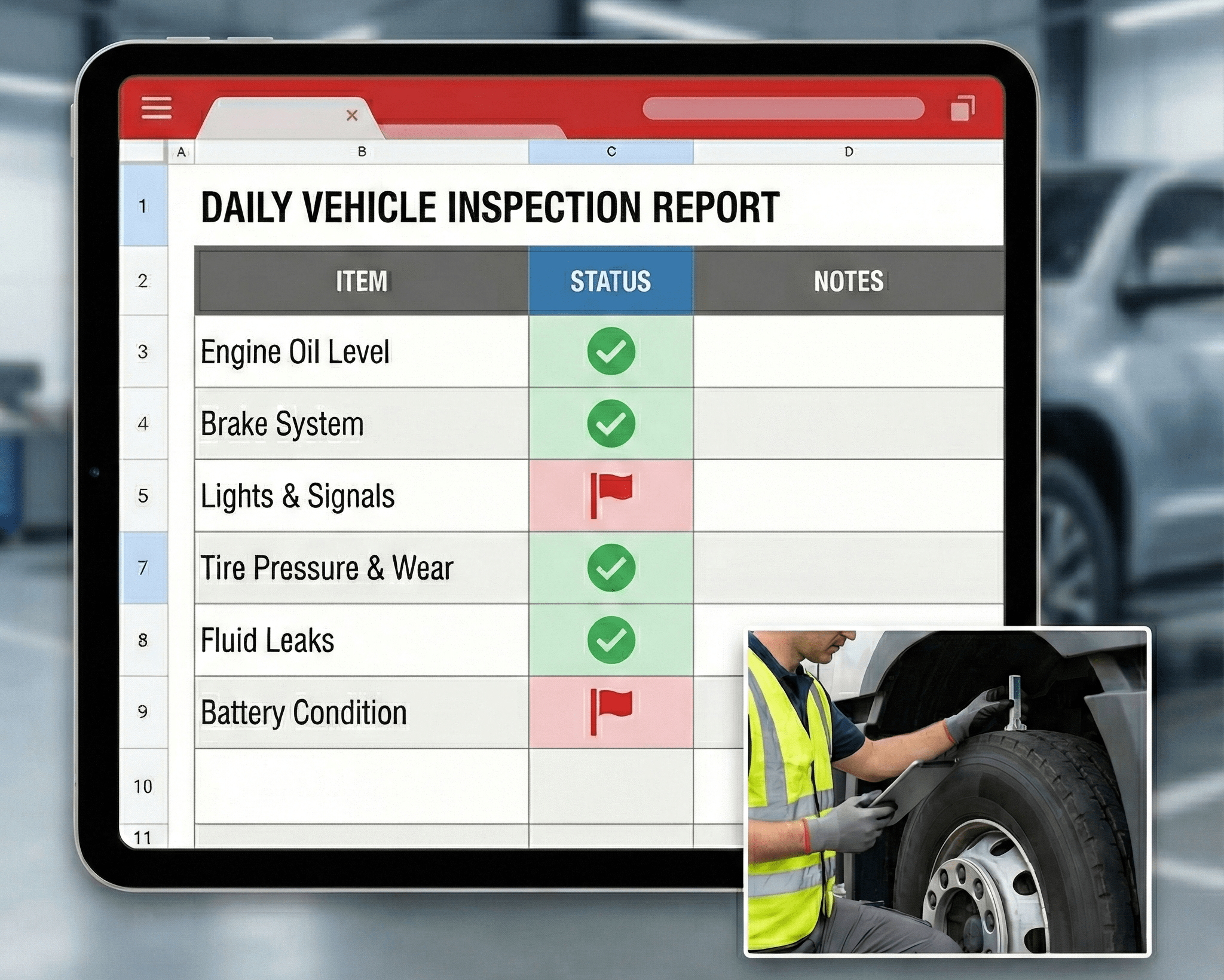
Daily Vehicle Inspection Checklist
Fleet Dash Cameras