Digital Vehicle Inspection Apps for Fleets
Digital vehicle inspection apps allow fleets to standardize daily and scheduled inspections, capture defects in real time, and create traceable maintenance records. For fleet managers, they reduce paperwork risk, improve defect visibility, and strengthen compliance oversight across vehicles, equipment, and locations.
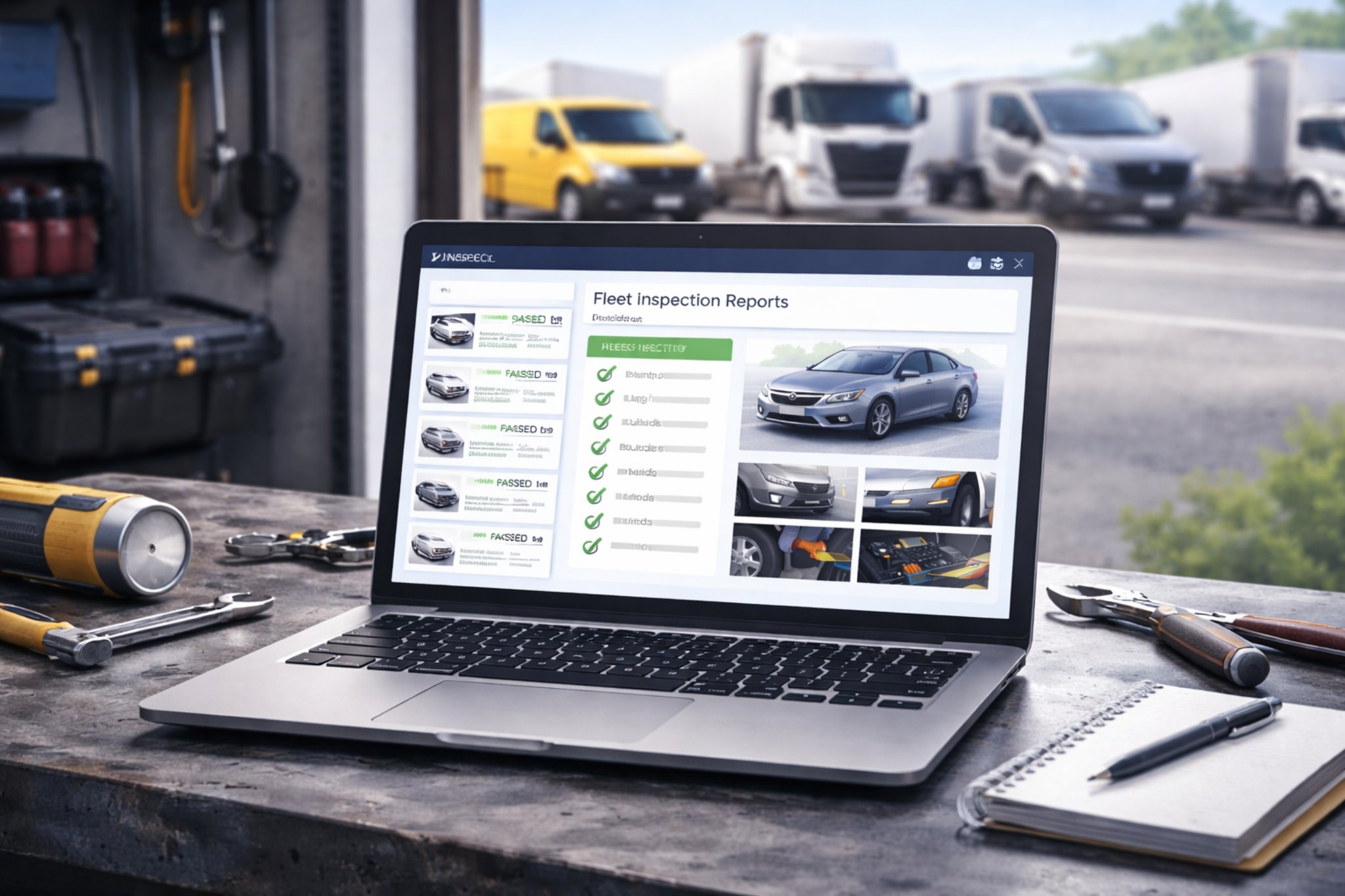
Defect Severity → Action Routing Matrix
| Defect Severity | Operational Impact | Required Action | Documentation Control |
|---|---|---|---|
| Minor | No safety impact | Monitor or schedule | Photo + note required |
| Moderate | Performance risk | Create work order | Supervisor review |
| Major | Safety/compliance risk | Remove from service | Immediate escalation |
| Critical | Regulatory violation | Lockout vehicle | Compliance record flag |
| Repeated Issue | Recurring failure | Root cause analysis | Linked service history |
Standalone Inspection App vs Integrated Maintenance Platform
Standalone Inspection App
- Inspections stored separately from maintenance records
- Manual transfer of defects into work orders
- Limited lifecycle visibility
- Higher risk of unresolved repeat defects

Integrated Maintenance Platform
- Defects convert directly into work orders
- Inspection history linked to service records
- Preventive schedules updated based on findings
- Centralized reporting across vehicles and locations
What a Digital Vehicle Inspection App Does in Fleet Operations
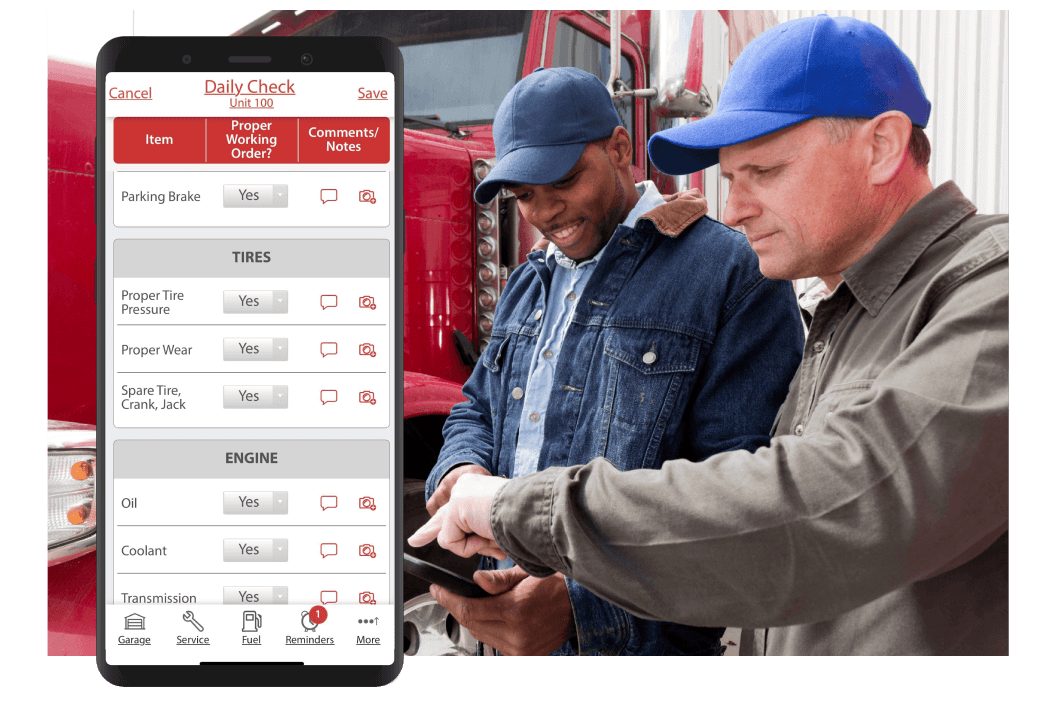
A digital inspection system replaces paper DVIR processes with standardized, mobile-based workflows that capture inspection results consistently across drivers and technicians.
- Digitizes daily driver inspections and scheduled shop inspections
- Standardizes checklist items by asset type
- Requires photo evidence for defects
- Captures timestamps, GPS location, and digital signatures
- Centralizes inspection data across the fleet
Operational outcome:
- Fewer missed defects
- Reduced paperwork errors
- Faster issue escalation
For broader inspection planning frameworks, fleets often align app workflows with a formal vehicle inspection guide and structured compliance oversight such as a fleet compliance guide.

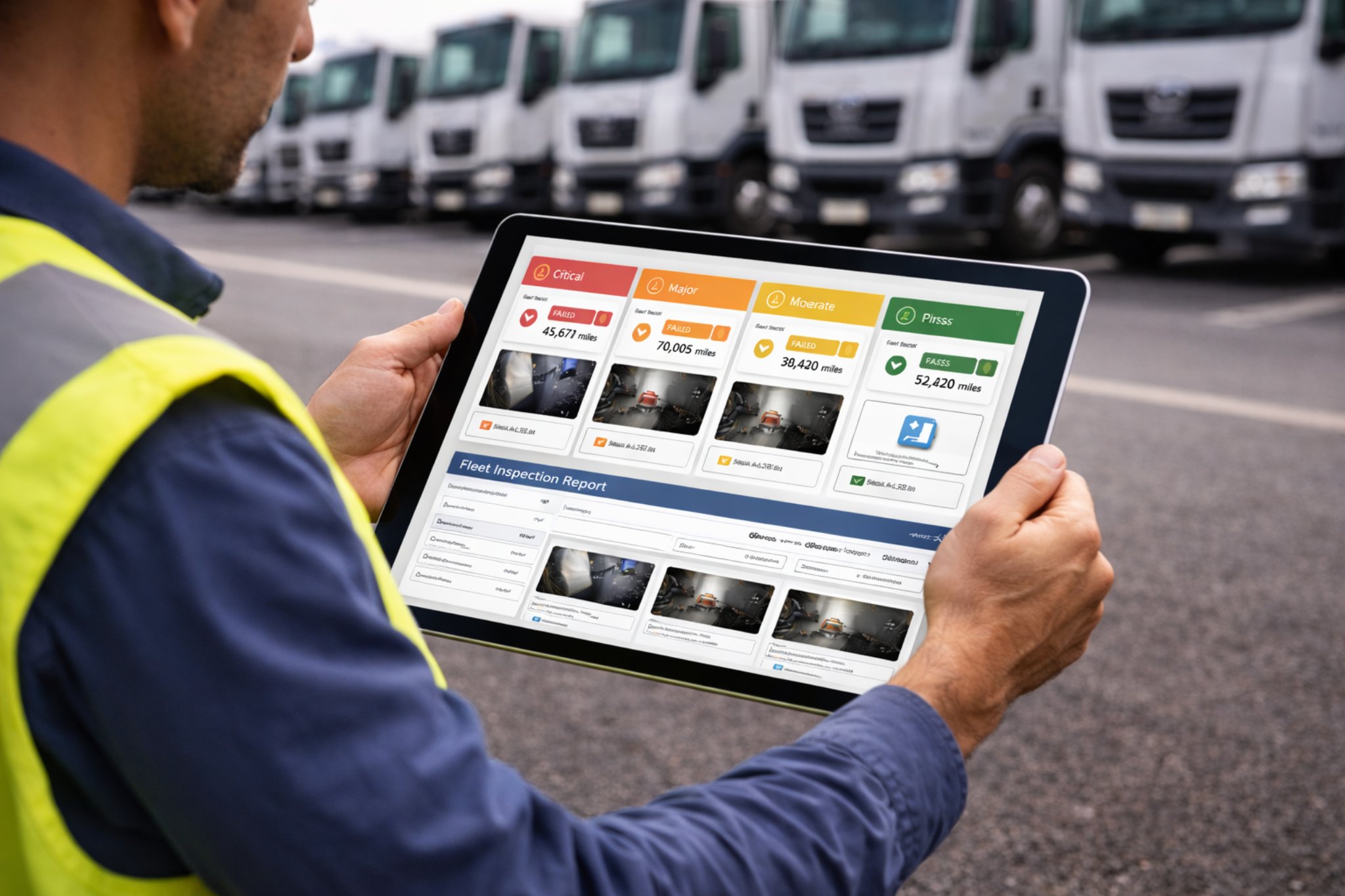
Inspection Data Model and Standardization Controls
Inspection quality depends on structure. A well-configured inspection app enforces standardized inputs rather than free-text reports.
- Asset-based checklist templates (vehicle, equipment, trailer)
- Pass/fail logic instead of open narrative fields
- Severity grading controls
- Required photos for specific line items
- Odometer or engine-hour capture
Standardization reduces subjectivity and improves reporting consistency, particularly in multi-location fleets.
Operational outcome:
- Comparable inspection data across teams
- Easier KPI tracking
- Improved audit defensibility
Defect Reporting, Triage, and Work Order Handoff
Inspection value is realized only when findings trigger action. Effective apps connect inspection defects to structured maintenance workflows.
- Automatic defect categorization by severity
- Supervisor approval routing
- Conversion of failed items into maintenance tickets
- Assignment to technicians or vendors
- Closure verification with repair documentation
When inspections feed into work order systems, defect resolution becomes measurable. Fleets often reinforce this workflow using a standardized inspection reference such as a vehicle inspection checklist for policy alignment.
Operational outcome:
- Reduced unresolved defects
- Shorter repair cycle times
- Clear accountability trail


Compliance, Auditability, and Record Retention
Inspection records must be defensible. Regulators and auditors expect traceable, tamper-resistant documentation.
- Driver or technician digital signature capture
- Timestamped submissions
- Immutable defect logs
- Retention policies aligned with regulatory requirements
- Searchable historical inspection archive
Proper record management supports audit preparation and aligns with documented retention policies described in guidance such as how long to keep fleet maintenance records.
Operational outcome:
- Stronger audit readiness
- Reduced compliance exposure
- Improved documentation governance
Deployment Planning for Drivers, Technicians, and Multi-Location Fleets
Implementation success depends on operational design rather than technology alone.
- Define inspection frequency by asset class
- Train drivers on defect severity definitions
- Configure approval workflows by location
- Establish escalation protocols for safety-critical findings
- Monitor inspection completion rates through dashboards
Governance controls are especially important for fleets operating across regions or departments.
Operational outcome:
- Higher adoption consistency
- Reduced policy deviations
- Predictable inspection compliance rates

Final Takeaways
Digital vehicle inspection apps standardize defect reporting, improve maintenance coordination, and strengthen compliance documentation when properly configured.
- Standardize inspection templates before rollout.
- Define severity categories clearly.
- Ensure defects convert into work orders.
- Monitor completion and resolution metrics.
- Maintain defensible inspection records.
AUTOsist Fleet Management Resources
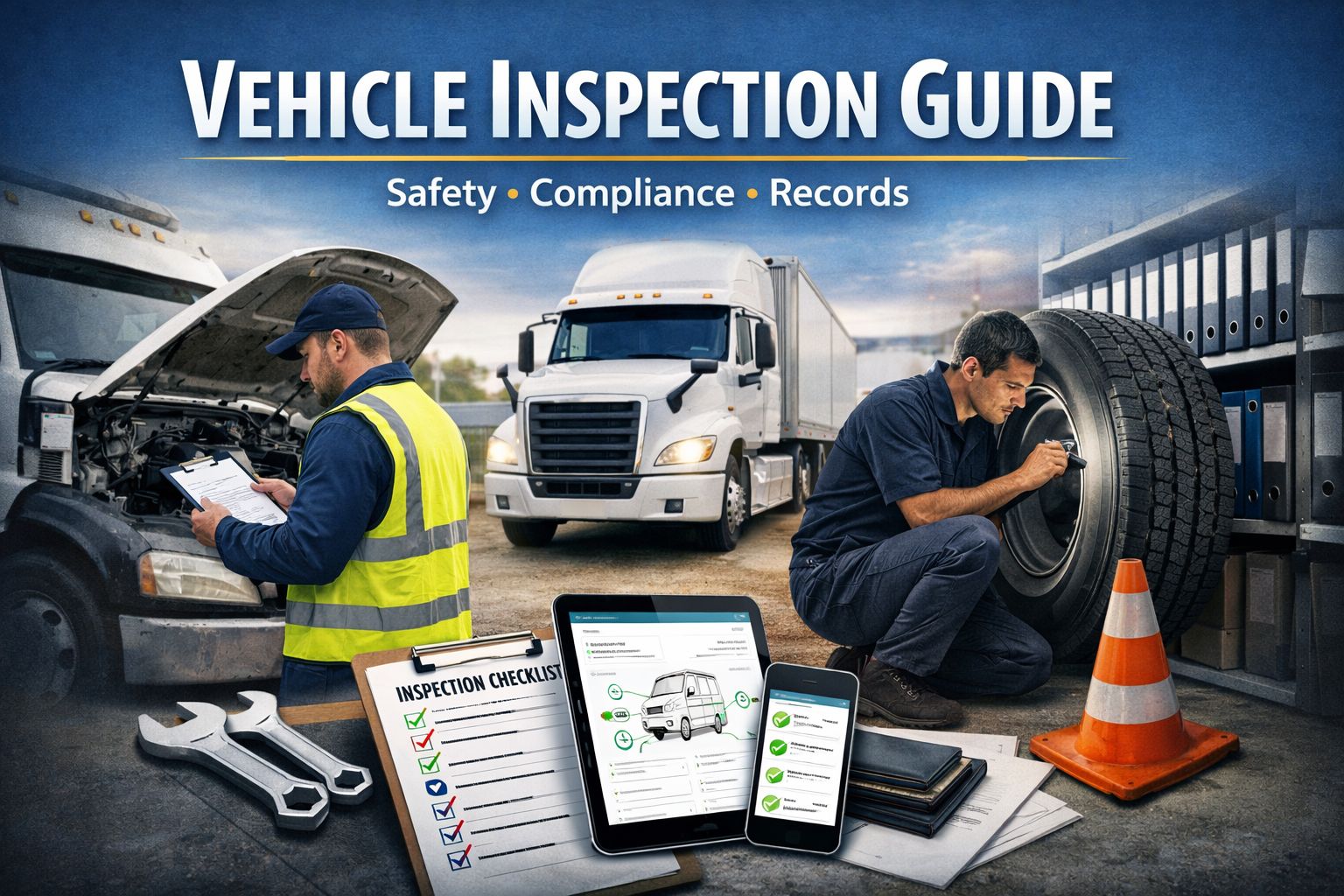
Vehicle Inspection Guide
Fleet Compliance Guide
Vehicle Inspection Checklist
Digital Vehicle Inspection App