 Miya Bholat
Feb 02, 2026
What Fleet Maintenance Software Really Does (and Where Its Limits Are)
Key Takeaways: Understanding Fleet Maintenance Software Capabilities
- Fleet maintenance software excels at organization and visibility — It centralizes schedules, records, and costs into one system.
- Preventive maintenance is the biggest value driver — Automated reminders and planning reduce breakdowns and downtime.
- Software supports, but doesn’t replace, people and processes — Skilled staff and clear workflows are still essential.
- Expect reduction, not elimination, of breakdowns — The goal is fewer surprises and faster response, not perfection.
- Compliance becomes easier, not automatic — Documentation improves, but fleets must still act on findings.
- Readiness depends on pain points, not fleet size — Complexity and risk matter more than vehicle count.
- Realistic expectations lead to better ROI — Fleets that understand both capabilities and limits see the most value.
What Is Fleet Maintenance Software?
Fleet maintenance software is a digital system designed to help fleet managers plan, track, and control vehicle maintenance activities in one centralized place. Its core purpose is simple: reduce downtime, control costs, and keep vehicles safe and compliant by replacing spreadsheets, paper logs, and disconnected tools with structured workflows and reliable data.
This type of software is typically used by fleet managers, maintenance supervisors, shop managers, and operations teams responsible for keeping vehicles on the road. Whether the fleet includes trucks, vans, heavy equipment, or mixed assets, the software acts as the system of record for maintenance-related decisions. Instead of relying on memory or manual reminders, teams use data-driven schedules and historical records.
Fleet maintenance software exists because reactive maintenance is expensive and chaotic. Missed oil changes, incomplete inspections, and lost service records all lead to higher repair costs and preventable downtime. A structured system gives fleets visibility and consistency, which becomes increasingly important as fleet size grows or compliance requirements increase.
Core Functions: What Fleet Maintenance Software Does Well
Fleet maintenance software excels at organizing, standardizing, and tracking maintenance activities across vehicles and equipment. While specific features vary by platform, the capabilities below define what this category of software does best.
Preventive Maintenance Scheduling
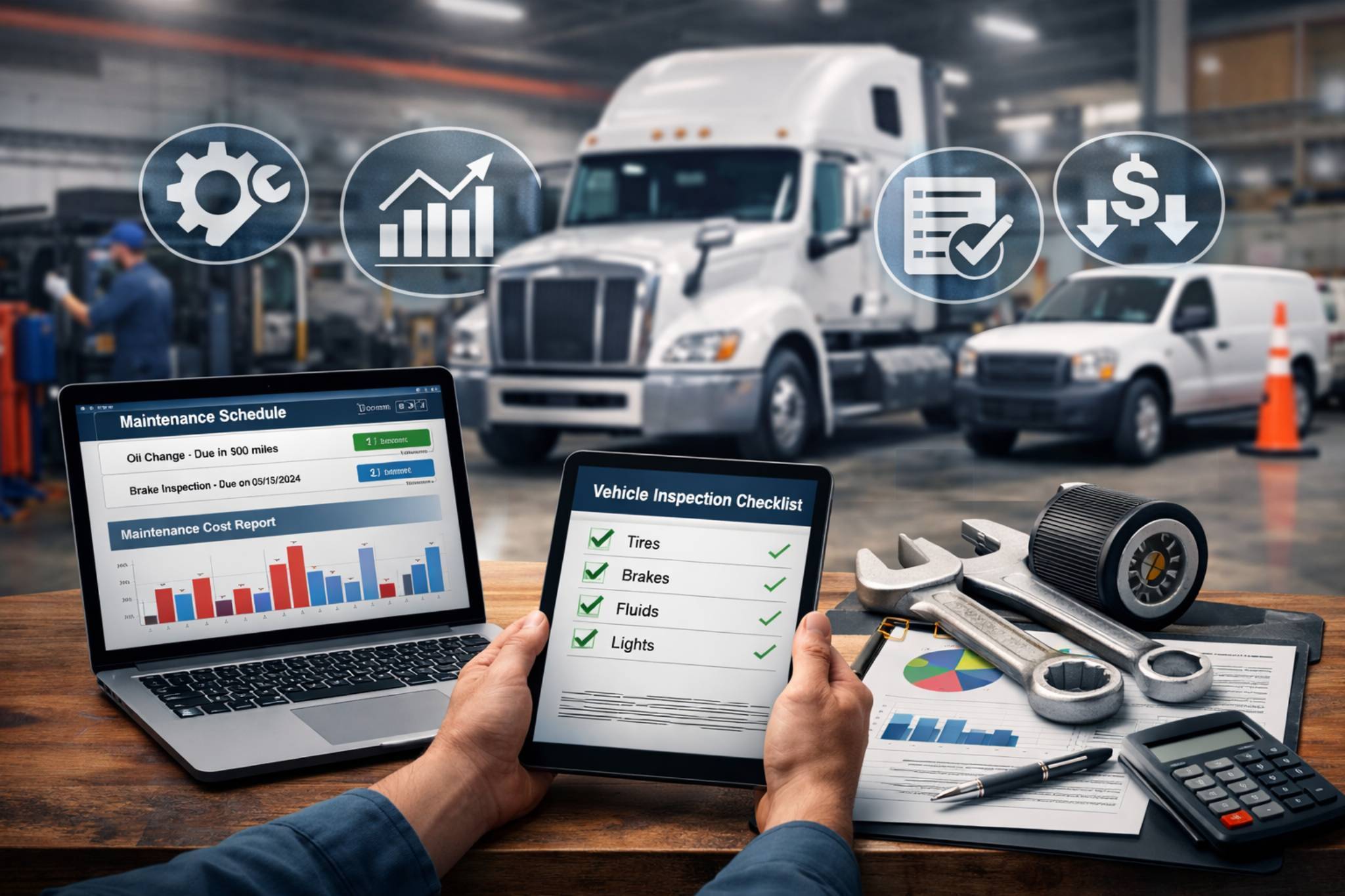
Preventive maintenance scheduling is the backbone of fleet maintenance software. The system automatically schedules service tasks based on mileage, engine hours, time intervals, or OEM recommendations. Instead of waiting for a breakdown, fleets receive reminders before maintenance is overdue.
Most platforms provide a centralized maintenance calendar and automated alerts for upcoming services. This helps managers coordinate shop time, parts availability, and vehicle downtime more effectively. Tools like AUTOsist support this with structured fleet preventive maintenance schedules and reminders that adjust as odometer data updates.
Preventive scheduling doesn’t just reduce breakdowns—it also smooths workload planning. Fleets can spread maintenance evenly over weeks instead of reacting to emergencies, which lowers overtime costs and improves vehicle availability.
Work Order Management
Work order management centralizes how maintenance tasks are created, assigned, tracked, and closed. Instead of loose repair tickets or verbal instructions, work orders document the full lifecycle of each job.
A typical workflow includes creating a work order, assigning it to a technician or vendor, tracking labor and parts, and closing it once complete. This structure ensures nothing falls through the cracks. It also creates accountability by tying work to specific vehicles and costs.
Fleet maintenance work order software is especially valuable when multiple people are involved in repairs. Platforms like AUTOsist’s fleet maintenance work order software give managers visibility into job status without constant follow-ups or guesswork.
Parts and Inventory Tracking
Parts and inventory tracking helps fleets understand what parts they have, what’s being used, and what needs to be reordered. Without software, many fleets either overstock parts “just in case” or run out at the worst possible time.
Maintenance software tracks parts usage by vehicle and work order, creating a clear connection between inventory and actual maintenance activity. This allows fleets to spot trends, such as a component failing earlier than expected across multiple vehicles.
Key benefits of inventory tracking include:
- Preventing stockouts that delay repairs
- Reducing excess inventory and tied-up cash
- Understanding true maintenance costs by part
- Supporting better vendor and purchasing decisions
For fleets managing in-house inventory, tools like parts inventory management software help turn parts data into actionable insight instead of guesswork.
Maintenance History and Vehicle Records
Fleet maintenance software acts as a permanent, searchable record of everything done to each vehicle. This includes services performed, parts replaced, inspection results, and repair notes.
Centralized vehicle service history is critical for compliance audits, warranty claims, and resale documentation. Instead of digging through paper files or emails, managers can pull complete records in seconds. AUTOsist supports this through its vehicle service history system, which keeps records tied directly to each asset.
Historical data also supports better decisions. Fleets can identify high-cost vehicles, recurring issues, and maintenance patterns that inform replacement planning and budget forecasting.
Cost Tracking and Budget Management
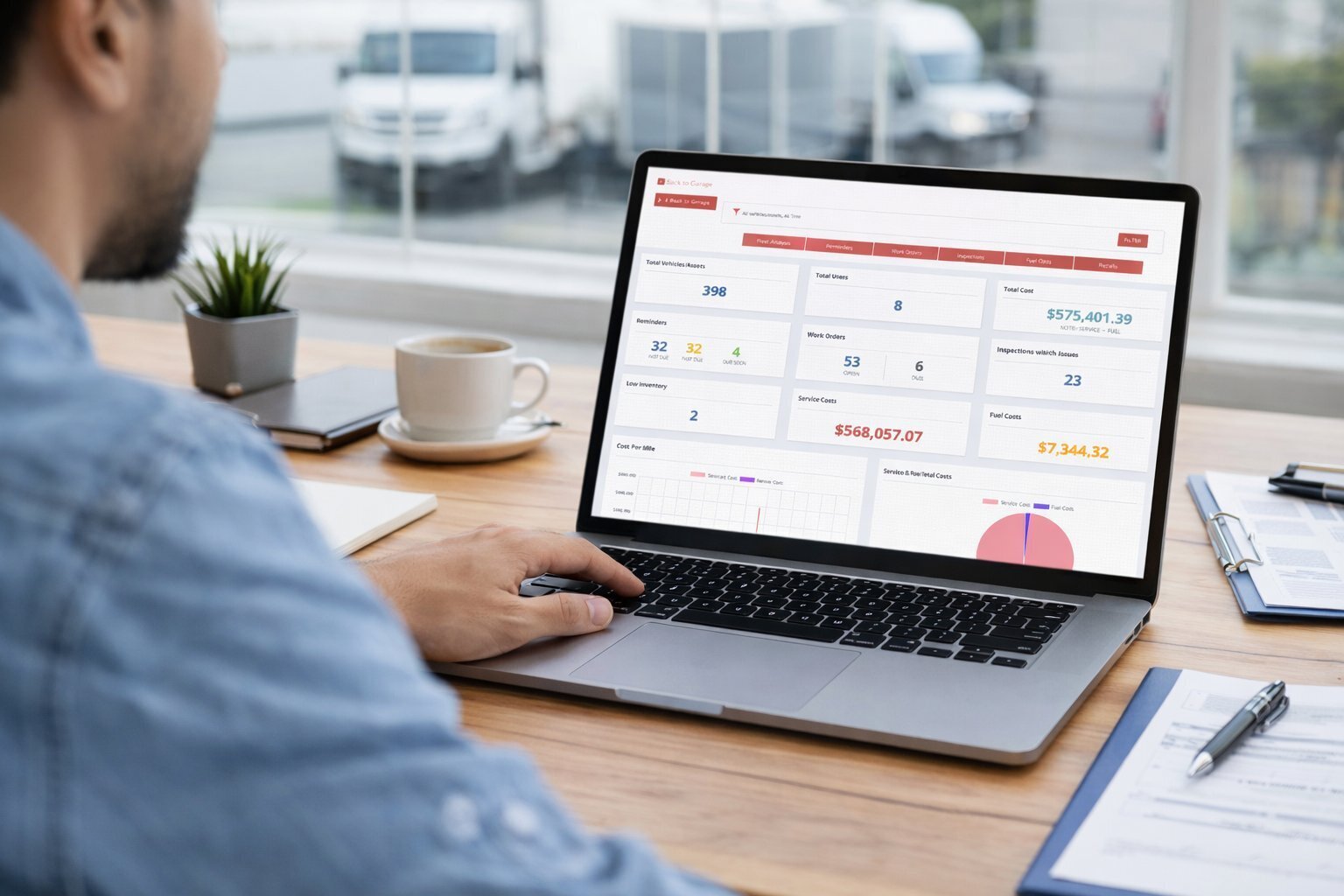
Cost tracking turns maintenance activity into financial insight. Fleet maintenance software records labor, parts, and external vendor costs at the vehicle level, making it easier to understand where money is actually going.
With this data, managers can compare maintenance cost per mile across vehicles or vehicle types. For example, if one truck consistently costs 30% more per mile to maintain than similar units, that’s a signal worth investigating.
Most systems also support budget monitoring by category or asset, helping fleets avoid surprises at the end of the year. When paired with dashboards and reports, maintenance costs stop being a black box and become manageable metrics.
Compliance and Inspection Management
Compliance and inspection management is a major reason fleets adopt maintenance software. The system schedules required inspections, stores completed inspection records, and tracks corrective actions.
Digital inspection tools reduce paperwork while improving accuracy. Drivers and technicians can complete inspections electronically, attach photos, and flag defects immediately. AUTOsist’s digital vehicle inspection app is designed to support DOT and safety inspections without manual forms.
Fleet maintenance software doesn’t just store compliance data—it makes it easier to prove compliance when auditors or regulators ask. That documentation can make the difference between a smooth inspection and costly violations.
Software Limits
Understanding limitations is just as important as understanding capabilities. Fleet maintenance software is powerful, but it’s not magic.
It Doesn't Physically Fix Vehicles
Software identifies, schedules, and documents maintenance needs—but it doesn’t turn wrenches. Mechanics, technicians, and vendors still perform the actual work.
The value of the software is in coordination and visibility, not physical repairs. Fleets that expect software alone to “solve maintenance” without skilled labor will be disappointed.
It Doesn't Eliminate All Breakdowns
Preventive maintenance reduces unexpected failures, but it can’t eliminate them entirely. Parts fail unpredictably, drivers make mistakes, and external factors still cause issues.
Fleet maintenance software lowers risk, not probability to zero. It helps fleets respond faster and learn from failures, but it doesn’t guarantee perfect uptime.
It Doesn't Replace Good Processes
Software supports processes—it doesn’t replace them. Fleets still need clear maintenance standards, trained staff, and accountability.
Without defined workflows, even the best system becomes an expensive digital filing cabinet. Success depends on how well the software is implemented and adopted by the team.
It Doesn't Automatically Integrate With Everything
While many platforms offer integrations, not every legacy system or OEM platform connects seamlessly. Some integrations require configuration, manual imports, or may not exist at all.
Fleets should evaluate integrations realistically, especially when using specialized equipment or proprietary systems.
Common Misconceptions About Fleet Maintenance Software
Fleet managers often approach maintenance software with assumptions that don’t hold up in practice. Below are a few common misconceptions worth clearing up.
- “It’s only for large fleets.” Smaller fleets often benefit the most because missed maintenance and downtime have a bigger operational impact.
- “It replaces fleet management software.” Maintenance software focuses on vehicle upkeep, not routing, dispatch, or payroll.
- “It guarantees compliance.” Software supports compliance, but fleets must still follow regulations and act on issues.
- “Setup is instant.” Real value comes after configuration, training, and consistent use—not day one.
Understanding these realities helps fleets set achievable expectations and avoid frustration.
How to Know If You Actually Need Fleet Maintenance Software
Not every fleet needs maintenance software immediately, but certain signals suggest it’s time to move beyond manual tracking. The question isn’t fleet size—it’s complexity and risk.
Fleets are typically ready when maintenance tracking starts breaking down. Missed services, unclear costs, and reactive repairs indicate that existing tools aren’t scaling. Software becomes a force multiplier once manual methods stop working reliably.
Here are practical indicators that maintenance software makes sense:
- Vehicles are missing scheduled services or inspections
- Maintenance costs are rising without clear explanations
- Records are scattered across spreadsheets or paper
- Compliance documentation takes too long to assemble
- Downtime is disrupting operations or customer commitments
When these issues appear consistently, software is usually more cost-effective than continuing to operate reactively.