 Miya Bholat
October 01, 2021
5 Signs You Should Replace Your Delivery Fleet
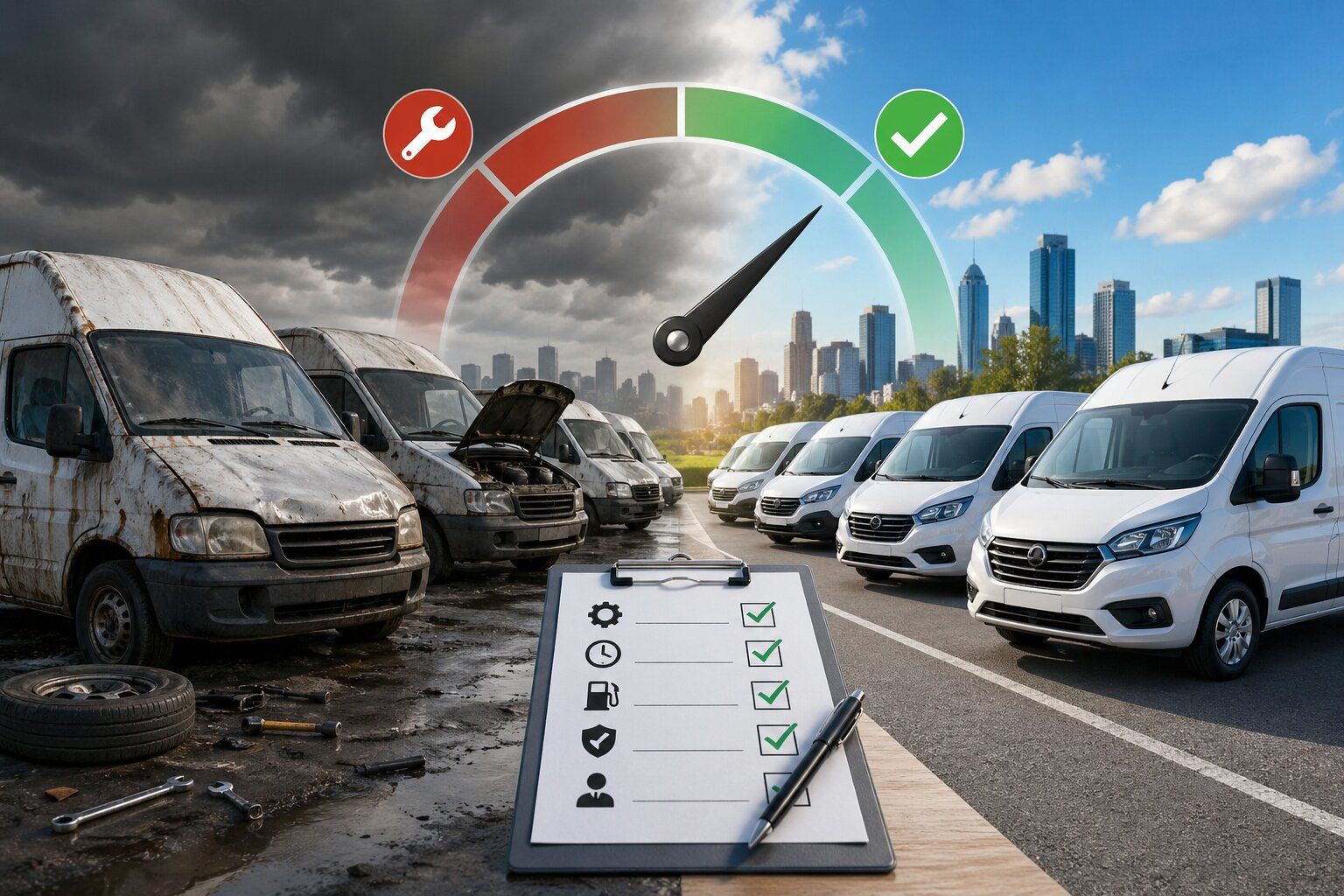
It usually starts with one vehicle that keeps coming back to the shop. A delivery van breaks down mid route, forcing last minute rescheduling. Another one starts showing warning lights more often than it should. What feels like a manageable issue quickly turns into a pattern that eats into your time and budget. This is where having clear visibility into your fleet cost management strategy becomes critical, as hidden expenses often build up long before replacement decisions are made.
For many fleet managers, holding onto aging vehicles feels like the financially responsible decision. After all, replacing vehicles requires a significant upfront investment. But what often goes unnoticed is how these older vehicles quietly drive up costs through repairs, downtime, and inefficiency.
The reality is simple. Keeping a vehicle too long can cost more than replacing it at the right time. The challenge is knowing when that point arrives. The following signs will help you identify when your delivery fleet is no longer working in your favor.
Key Takeaways
- Repair costs exceeding 50 percent of vehicle value signal replacement time. When annual maintenance spend approaches half the vehicle's worth, replacement is often more cost effective.
- Frequent downtime disrupts delivery performance. Idle vehicles lead to missed schedules and lost revenue opportunities.
- Declining fuel efficiency increases operating costs. Even small MPG drops compound into thousands in extra annual fuel spend.
- Repeated inspection failures increase compliance risk. Unsafe vehicles expose your business to fines, liability, and operational disruptions.
- Driver complaints highlight early warning signs. Drivers often detect reliability issues before they appear in cost reports.
- Data driven decisions reduce long term costs. Tracking total cost of ownership helps fleet managers replace vehicles at the right time.
Why Replacing Fleet Vehicles at the Right Time Matters
Fleet replacement is not just about swapping old vehicles for new ones. It is about maintaining operational efficiency, controlling costs, and protecting your service quality. Delayed replacement decisions often lead to a cycle where problems compound over time.
As vehicles age, maintenance costs increase while reliability decreases. This leads to more unexpected breakdowns, which directly impacts delivery timelines. Over time, these disruptions strain both your operations and customer relationships. You can see how these costs add up in this detailed guide on how fleet costs impact company profits.
Industry benchmarks suggest that many commercial vehicles are replaced every five to seven years or after reaching high mileage thresholds. However, relying only on age or mileage is not enough. A more accurate approach is evaluating total cost trends, which is covered in this fleet vehicles total cost of ownership guide.
Making the right replacement decision at the right time prevents operational inefficiencies from becoming long term financial losses.
Sign #1 — Repair Costs Are Outpacing the Vehicle's Value
One of the clearest indicators that it is time to replace a vehicle is when repair costs start exceeding its value. Many fleet managers follow the fifty percent rule. If annual repair expenses exceed half of the vehicle's current market value, replacement becomes the smarter financial move.
This situation often goes unnoticed because repair costs are spread across multiple service events. Without centralized tracking, it becomes difficult to see the full picture. Using tools like a vehicle service history tracking system allows you to monitor cumulative costs for each vehicle and identify patterns early.
How to Calculate Your Cost to Value Ratio
Let's look at a simple example:
- Current market value of vehicle: twelve thousand dollars
- Annual repair cost: seven thousand dollars
- Cost to value ratio: fifty eight percent
At this point, continuing to repair the vehicle means investing heavily in an asset that is already depreciating. Fleet managers can use resources like a fleet maintenance cost reduction strategies guide to better understand how to evaluate these costs.
Tracking this ratio consistently helps eliminate guesswork and supports confident replacement decisions.
Sign #2 — Downtime Is Affecting Delivery Schedules
Downtime is not just a maintenance issue. It directly impacts your ability to deliver on time. When vehicles are unavailable, delivery schedules get disrupted, customers experience delays, and other vehicles in the fleet must compensate.
Unplanned downtime costs can range between four hundred and forty eight to seven hundred and sixty dollars per vehicle per day. This cost includes lost productivity, delayed deliveries, and operational inefficiencies. A deeper breakdown is available in this fleet downtime cost calculation guide.
To understand the impact, consider tracking the following:
- Number of downtime days per vehicle each month
- Frequency of unexpected breakdowns
- Average repair turnaround time
- Impact on delivery schedules
Using a system like fleet maintenance work order software helps track downtime events and identify vehicles that are becoming operational liabilities.
Sign #3 — Fuel Efficiency Has Dropped Significantly
Fuel costs are one of the largest ongoing expenses for delivery fleets. As vehicles age, engines lose efficiency, components wear out, and fuel consumption increases. Even a small drop in miles per gallon can significantly impact your annual fuel budget.
Let's compare two vehicles:
- Vehicle A gets fourteen miles per gallon
- Vehicle B gets eleven miles per gallon
- Annual mileage: twenty thousand miles
The difference in fuel consumption results in thousands of dollars in additional annual cost per vehicle.
Tracking these patterns becomes easier with tools like fleet fuel management software, which helps identify underperforming vehicles.
Fleet Fuel Cost Calculator Example
Here is how fuel inefficiency adds up across a fleet:
- Five vehicles losing three MPG each
- Annual fuel cost increase per vehicle: around two thousand dollars
- Total additional cost: ten thousand dollars per year
You can explore more insights on fuel and operational costs in this fleet management cost expense analysis article.
When fuel inefficiency becomes consistent, replacement often provides a faster return on investment than continued operation.
Sign #4 — Your Vehicles Are Failing Safety Inspections or DOT Compliance
Safety and compliance issues are among the most serious signs that a vehicle needs replacement. Repeated failures during inspections indicate that the vehicle is no longer capable of meeting required standards.
Non compliant vehicles expose your fleet to fines, operational shutdowns, and increased insurance costs. They also negatively impact your compliance scores, which can lead to further scrutiny from regulators.
Using tools like a digital vehicle inspection app helps maintain accurate inspection records and identify recurring issues.
What Repeated Inspection Failures Cost You
Inspection failures carry both direct and indirect costs:
- Fines and penalties from regulatory authorities
- Reinspection and repair costs
- Increased insurance premiums
- Reduced driver confidence
- Higher risk of operational audits
For a broader understanding of hidden risks, refer to this hidden costs of managing a fleet without software guide.
A pattern of inspection failures is not a temporary issue. It is a clear signal that replacement should be considered.
Sign #5 — Driver Complaints and Turnover Are Increasing
Drivers spend more time with vehicles than anyone else. They experience issues firsthand and often recognize problems before they appear in reports. When drivers consistently complain about specific vehicles, it should not be ignored.
Common complaints include:
- Frequent breakdowns
- Poor handling or performance
- Uncomfortable driving conditions
- Safety concerns
Driver dissatisfaction directly contributes to turnover. Replacing a driver can cost between eight thousand and twelve thousand dollars. Retaining experienced drivers becomes harder when vehicles are unreliable.
Using systems like fleet user driver management tools allows fleet managers to capture and analyze driver feedback systematically.
How to Build a Fleet Replacement Decision Framework
Recognizing warning signs is only the first step. The next step is building a structured decision making process that ensures consistent and data driven replacement decisions.
A strong framework includes:
- Tracking total cost of ownership for each vehicle
- Setting clear replacement thresholds
- Monitoring maintenance and repair trends
- Evaluating downtime and utilization data
- Planning for replacement lead times
Centralized systems like equipment maintenance management software make it easier to bring all this data together in one place.
Key Metrics to Track Before Making a Replacement Decision
To make informed decisions, fleet managers should consistently monitor:
- Total repair cost per vehicle over time
- Monthly downtime days per vehicle
- Fuel cost trends over the past twelve months
- Inspection pass and fail rates
- Driver reported issues by vehicle
Tracking these metrics aligns closely with insights from this track fleet costs without guesswork article.
New vs Used vs Leased What Is the Right Replacement Path
Once you decide to replace a vehicle, the next question is how to replace it. Each option comes with its own advantages and tradeoffs.
New vehicles offer reliability, warranty coverage, and improved efficiency but require higher upfront investment. Used vehicles provide lower initial costs but may come with unknown maintenance history. Leasing offers flexibility and predictable costs but may limit long term asset ownership.
Fleet managers should evaluate:
- Upfront cost versus long term value
- Maintenance and warranty coverage
- Flexibility for scaling the fleet
- Impact on cash flow
A balanced approach ensures that replacement decisions align with both operational needs and financial goals.
Final Thoughts Don't Wait Until a Vehicle Breaks Down for Good
Waiting for a vehicle to completely fail before replacing it often leads to higher costs and operational disruptions. Proactive replacement decisions allow you to maintain service reliability, control expenses, and support your drivers effectively.
Start by evaluating your current fleet against the five signs discussed in this guide. Identify vehicles that are consistently underperforming and prioritize them for replacement.
With the right data and tools in place, fleet replacement becomes a strategic decision rather than a reactive one. Platforms like AUTOsist help centralize maintenance data, track costs, and provide the visibility needed to make informed decisions.
Frequently Asked Questions
-
When should fleet vehicles be replaced?
Fleet vehicles should be replaced when repair costs, downtime, and fuel inefficiency start increasing consistently. Most fleets replace vehicles every five to seven years, but the right timing depends on total cost trends rather than just age. -
How often should fleet vehicles be replaced in a delivery fleet?
In high mileage delivery fleets, vehicles are typically replaced every four to six years or once they reach a mileage threshold where maintenance costs begin to spike. Tracking usage and repair history helps determine the ideal replacement cycle. -
What are the key signs that show when to replace fleet vehicles?
The most common signs include rising repair costs, frequent breakdowns, poor fuel efficiency, failed inspections, and repeated driver complaints. When multiple signs appear together, replacement becomes the more cost effective option. -
Is buying a used fleet car a good replacement strategy?
Buying a used fleet car can be a cost effective option if the vehicle has a well documented maintenance history and passes inspection standards. It is important to evaluate previous usage, repair records, and long term reliability before making a decision. -
How do I decide between keeping or replacing my fleet cars?
The decision comes down to comparing ongoing operating costs with replacement costs. If maintaining fleet cars becomes more expensive than replacing them, or if they impact delivery reliability, it is usually time to replace them.